Medicare walk-in shower: What you need to know about accessibility and coverage
When it comes to aging in place, a Medicare walk-in shower, a type of bathroom fixture designed for easy, step-free access, often used by seniors and people with mobility challenges. It’s not just about convenience—it’s about safety. Many people assume Medicare will pay for one, but the truth is more complicated. Walk-in showers are generally considered home modifications, not medical equipment, and most of the time, Medicare won’t cover them outright. That doesn’t mean you’re out of options. Some Medicare Advantage plans offer limited benefits for home modifications if they’re tied to a doctor’s order and deemed medically necessary. But even then, coverage varies by state, plan, and provider.
What you can get help with under Original Medicare are things like grab bars, shower chairs, and non-slip flooring—if they’re prescribed by a doctor and classified as Durable Medical Equipment (DME). A walk-in shower itself? That’s a structural change to your home, and Medicare treats those differently. Companies that install these showers often work with occupational therapists to document why the modification is needed. If your doctor writes a letter explaining that a standard tub puts you at risk of falls, and a walk-in shower reduces that risk, you might have a stronger case for partial coverage through a supplemental plan or state assistance programs like Medicaid.
Related concepts like accessible shower, a bathroom design that allows safe, independent use by people with limited mobility, often featuring no threshold, built-in seating, and hand-held sprayers are central to aging-in-place planning. So are bathroom accessibility, the broader set of features and adjustments that make a bathroom usable for people with disabilities or reduced mobility, including wider doors, raised toilets, and lever-style faucets. These aren’t just buzzwords—they’re practical changes that reduce hospital visits and help people stay in their homes longer.
Most of the posts in this collection focus on real-world home solutions—how to pick durable materials, what storage works in tight spaces, how to make small bathrooms feel bigger. The same thinking applies here. You don’t need a luxury remodel to make your shower safer. Sometimes it’s just a good non-slip mat, a sturdy handrail, or swapping out a high-step tub for a low-entry model. The goal isn’t perfection—it’s function. And if you’re thinking about a walk-in shower, you’re already ahead of the curve.
Below, you’ll find real advice from people who’ve been there: how to navigate insurance, what contractors to trust, what features actually matter in daily use, and how to stretch your budget without cutting corners on safety. These aren’t theoretical guides—they’re lessons from homes, not showrooms.
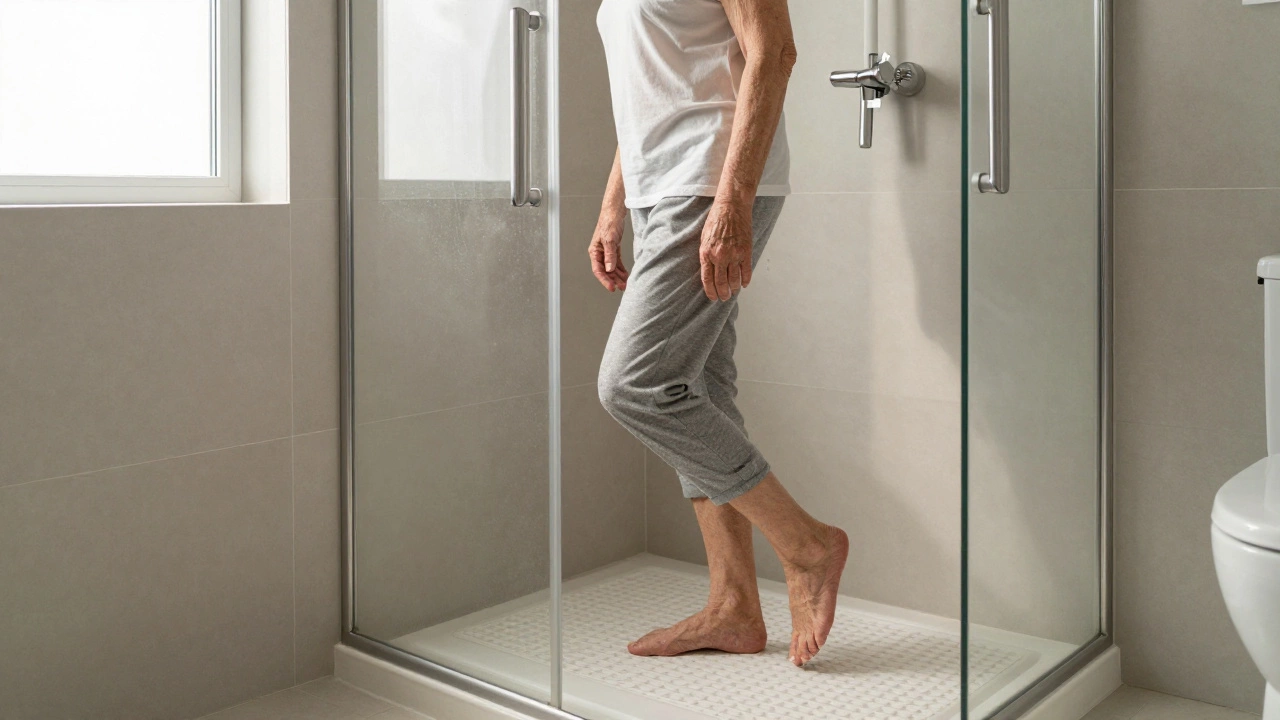
Will Medicare Pay for a Walk-In Shower? Here's What You Need to Know
Medicare won't pay for a walk-in shower directly, but you might get help through Medicaid, VA benefits, or Medicare Advantage plans. Learn how to qualify and find funding for safer bathroom upgrades.