Rug Fiber Dangers: What You Need to Know Before You Buy
When you buy a rug, you’re not just picking a floor covering—you’re bringing rug fiber dangers, the hidden health risks tied to certain synthetic materials used in rugs. Also known as toxic rug off-gassing, these dangers come from chemicals like formaldehyde, phthalates, and volatile organic compounds (VOCs) that leak into your air over time. Most people assume rugs are harmless, but cheap ones made with synthetic fibers—especially polypropylene, nylon, and polyester—can be major sources of indoor pollution. You won’t smell it, you won’t see it, but your lungs and skin might react.
Synthetic rug fibers, man-made materials designed for durability and low cost. Also known as petrochemical rugs, they’re common in discount stores and online marketplaces because they’re cheap to produce. But here’s the catch: they’re often treated with stain repellents, flame retardants, and backing adhesives that break down slowly. Studies from the EPA and indoor air quality labs show these chemicals can trigger headaches, respiratory irritation, and even long-term hormone disruption in kids and pets. If you’ve noticed unexplained coughing, itchy eyes, or rashes after installing a new rug, it might not be dust—it’s the fibers.
Indoor air quality, how clean the air inside your home is, measured by pollutant levels. Also known as home air health, it’s directly affected by what’s on your floor. Rugs sit right where air circulates—underfoot, near vents, around beds. A wool or cotton rug made without chemical treatments won’t pollute your space. But a synthetic rug? It can turn your living room into a slow-release chemical chamber. Even if it looks clean, the off-gassing can last months. And if you have asthma, allergies, or a newborn, that’s not just a nuisance—it’s a risk.
You don’t need to throw out your rug. But you do need to know what you’re living with. Look for certifications like GreenGuard or OEKO-TEX—they test for harmful substances. Avoid rugs labeled "stain-resistant" unless they’re plant-based. Skip the ones with strong chemical smells when you open the box. And if you’re replacing an old rug, don’t just swap it for another cheap one. The safest option isn’t always the most expensive—it’s the one that doesn’t poison your air.
Below, you’ll find real-world guides that break down what materials are safe, which rugs are hiding toxins, and how to choose floor coverings that protect your health without costing a fortune. No fluff. Just facts you can use.
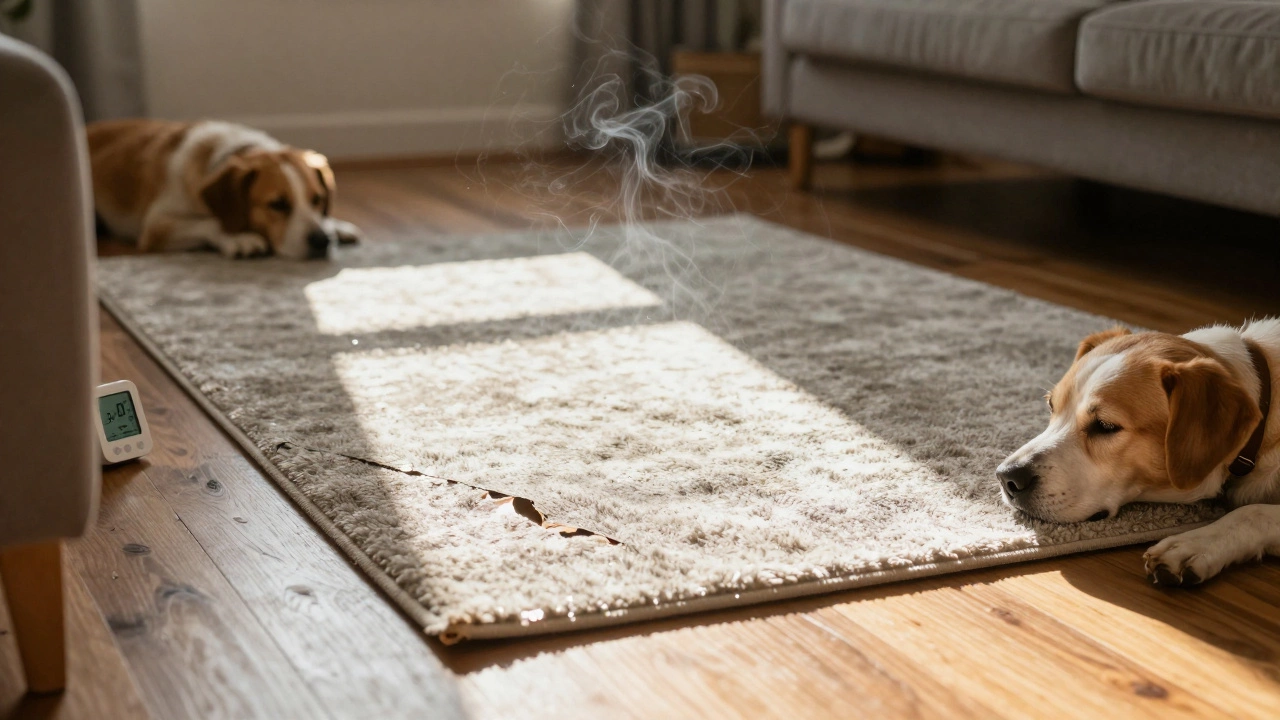
What Rug Material Should I Avoid? Top 5 Risky Fibers to Skip
Avoid these 5 risky rug materials that can harm your health, damage floors, or fall apart fast. Learn what to skip and what to buy instead for safer, longer-lasting rugs.