Rugs to Avoid: What Makes a Rug a Bad Buy
When you buy a rug, a floor covering meant to add comfort, style, or warmth to a room. Also known as carpet, it should last years—not months. But too many people end up with rugs that shed like a dog, slip around, or smell like chemicals after just a few weeks. The problem isn’t price—it’s what’s inside. A cheap rug might look fine in the store, but if it’s made from synthetic fibers like polypropylene or polyester glued onto a flimsy backing, it’s already on its way out.
What makes a rug worth avoiding? First, polypropylene, a plastic fiber often used in budget rugs because it’s cheap to make and resists stains. It looks okay at first, but it flattens fast under foot traffic, doesn’t hold up to pets or kids, and can’t be cleaned properly without falling apart. Then there’s machine-made rugs, mass-produced floor coverings with loose threads and weak construction. These often use glue instead of knots to hold fibers in place, meaning they unravel after a year or two. And don’t ignore the smell. If a new rug gives off a strong chemical odor, it’s likely treated with formaldehyde or other toxins that won’t just air out—they’ll stick around in your home.
High-traffic areas like hallways, kitchens, or living rooms need rugs that can handle constant use. Avoid anything labeled "area rug" if it’s under $100 and doesn’t say what it’s made of. Real durability comes from wool, nylon, or hand-knotted construction. These materials breathe, resist wear, and clean well. A rug that’s built to last doesn’t need to be expensive—it just needs to be made right. The ones you should skip? The ones that promise style without substance. The ones that look good in a photo but fall apart in real life. Below, you’ll find real-world breakdowns of what makes certain rugs fail, what to look for instead, and how to spot a bad buy before you pay for it.
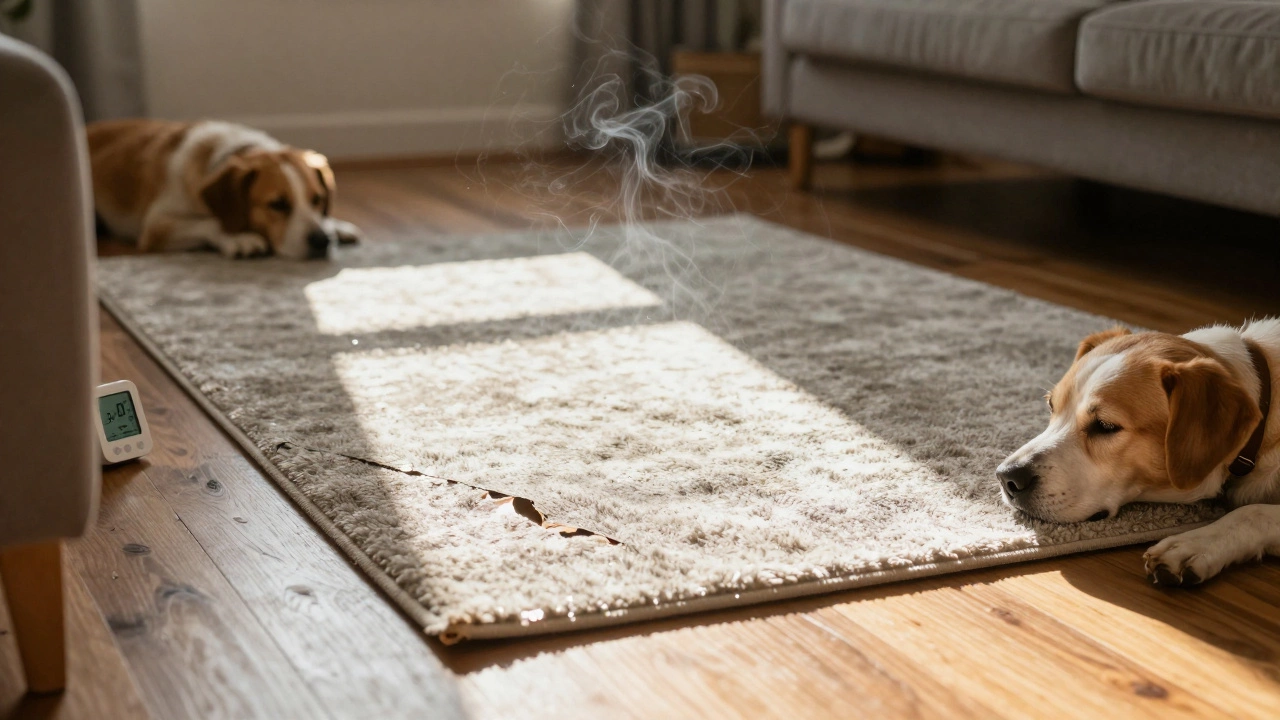
What Rug Material Should I Avoid? Top 5 Risky Fibers to Skip
Avoid these 5 risky rug materials that can harm your health, damage floors, or fall apart fast. Learn what to skip and what to buy instead for safer, longer-lasting rugs.