Senior Home Accessibility: Practical Solutions for Safe, Independent Living
When we talk about senior home accessibility, the design and adjustments made to a home so older adults can live safely and independently. Also known as aging in place, it’s not about fancy renovations—it’s about removing everyday barriers that make walking, bending, or reaching risky. Many people assume it means installing ramps or elevators, but the truth is, most life-changing fixes are small, affordable, and already in use by millions of families across the UK.
Think about what happens when someone can’t easily get out of the bathtub, or trips over a rug near the kitchen, or struggles to turn on a light switch because it’s too high. These aren’t just inconveniences—they’re fall risks. home modifications for seniors, practical changes that reduce physical strain and prevent accidents cover everything from non-slip flooring to lever-style door handles. You don’t need a full remodel. Often, it’s as simple as adding grab bars in the bathroom, replacing carpet with firm, low-pile flooring, or putting in motion-sensor lights in hallways. These aren’t luxury upgrades. They’re basic safety tools, like seatbelts for your home.
And it’s not just about mobility. mobility aids, tools like walkers, shower chairs, and raised toilet seats that help seniors move with confidence work best when the space around them is designed to support them. A walker needs wide doorways. A shower chair needs a flat, stable floor. A bedside commode needs clearance on three sides. If the home doesn’t allow for these tools to be used properly, even the best aid won’t help. That’s why accessibility isn’t just about buying equipment—it’s about shaping the environment so the equipment can do its job.
What you’ll find in the posts below aren’t theoretical ideas or overpriced gadgets. These are real, tested solutions—things people are actually using right now in UK homes. From how to pick the right rug to avoid slips, to why a closetless bedroom might be smarter for someone with limited mobility, to what storage tricks actually reduce clutter and strain—each post cuts through the noise. You won’t find fluff about luxury bathrooms or designer handrails. You’ll find honest, practical advice from real households making daily life easier, safer, and calmer for older loved ones.
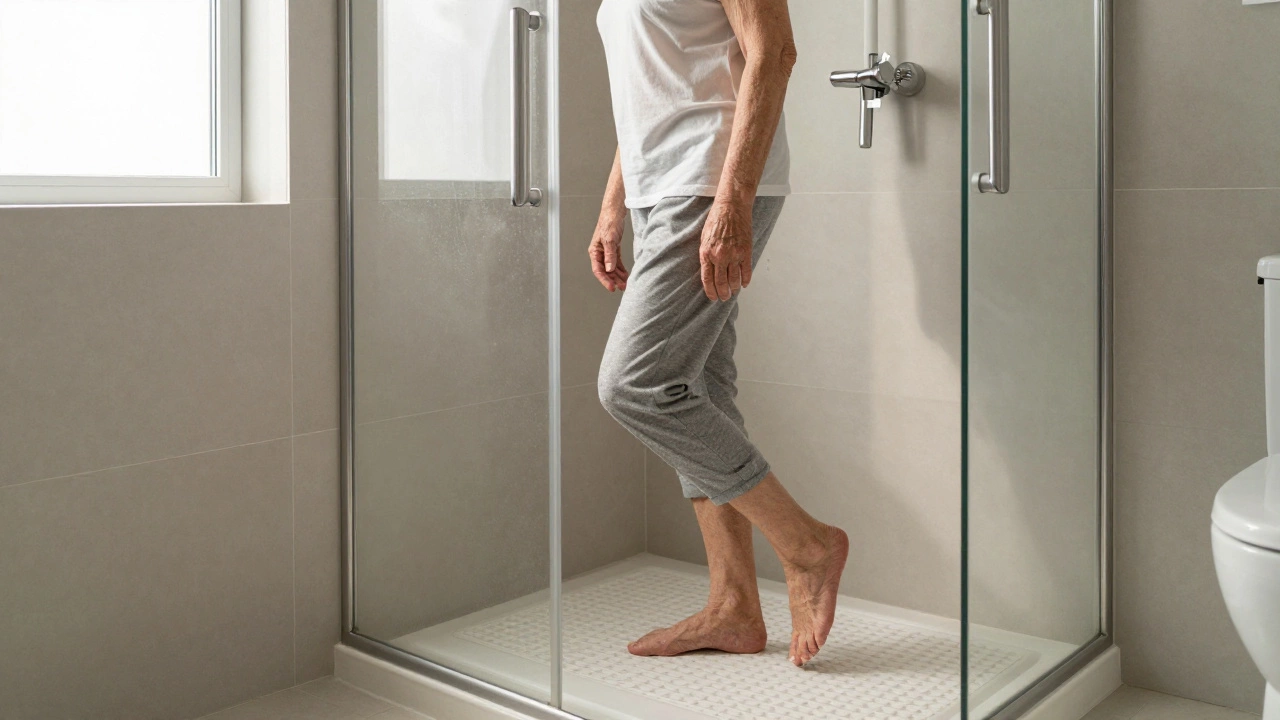
Will Medicare Pay for a Walk-In Shower? Here's What You Need to Know
Medicare won't pay for a walk-in shower directly, but you might get help through Medicaid, VA benefits, or Medicare Advantage plans. Learn how to qualify and find funding for safer bathroom upgrades.