Synthetic Rug Problems: Why Cheap Fibers Fail and What to Choose Instead
When you buy a synthetic rug, a floor covering made from man-made fibers like polyester, nylon, or polypropylene. Also known as plastic rugs, they’re often chosen for their low price and easy cleaning—but they come with hidden flaws that show up fast. Many people don’t realize that synthetic rugs aren’t just less durable—they actively make your home less comfortable over time.
The biggest synthetic rug problems start with material quality. Cheap polyester rugs shed fibers, attract static, and flatten under foot traffic within months. Nylon might feel soft at first, but it holds onto odors and stains from pet accidents or spills. Polypropylene resists moisture but becomes brittle in sunlight, cracking and fading after just one summer by the window. These aren’t rare issues—they’re standard for budget rugs. Real homeowners who’ve lived with them report headaches: kids tracking in dirt that won’t wash out, pets scratching through thin fibers, and allergens trapped deep in the pile that vacuuming can’t reach.
What makes it worse is how these rugs interact with your home environment. Synthetic fibers don’t breathe like wool or cotton. They trap heat, making rooms feel stuffy. They don’t absorb sound, so your space echoes. And because they’re made from oil-based plastics, they off-gas chemicals when new—something you can’t see but might feel as headaches or irritated eyes. You’re not just buying a rug. You’re buying a long-term source of indoor air quality issues.
People who switch from synthetic rugs often go for natural fibers—not because they’re trendy, but because they last. Wool rugs bounce back after heavy use. Jute and sisal don’t hold onto dust or smells. Even high-grade cotton blends outperform polyester in real homes. The upfront cost is higher, but you’re not replacing it every two years. And if you’ve got kids, pets, or allergies, the difference isn’t just about looks—it’s about health.
Below, you’ll find real-world tests and experiences from people who’ve dealt with synthetic rug problems firsthand. You’ll see what actually holds up in busy households, what gets thrown out after a year, and what alternatives people wish they’d chosen from the start.
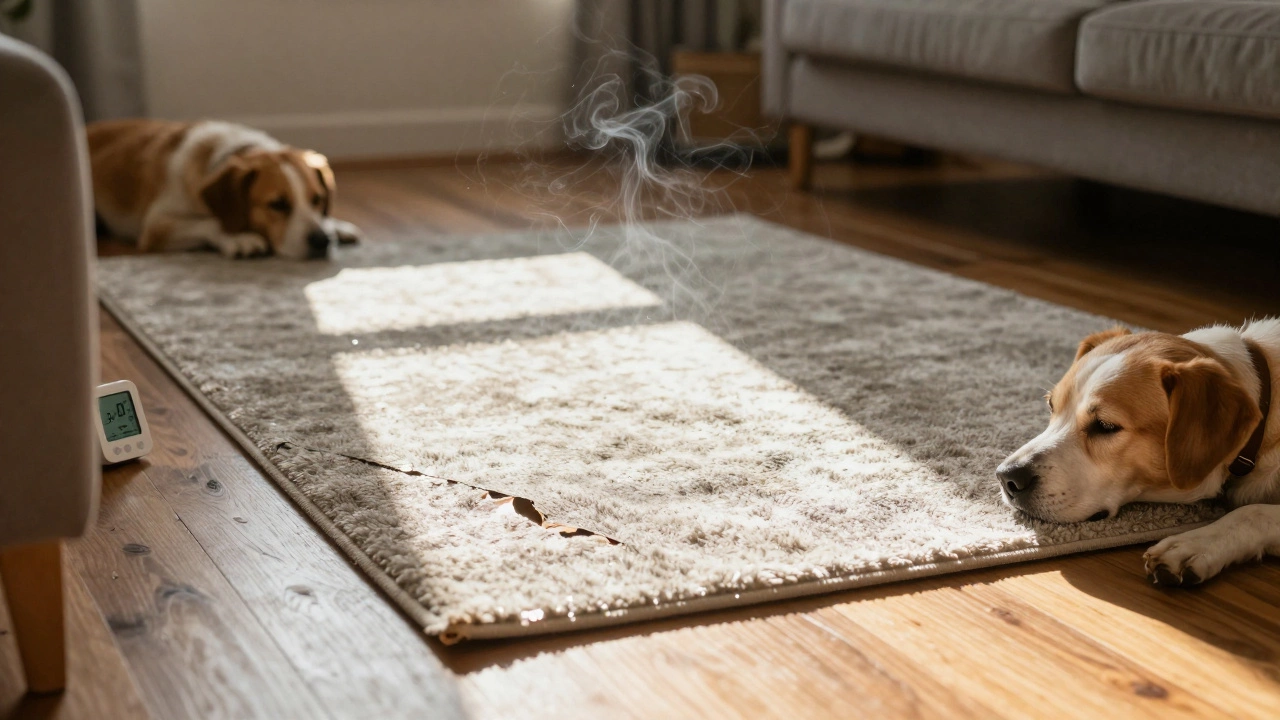
What Rug Material Should I Avoid? Top 5 Risky Fibers to Skip
Avoid these 5 risky rug materials that can harm your health, damage floors, or fall apart fast. Learn what to skip and what to buy instead for safer, longer-lasting rugs.