Window Privacy Solution Selector
Find Your Perfect Privacy Solution
Answer these 4 questions to get personalized recommendations based on the article's privacy solutions.
Your Personalized Solution
Why this solution works for you:
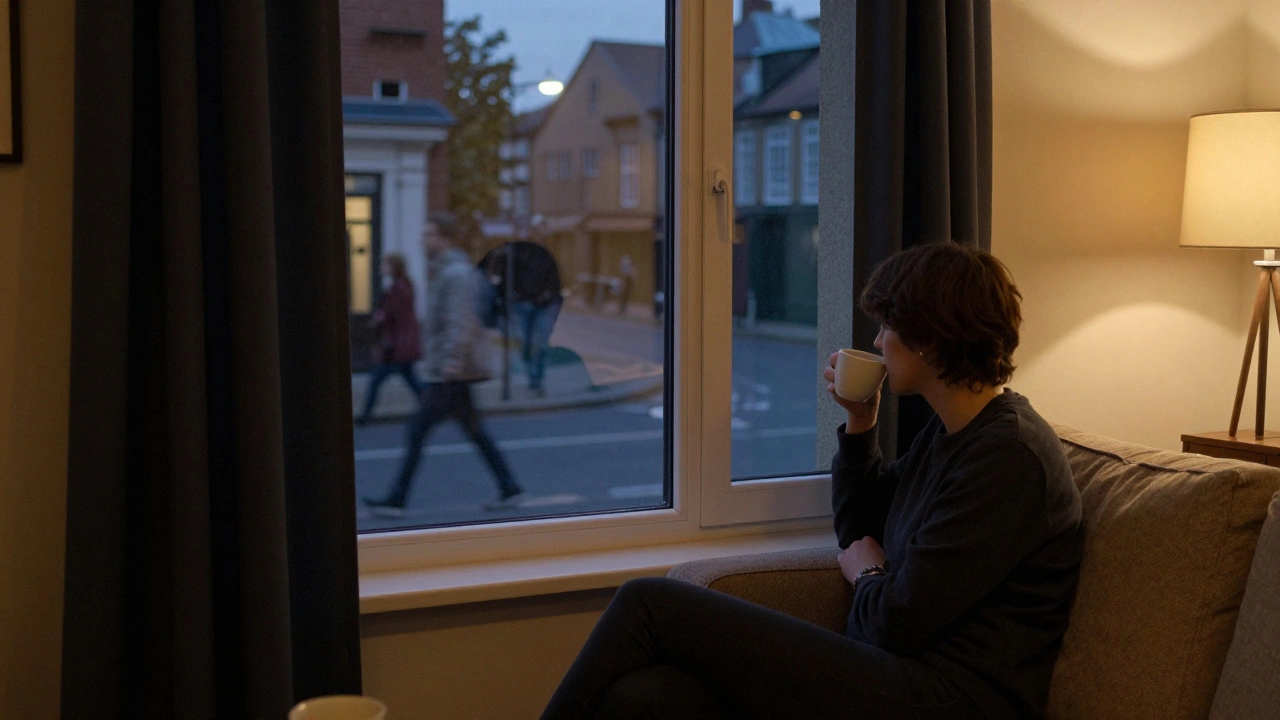
Ever sit on your couch at night, sipping coffee, and realize someone outside could be staring right into your living room? It’s not paranoia-it’s reality. Most windows, even with regular curtains, let in light and sight from both sides. But what if you could see out clearly while keeping your space completely private? You’re not alone in wanting this. Millions of people face the same problem: balancing natural light with personal privacy. The good news? There are simple, affordable, and effective solutions that actually work.
One-Way Window Film Is the Smartest Upgrade
One-way window film is the most reliable solution for seeing out without being seen. It works because of light difference. During the day, when it’s brighter outside than inside, the film acts like a mirror from the outside. People see their own reflection, not your room. But from your side, you still see clearly outside. At night, when lights are on inside and it’s dark outside, the effect reverses. That’s why it’s critical to pair this film with blackout curtains or blinds after sunset.
Not all window films are the same. Look for films labeled as "daytime privacy" or "one-way vision." Brands like 3M, Gila, and LLumar make films that block 99% of UV rays and reduce glare. Installation is DIY-friendly-you just spray water on the glass, stick the film, and squeegee out bubbles. A 5-foot by 8-foot roll costs around $40 and covers a standard window. No tools needed beyond a spray bottle and a credit card to smooth it out.
Privacy Curtains That Actually Work
Not all curtains are created equal. Lightweight sheers or thin cotton drapes won’t cut it. You need something dense, tightly woven, and preferably lined. Look for curtains labeled "blackout" or "privacy-grade." These are made with multiple layers, often including a foam or vinyl backing that blocks light and sight.
Blackout curtains don’t just hide what’s inside-they also reduce noise and help with temperature control. In winter, they keep heat in. In summer, they block up to 90% of solar heat. Brands like NICETOWN, Deconovo, and Eclipse offer blackout curtains in colors from charcoal to ivory. They hang from standard rods and come in sizes for windows up to 12 feet wide. For best results, install them so they overlap the window frame by at least 6 inches on each side. That stops light and sight from leaking around the edges.
Reflective Window Tint: The Low-Cost Secret
Reflective window tint is similar to one-way film but often thinner and cheaper. It’s commonly used on cars and commercial buildings, but it works just as well on home windows. The metallic coating reflects light, making the glass look like a mirror from the outside during daylight. Unlike film, some tints are spray-on, which makes them easy to remove if you rent.
But here’s the catch: reflective tint doesn’t work well on tinted or double-pane windows. It can also interfere with GPS or cell signals if applied too thickly. Stick to low-reflectivity versions designed for homes. These are labeled "privacy tint" and have a subtle silver sheen instead of a mirror finish. They’re ideal for bathrooms, ground-floor rooms, or apartments facing busy streets.
Layering Is the Key to 24/7 Privacy
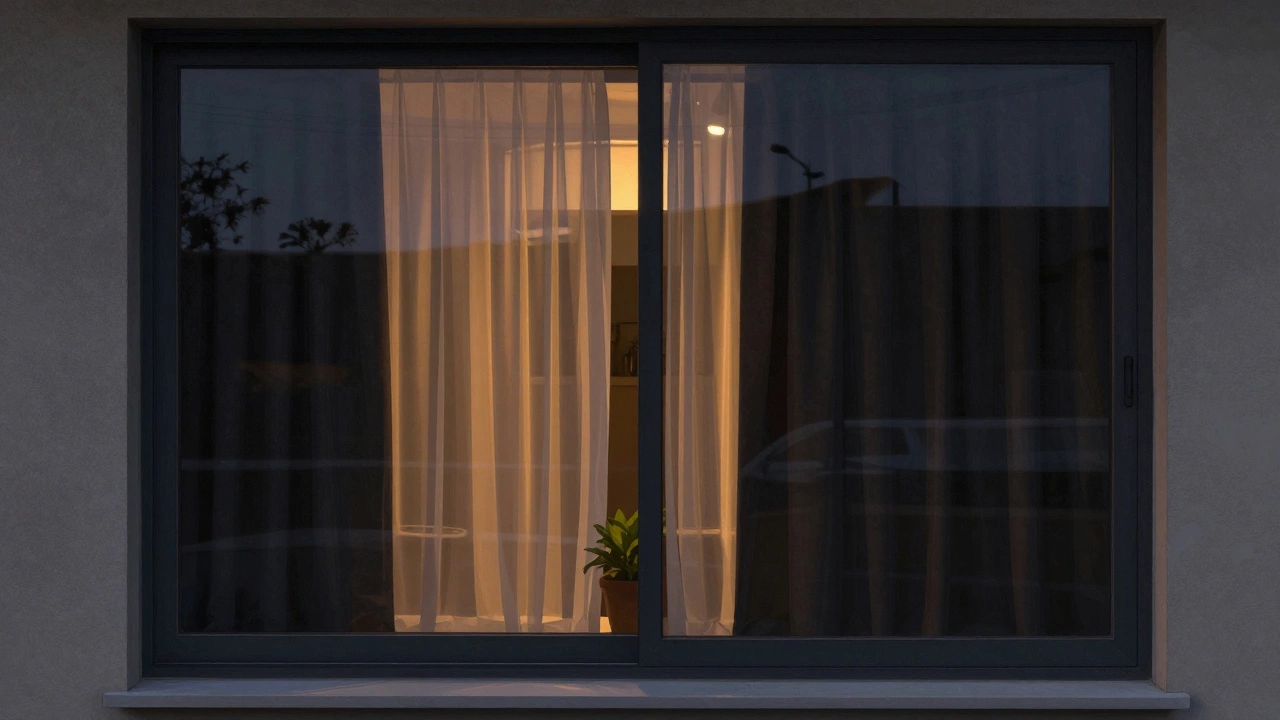
Trying to rely on just one solution? You’ll be disappointed. One-way film works great during the day but fails at night. Blackout curtains block everything but make your room feel like a cave. The best approach is layering. Use one-way film on the glass for daytime privacy, then add blackout curtains you can close after dark.
This combo gives you: daylight views, no glare, UV protection, and complete nighttime privacy. It’s the same method used in luxury hotels and high-end homes. You don’t need to replace your existing curtains. Just hang the blackout ones behind your current drapes. Use a double curtain rod to keep both layers in place without cluttering the window.
What Doesn’t Work (And Why)
Let’s clear up some myths. Frosted glass? It blurs the view-you can’t see out clearly. Stickers or decals? They only cover part of the window and look cheap. Roller shades? Unless they’re blackout, they still let silhouettes show. Even thick velvet curtains won’t stop someone from seeing your outline if the room is lit.
And don’t trust "privacy glass" sold online. Most of it’s just tinted plastic or cheap film that fades in six months. Real privacy glass is laminated or coated during manufacturing and costs hundreds per pane. Not practical for renters or budget-conscious homeowners.
Quick Checklist: Your Privacy Game Plan
- Daytime: Apply one-way window film to all windows you want to see out of.
- Nighttime: Pull blackout curtains closed when lights are on inside.
- Material: Choose polyester or cotton with a thermal backing-no thin fabrics.
- Installation: Extend curtains beyond the window frame to block light leaks.
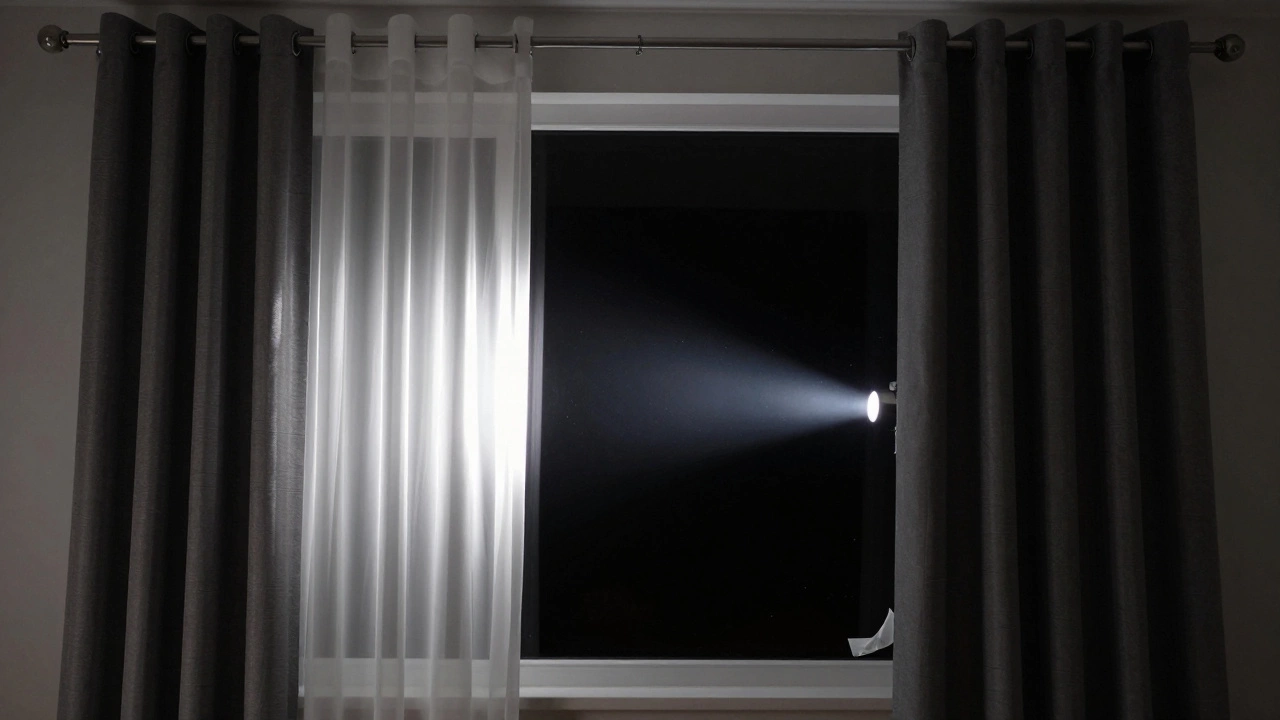
- Testing: Stand outside at night with a flashlight. If you can see into the room, the curtain isn’t thick enough.
When to Call a Pro
You can install window film and curtains yourself. But if you have tall windows, curved glass, or a historic home with lead paint, hire a professional. Window film installers charge $5-$15 per square foot. They’ll clean the glass properly, avoid bubbles, and handle tricky edges. For renters, always check your lease. Most landlords allow removable window film and curtain rods, but not permanent tints or drilling.
Final Tip: Test Before You Buy
Before spending money on a full set of curtains or film, test a small sample. Buy a 2x2-foot piece of one-way film or a curtain swatch. Tape it to your window. Wait until dusk. Turn on a lamp. Go outside and see if you can see inside. If you can’t, you’ve found your solution. If you can, keep looking. Privacy isn’t a guess-it’s a test.
Can I use one-way window film on all types of windows?
One-way window film works on most flat, clean glass surfaces, including single-pane and double-pane windows. It doesn’t work well on textured, frosted, or heavily tinted glass. Avoid applying it to windows with existing coatings, like low-E glass, unless the manufacturer says it’s safe. Always clean the glass with ammonia-free cleaner before installation.
Do blackout curtains block all light?
High-quality blackout curtains block up to 99% of incoming light. But no curtain is 100% perfect. Light can leak around the edges if the curtains don’t fully cover the window frame. For total darkness, use side channels or magnetic strips to seal gaps. Also, make sure the curtain liner is thick and not just a thin coating.
Is one-way window film safe for kids and pets?
Yes. Most reputable window films are made with non-toxic, BPA-free materials and are safe for homes with children and pets. They don’t emit fumes after installation and won’t chip or flake. Just make sure to avoid films with sharp edges during installation. Keep pets away from the window until the film is fully dry and bonded.
Will window film damage my windows?
No, when installed correctly, window film won’t damage your windows. It’s designed to be removable. Some low-quality films can leave adhesive residue if left on for years, but most modern films use water-based adhesives that peel off cleanly. Always follow the manufacturer’s removal instructions. If you’re renting, this is a big plus-no permanent changes needed.
Can I use privacy curtains in a bathroom?
Yes, but choose moisture-resistant materials. Look for blackout curtains labeled as "bathroom-safe" or made from polyester or vinyl blends. Avoid cotton or linen-they’ll mildew over time. Hang them on a tension rod or track that won’t rust. Pair with frosted glass or window film on the lower half for extra privacy while still letting in light.