British Toilet Paper Terms Quiz
Ask a Brit what they call toilet paper, and you might get a smirk-or a straight answer like "loo roll." It’s not just about the product. It’s about culture, slang, and the quiet humor baked into everyday British life. If you’ve ever walked into a UK bathroom and wondered why the roll on the holder looked like it belonged in a 1970s sitcom, you’re not alone. The truth? Brits don’t say "toilet paper" much at all. Not in casual conversation, anyway.
It’s Not Toilet Paper-It’s Loo Roll
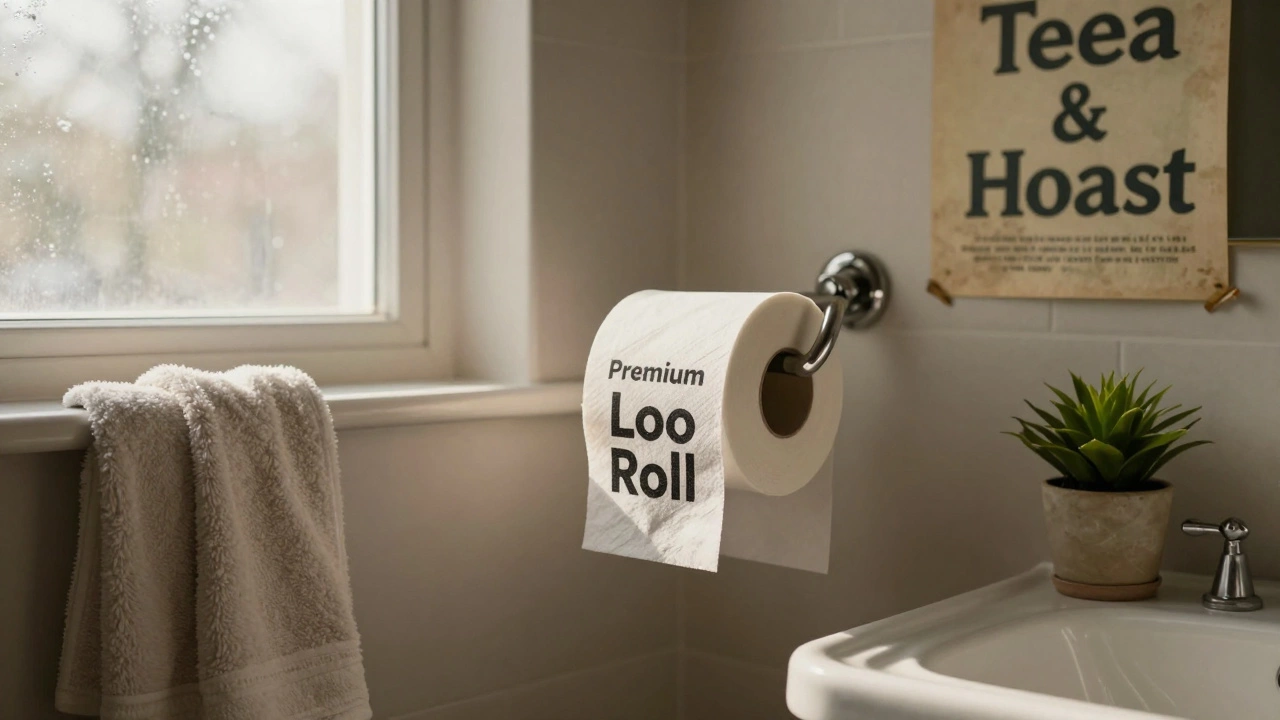
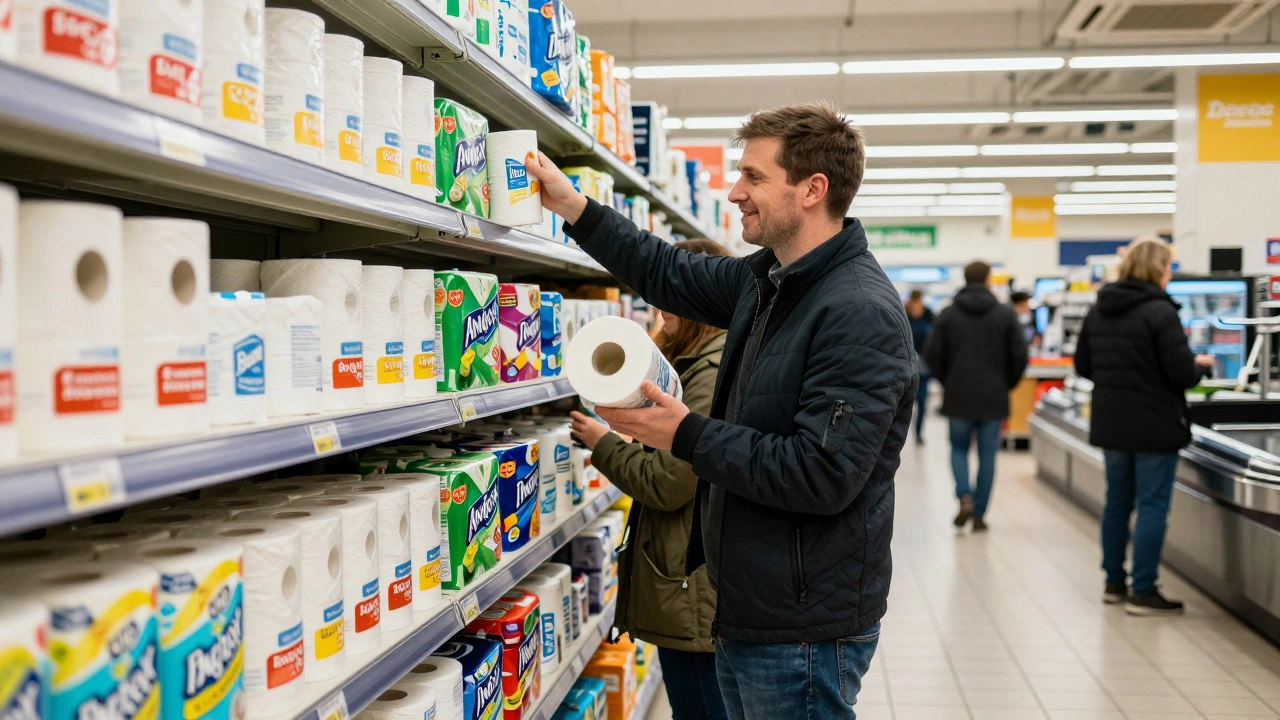
The most common term across the UK is "loo roll." "Loo" is British slang for toilet, dating back to the early 1900s, possibly from the French phrase "lieu" (place) or as a euphemism for "water closet." So "loo roll" literally means the paper you use in the loo. It’s the go-to word in supermarkets, households, and even in ads. Walk into any Tesco or Sainsbury’s, and you’ll see it on the shelf: "Premium Loo Roll, 3-Ply, 320 Sheets."
It’s not just casual-it’s official. Brands like Andrex and Breeze market their products as "loo roll" on packaging. Even the BBC uses it in news reports. If you’re buying it in the UK, "loo roll" is the phrase you’ll hear, read, and use.
Bog Roll: The Slightly Rougher Alternative
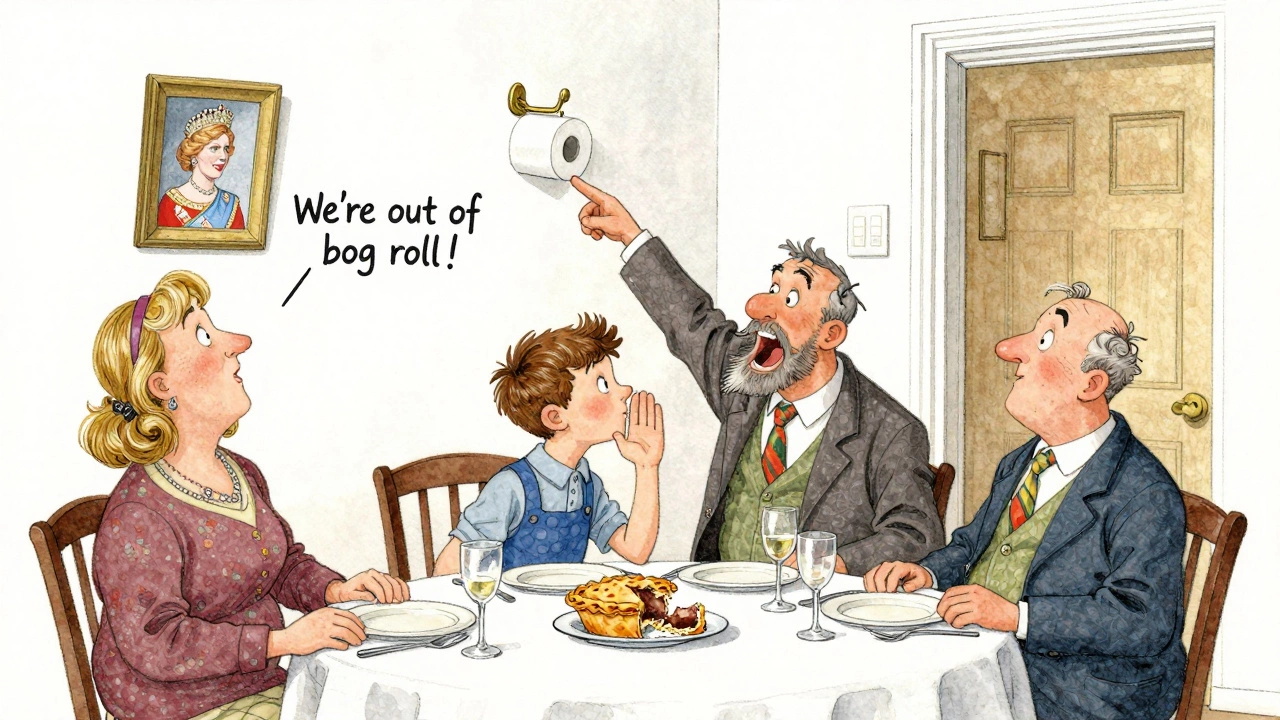
Another popular term is "bog roll." "Bog" is a more informal, slightly cheeky word for toilet-think of it as the British cousin of "john" or "the can." "Bog roll" carries a bit more grit. It’s the term you’d hear from builders, students, or people talking about cheap, scratchy paper. If someone says, "We’re out of bog roll," they’re not being fancy. They’re just being real.
There’s a subtle difference in tone. "Loo roll" sounds like a household staple. "Bog roll" sounds like the last roll in the bathroom, the one that’s almost gone and feels like sandpaper. Both are correct. But if you want to sound like a local, "loo roll" is safer. Save "bog roll" for when you’re laughing with mates about the toilet paper crisis last Tuesday.
Why Don’t Brits Say "Toilet Paper"?
It’s not that "toilet paper" is wrong-it’s just too clinical. Brits tend to avoid direct, technical terms for bodily functions. "Toilet paper" sounds like a product label, not something you’d say out loud. It’s like saying "urinal" instead of "the loo." The language is softer, more euphemistic. You don’t say "I need to use the toilet." You say, "I’m just popping to the loo." Same energy.
This isn’t unique to toilet paper. Brits say "bathroom" for the room with the sink and mirror, but rarely for the room with the toilet. That’s the "loo." Or the "bog." Or sometimes, "the little boys’ room." The language avoids bluntness. It’s polite, even when it’s messy.
Regional Variations Across the UK
While "loo roll" is the national standard, there are pockets of variation. In Scotland, you might hear "bog roll" more often, especially in Glasgow and Edinburgh. In Northern Ireland, "toilet paper" is used more frequently than in England, but still less than "loo roll." In Wales, it’s mostly "bog roll" or "loo roll," depending on how urban or rural you are.
There’s also generational difference. Older generations might say "paper" alone. "Hand me the paper," they’ll say, pointing to the roll. Younger people? They say "loo roll" because that’s what they’ve always heard. Kids in school don’t learn "toilet paper" in English class-they learn "loo roll" from their parents.
What About Other Terms?
You might hear "bathroom tissue" in the UK, but only in ads or on high-end packaging. It sounds American. And it’s not wrong-it’s just not natural. Same with "TP"-you’ll see it on toilet paper cores or in quick notes, but no one says, "I’m going to get some TP" out loud. It’s too clipped. Too American. Too corporate.
"Restroom paper"? That’s a myth. No one in the UK says that. "Restroom" itself is rarely used. It’s "bathroom" for the sink area, "loo" for the toilet. Mixing them doesn’t work.
How It Compares to Other Countries
In the US, "toilet paper" is the default. No slang, no alternatives. It’s practical. Direct. In Australia, it’s "bog roll" too-thanks to shared British roots. Canada uses "toilet paper," but "bathroom tissue" is also common. New Zealand? Same as Australia. "Bog roll" is king.
But in the UK, the word has stuck because it’s part of a larger pattern. The British don’t just name things differently-they name them with character. "Loo roll" isn’t just a product. It’s a cultural marker. It’s the sound of a pub quiz, a Sunday roast, a queue at the post office. It’s the quiet, unspoken rhythm of everyday life.
What to Say If You’re in the UK
If you’re visiting or moving to the UK, here’s the simple rule: use "loo roll." It’s safe, understood everywhere, and won’t make you sound like a tourist. Say it with a smile, and you’ll blend in. If you hear someone say "bog roll," don’t correct them. They’re not being rude-they’re being British.
And if you’re shopping online? Type "loo roll" into Amazon UK. You’ll get 12,000 results. Type "toilet paper"? You’ll get the same products-but the titles will say "loo roll" anyway. The market has spoken.
Why This Matters Beyond Words
Language isn’t just about communication. It’s about belonging. When you say "loo roll," you’re not just asking for paper. You’re showing you get the culture. You understand that in Britain, even the most basic things have a story. The loo roll isn’t just about hygiene-it’s about history, humor, and how a nation talks about the things it doesn’t like to talk about.
Next time you’re in a UK bathroom, take a second look at the roll. It’s not just tissue. It’s a tiny piece of British identity-wrapped in cardboard, sold in packs of six, and used by millions every day without a second thought.
What do Brits call toilet paper?
Most Brits call it "loo roll." It’s the standard term used in homes, shops, and ads across the UK. "Bog roll" is also common, especially in informal settings or when referring to cheaper brands. "Toilet paper" is understood but rarely used in everyday speech.
Is "bog roll" offensive?
No, "bog roll" isn’t offensive-it’s just informal. "Bog" is a slang word for toilet, and "bog roll" is the natural extension. It’s often used jokingly or when talking about low-quality paper, but it’s widely accepted. You’ll hear it from all ages, especially in the north of England and Scotland.
Do Brits say "bathroom" for the toilet?
Not usually. In the UK, "bathroom" typically means the room with the sink and bathtub or shower. The room with the toilet is called the "loo," "toilet," or sometimes "the bog." Saying "I’m going to the bathroom" might make you sound American.
Why do Brits use "loo" instead of "toilet"?
"Loo" is a euphemism that softens the directness of "toilet." It’s part of a broader British tendency to avoid blunt language about bodily functions. "Loo" has been in use since the early 20th century and feels more polite and casual. It’s also shorter and rolls off the tongue easier.
Can I buy "toilet paper" in the UK?
Yes, you can-but you’ll find it labeled as "loo roll" on the shelf. Online retailers and supermarkets list products under "loo roll" as the main keyword. If you search for "toilet paper," you’ll still get results, but the product titles will often say "loo roll" anyway. It’s the local term that drives sales.