Bedding Size Calculator
Calculate the correct bedding size for your mattress. The tool uses standard dimensions used in New Zealand, US, and Europe.
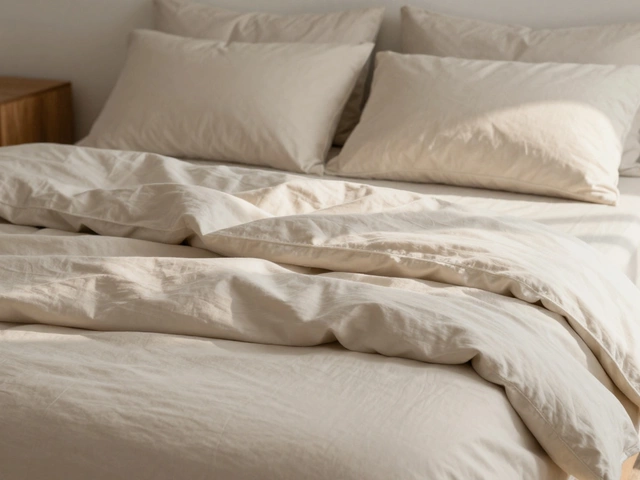
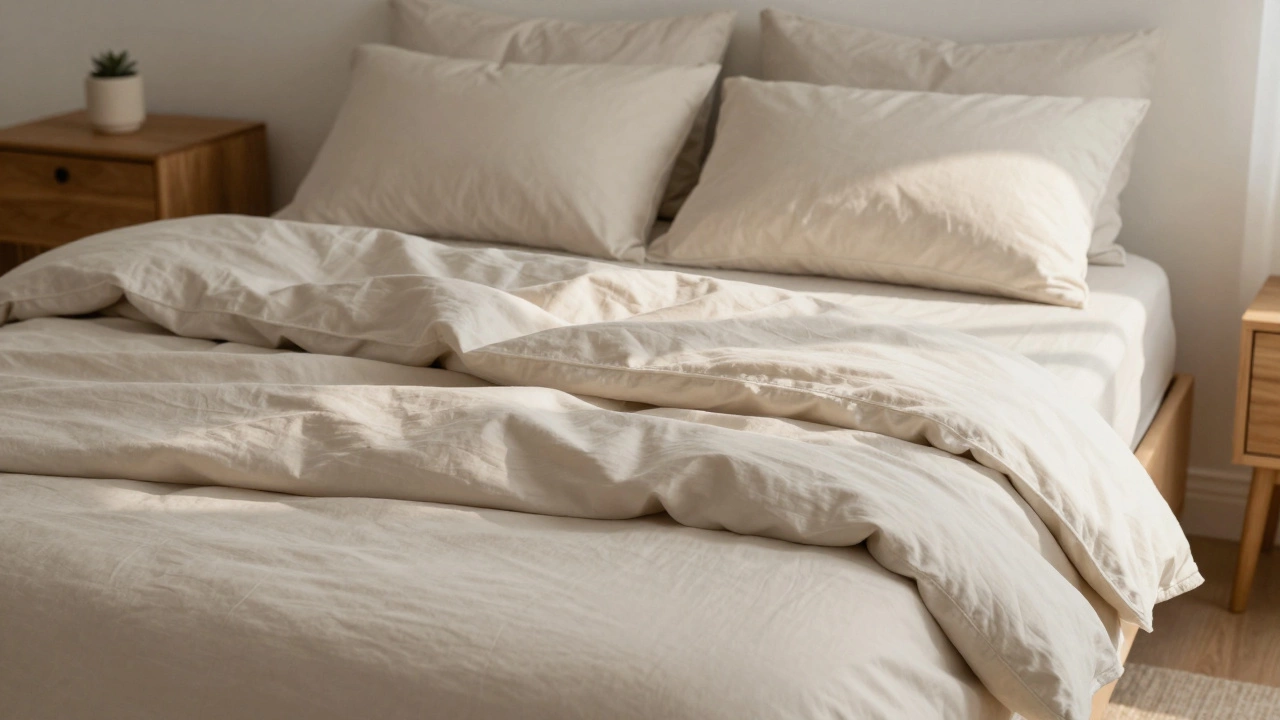
Bedding is everything you put on your bed to make it comfortable and ready for sleep. That includes sheets, pillowcases, blankets, duvets, and sometimes even mattress pads or toppers. It’s not just the stuff you sleep under-it’s the whole system that turns a bare mattress into a cozy, inviting space.
Bedding Isn’t Just Sheets
Many people think bedding means just sheets and pillowcases. But that’s only part of it. In homes across New Zealand, the US, and Europe, bedding includes layers that work together: the bottom sheet that fits snugly over the mattress, the top sheet that lies between you and the blanket, pillowcases that protect your pillows, and then the outer layer-whether it’s a quilt, a comforter, or a duvet. Some people add a bedspread or coverlet on top for looks, and others use a mattress protector to keep things clean.
Think of bedding like a sandwich. The mattress is the bottom slice, the sheets are the middle, and the blanket or duvet is the top. Each layer has a job. Sheets keep things clean and smooth. Blankets trap warmth. Pillowcases stop oils and sweat from soaking into your pillows. Together, they make sleep better and last longer.
Why Bedding Matters
Good bedding isn’t just about comfort-it affects how well you sleep. A study from the Sleep Foundation found that people who change their sheets weekly report better sleep quality than those who go weeks without washing them. Dust mites, sweat, dead skin cells, and oils build up fast. If your bedding is old, stiff, or stained, your body notices. You might toss and turn more, wake up itchy, or feel hotter than usual.
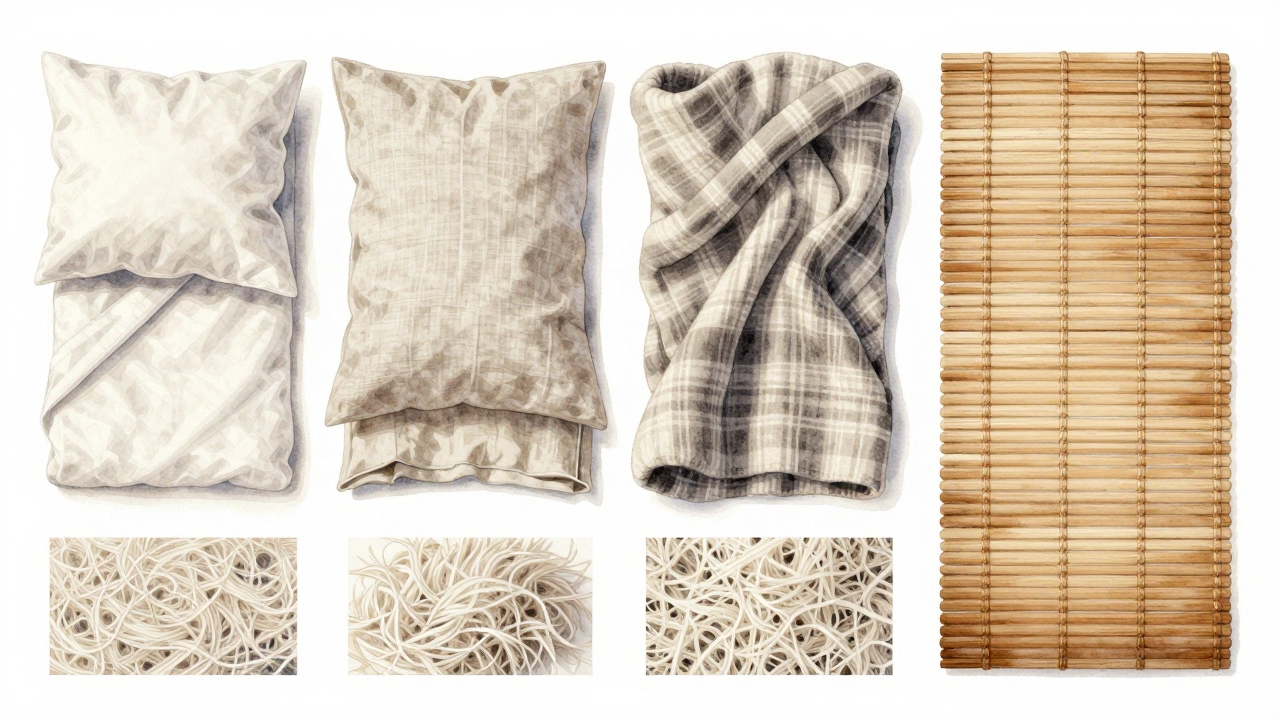
Material matters too. Cotton is the most common because it breathes well and feels soft after a few washes. Linen is cooler and great for hot climates like Auckland summers. Flannel is warm and fuzzy, perfect for winter. Synthetic blends might be cheaper, but they can trap heat and feel clammy. The right bedding matches your climate, your body, and your sleep habits.
What’s Not Bedding?
Not everything on or near your bed counts as bedding. Pillows themselves aren’t bedding-they’re separate items. Bed frames, headboards, and footboards are furniture. Rugs under the bed? That’s floor decor. Throw pillows on the bed? Those are decorative accents, not functional bedding.
Some people confuse bedding with bedroom decor. A fancy canopy or string lights above the bed? Those add atmosphere but don’t help you sleep. Bedding is functional. It’s what you touch when you climb in. It’s what you pull up when you’re cold. It’s what you wash every week.
How to Build a Simple Bedding Set
You don’t need a fancy setup. A basic, effective bedding system has just four parts:
- Bottom sheet-fitted or flat, it goes directly on the mattress.
- Top sheet-optional but helpful; it keeps your blanket clean and adds a light layer.
- Pillowcases-one for each pillow you use.
- Blanket or duvet-the main warmth layer. Duvets go inside a removable cover; blankets are used as-is.
That’s it. Add a mattress protector if you have kids, pets, or allergies. Skip the bedspread unless you like the look. Keep it simple. The best bedding doesn’t look perfect-it feels perfect.
Bedding Sizes and What They Mean
Bedding comes in standard sizes to match mattress dimensions. In New Zealand and many other countries, the common sizes are:
| Bed Size | Typical Dimensions (cm) | Common Name |
|---|---|---|
| Single | 92 x 188 | Single or Twin |
| Double | 137 x 188 | Full |
| Queen | 152 x 203 | Queen |
| King | 183 x 203 | King |
Always check the label when buying sheets or duvets. A "Queen" sheet in the US might be slightly larger than one in New Zealand. Mismatched sizes lead to bunching, slipping, and frustration. If you’re unsure, measure your mattress before buying.
When to Replace Your Bedding
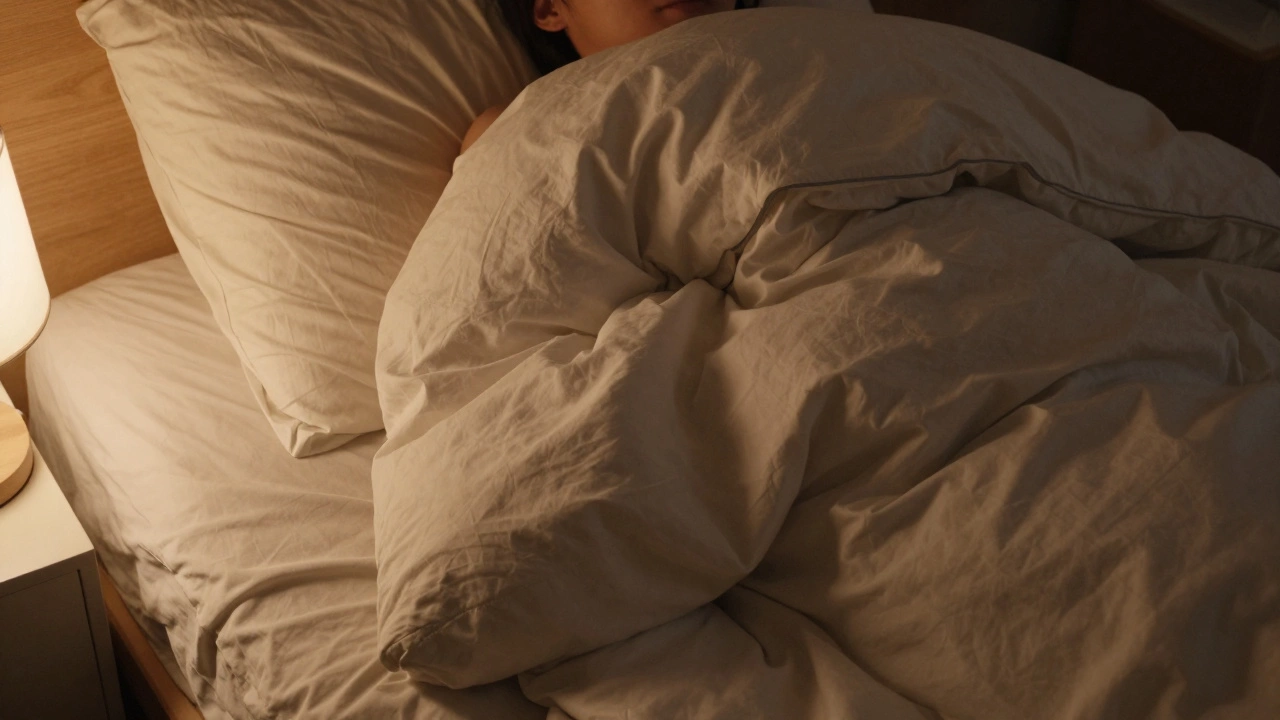
Bedding doesn’t last forever. Even with good care, it wears out. Here’s when to replace each piece:
- Sheets-replace every 2-3 years if washed weekly. Signs: thinning fabric, holes, fading, or rough texture.
- Pillowcases-replace every 1-2 years. They get worn faster because they rub against your face and hair every night.
- Duvet covers-last 3-5 years. If the zipper breaks, the fabric pills, or it no longer fits snugly, it’s time.
- Blankets and duvets-replace every 5-7 years. If they’re lumpy, don’t warm you anymore, or smell musty even after washing, toss them.
Don’t wait until everything falls apart. Replacing bedding regularly keeps your sleep space fresh, hygienic, and comfortable.
Bedding and Health
Dirty or old bedding can trigger allergies, skin irritation, and even poor sleep. Dust mites thrive in warm, humid environments-and your bed is their favorite spot. They feed on dead skin cells. A single used pillow can hold up to 10% of its weight in dust mites and their waste.
Washing bedding in hot water (at least 55°C) kills dust mites. If you have eczema, asthma, or sensitive skin, use hypoallergenic materials like organic cotton or bamboo. Avoid synthetic fabrics that trap moisture. And always air out your bed in the morning-letting the sheets breathe reduces humidity and discourages mold.
Simple Bedding, Better Sleep
At its core, bedding is about function, not fashion. You don’t need 12 pillowcases or a $500 duvet to sleep well. You need clean, well-fitting sheets, a warm layer you can adjust, and pillowcases that don’t itch. The best bedding is invisible-it doesn’t distract you. It just works.
Start with the basics. Wash your sheets every week. Pick natural fibers. Match the size. Replace worn items before they become a problem. That’s all it takes to turn your bed into a place you actually look forward to.
Is a comforter the same as a duvet?
They’re similar but not the same. A duvet is a soft, fluffy insert that goes inside a removable cover. A comforter is a single piece-filled and stitched together, with no cover needed. Duvets are easier to clean because you wash just the cover. Comforters are bulkier to wash and usually need professional cleaning.
Do I need a top sheet?
Not everyone does, but it helps. A top sheet keeps your blanket or duvet cleaner by acting as a barrier between you and it. It also lets you adjust warmth more easily-you can tuck it in or let it hang loose. In warmer climates, many people skip it. In colder ones, it adds a light layer of insulation.
What’s the best fabric for bedding?
It depends on your needs. Cotton is the most popular-it’s breathable, soft, and durable. Linen is cooler and great for hot sleepers but wrinkles easily. Bamboo is smooth and moisture-wicking, good for sensitive skin. Flannel is warm and cozy for winter. Avoid 100% polyester-it traps heat and feels sweaty.
How often should I wash my bedding?
Wash sheets and pillowcases every week. Duvet covers every two weeks. Blankets and duvets every 2-3 months, unless they get dirty or you’re sick. If you sweat a lot, have pets, or sleep with makeup on, wash more often. Dust mites multiply fast in warm, humid environments.
Can I use a blanket instead of a duvet?
Absolutely. Many people prefer blankets because they’re lighter and easier to layer. You can use one wool blanket for warmth, or stack a cotton and a fleece blanket for adjustable comfort. Blankets are also cheaper and easier to wash. The key is choosing the right weight and material for your climate.
If you’re starting fresh, buy one good set of cotton sheets, two pillowcases, and a lightweight duvet or blanket. Wash them before you use them. Keep them clean. Change them weekly. That’s the simple truth about bedding-it’s not complicated. It’s just about making your bed a place where you feel safe, calm, and ready to rest.