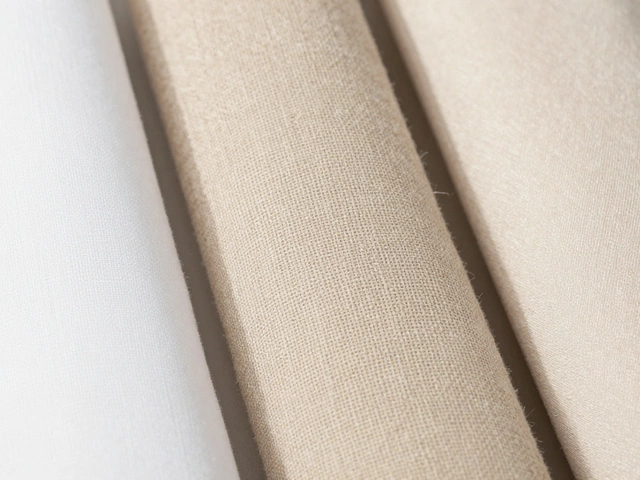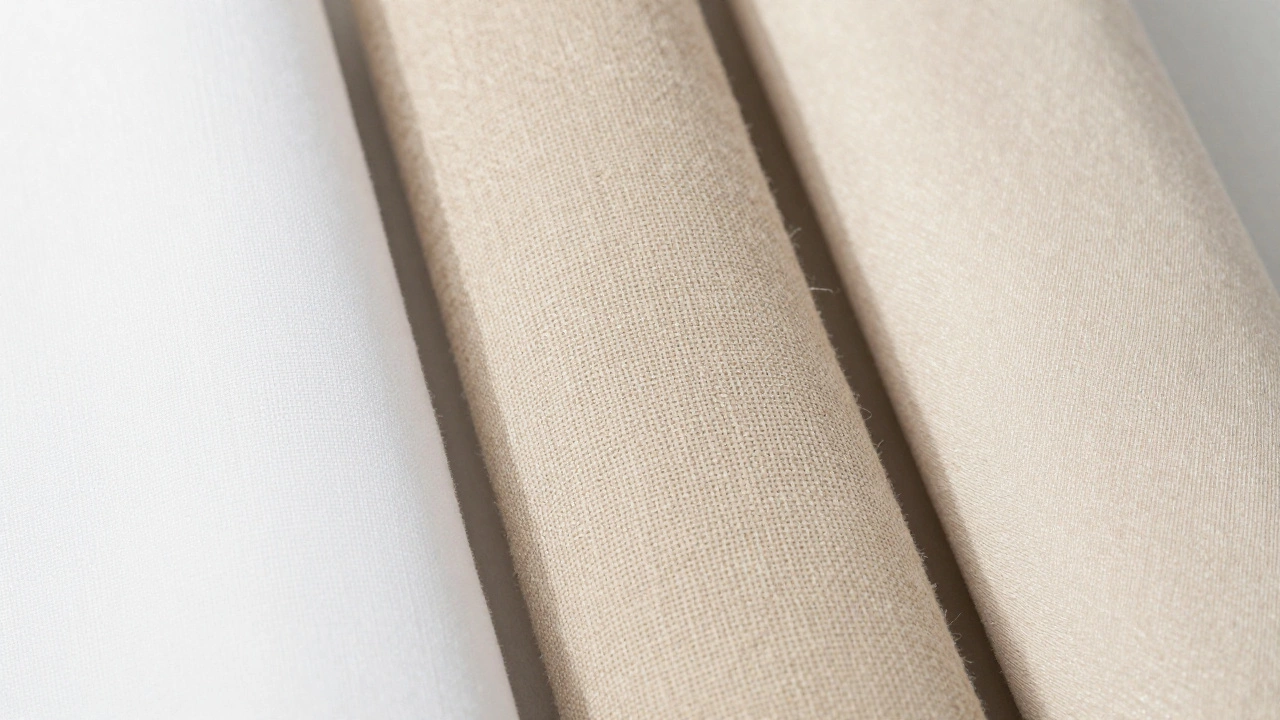
Find Your Perfect Bedding Fabric
Not sure which sheets will keep you comfortable? Answer these three questions to get a personalized recommendation based on your sleep style and needs.
Have you ever woken up sweating through your sheets, or shivering because that "cozy" blanket felt like a plastic bag? You aren't alone. The sleep industry is flooded with confusing marketing terms, inflated thread counts, and vague promises of luxury. But here is the truth: there is no single "best" type of bedding for everyone. The right choice depends entirely on your body temperature, skin sensitivity, budget, and how much effort you want to put into laundry.
Finding the perfect sleep surface isn't about spending the most money; it's about matching material properties to your personal needs. In this guide, we break down the major fabrics, explain what actually matters in weave and construction, and help you decide which option will finally give you a cool, comfortable night's sleep.
The Quick Summary: Which Fabric Fits Your Sleep Style?
- Hot Sleepers: Choose Linen or high-quality Percale Cotton. These materials maximize airflow and moisture wicking.
- Cold Sleepers / Luxury Seekers: Go for Sateen Weave Cotton or Bamboo Viscose. They trap heat slightly and offer a silky, warm hand-feel.
- Eco-Conscious Buyers: Look for Organic Cotton (GOTS certified) or Hemp. These require less water and pesticides than conventional crops.
- Budget-Friendly Options: High-quality Polyester Blends or basic Standard Cotton work well if you prioritize durability over breathability.
Understanding the Big Three Natural Fibers
Most premium bedding falls into three main categories: cotton, linen, and bamboo. Each has distinct physical properties that affect how they feel against your skin and how they regulate temperature.
Cotton: The Reliable Standard
Cotton is a natural fiber derived from the cotton plant, known for its breathability, durability, and softness. It remains the most popular bedding material globally because it balances comfort, price, and longevity. However, not all cotton is created equal. The length of the fiber determines the quality.
Long-staple varieties like Egyptian Cotton and Pima Cotton produce stronger, smoother yarns that resist pilling. Short-staple cotton feels rougher and wears out faster. When shopping, look for specific certifications rather than just geographic names, as "Egyptian Cotton" can sometimes be misleading without proper verification.
Linen: The Cool & Crisp Choice
Linen is a textile made from the fibers of the flax plant, prized for its exceptional breathability and moisture-wicking capabilities. If you live in Auckland’s humid summers or simply run hot at night, linen is hard to beat. Flax fibers are hollow, allowing air to circulate freely. Linen also gets softer with every wash, though it starts off quite stiff and wrinkled.
One downside? Linen wrinkles easily. Embrace the texture, or iron it if you prefer a crisp hotel look. It is also more expensive upfront but lasts decades, making it cost-effective over time.
Bamboo: The Silky Alternative
Bamboo Viscose (often labeled as Rayon from Bamboo) is a semi-synthetic fabric made by dissolving bamboo pulp into a chemical solution and extruding it into fibers. Despite marketing claims of being "natural," the process involves significant chemical treatment. However, the result is incredibly soft, hypoallergenic, and highly absorbent-up to three times more than cotton.
Bamboo sheets feel cool to the touch initially but can retain warmth once heated. They are excellent for sensitive skin due to their smooth surface, which reduces friction. Just be cautious of greenwashing; ensure the brand discloses whether it uses closed-loop processing to minimize environmental impact.
Weave Matters More Than You Think
You can have the finest Egyptian cotton, but if it’s woven poorly, it won’t perform well. The weave structure dictates the sheet’s weight, drape, and thermal regulation.
| Weave Type | Feel | Breathability | Best For |
|---|---|---|---|
| Percale | Crisp, matte, cool | High | Hot sleepers, traditionalists |
| Sateen | Silky, lustrous, warm | Medium | Cold sleepers, luxury feel |
| Jersey | Soft, stretchy, t-shirt-like | Medium-High | Comfort seekers, casual style |
Percale uses a one-over-one-under weave. This creates a tight, durable fabric that feels light and airy. Think of your favorite button-down shirt-that’s percale. It sleeps cool and stays cool.
Sateen uses a three-under-one-over pattern. This leaves more fiber surface exposed, creating a sheen and a heavier drape. Sateen feels luxurious but traps more heat. It’s ideal for winter months or air-conditioned rooms.
The Thread Count Myth: What Actually Matters
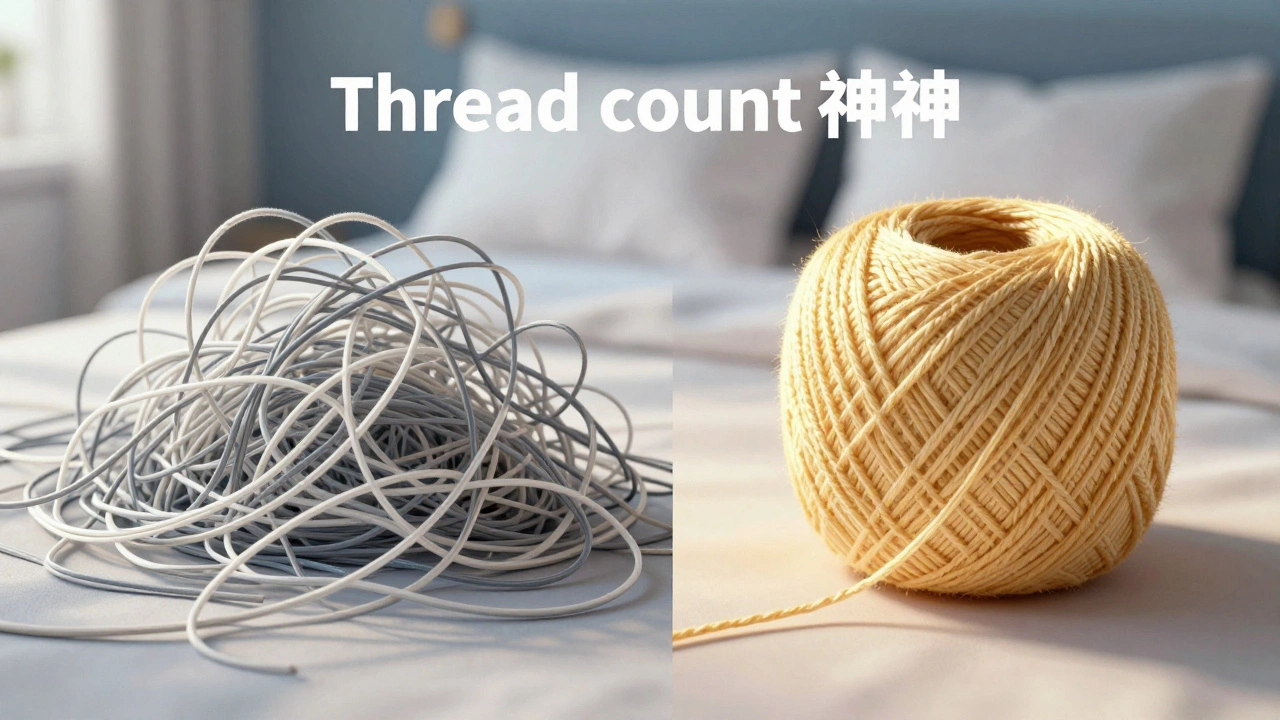
For years, retailers have pushed higher thread counts as the ultimate sign of quality. Here’s the reality check: thread count above 400-600 offers diminishing returns and is often achieved by using multi-ply yarns (twisting thin threads together). This makes the fabric thicker and less breathable, not necessarily softer.
Focus on these metrics instead:
- Fiber Length: Long-staple cotton yields smoother yarns.
- Weave Density: A tight percale weave at 300 TC can outperform a loose sateen at 800 TC.
- Material Purity: 100% natural fibers generally breathe better than blends.
If you see a thread count over 1,000, proceed with caution. It’s likely a marketing gimmick designed to justify a higher price tag.
Synthetic Options: When Polyester Makes Sense
Microfiber is a synthetic fabric made from ultra-fine polyester fibers, known for its affordability, wrinkle resistance, and durability. While purists dismiss synthetics, microfiber has its place. It’s inexpensive, easy to care for, and resists stains and wrinkles effectively.
The trade-off is breathability. Polyester doesn’t absorb moisture; it traps it. If you sweat heavily, microfiber will feel clammy. However, for guest rooms, kids’ bedrooms, or budget-conscious shoppers who change sheets frequently, it’s a practical choice.
Specialty Materials: Silk and Hemp
Silk is a natural protein fiber produced by silkworms, renowned for its smoothness, temperature regulation, and benefits for hair and skin. Mulberry silk is the highest grade. It’s gentle on delicate skin and hair, reducing friction that causes bedhead and wrinkles. However, silk is fragile, requires dry cleaning or hand washing, and comes with a steep price tag.
Hemp is a robust natural fiber similar to linen but even more durable and sustainable, requiring minimal water and no pesticides. Hemp bedding is eco-friendly and antibacterial. Like linen, it softens over time. It’s gaining popularity among environmentally conscious consumers who want a rugged, long-lasting option.
How to Choose Based on Your Climate and Lifestyle
Your location plays a huge role. In humid climates like New Zealand’s North Island, breathability is key. Opt for linen or percale cotton. In colder regions, sateen or flannel (brushed cotton) provides necessary insulation.
Consider your laundry habits too. Linen and hemp are low-maintenance but wrinkled. Percale requires occasional ironing if you want a crisp look. Microfiber and jersey need little to no ironing. If you’re busy, ease of care might outweigh slight differences in breathability.
Maintenance Tips to Extend Bedding Life
Treating your sheets right ensures they last longer and stay comfortable.
- Wash Cold or Warm: Hot water damages fibers over time. Use cold or warm cycles unless sanitizing.
- Avoid Fabric Softeners: They coat fibers, reducing absorbency and breathability. Use vinegar as a natural alternative.
- Air Dry When Possible: Tumble drying on low heat is okay, but line drying preserves elasticity and saves energy.
- Rotate Sets: Have two sets of sheets to alternate. This gives each set time to rest and recover its shape.
Is linen better than cotton for hot sleepers?
Yes, linen is generally superior for hot sleepers. Its hollow fibers allow for maximum airflow and rapid moisture evaporation, keeping you cooler throughout the night compared to most cotton weaves.
Are bamboo sheets really eco-friendly?
It depends on the manufacturing process. Bamboo itself is sustainable, but turning it into viscose rayon involves harsh chemicals. Look for brands that use closed-loop systems to recycle solvents and hold certifications like OEKO-TEX or FSC.
What is the best thread count for sheets?
Aim for a thread count between 200 and 400 for percale, and 300 to 600 for sateen. Higher numbers often indicate multi-ply yarns that reduce breathability without adding significant softness.
Why do my sheets feel rough after washing?
This could be due to fabric softener buildup, hard water minerals, or aggressive dryer cycles. Try rinsing with white vinegar, switching to a mild detergent, and air-drying your sheets to restore softness.
Can I put silk sheets in the washing machine?
Generally, no. Most silk sheets require hand washing or professional dry cleaning. Machine washing can damage the delicate fibers, causing shrinkage or tearing. Always check the care label first.