Frontier Money Translator
Translate Your Cash to the Old West
Enter a modern amount in dollars to see how it would be described in 19th-century cowboy slang and what it might have traded for.
Quick Glossary
- Buck: Derived from male deer hides used as currency in the fur trade.
- Silver: Refers to silver certificates or actual coins.
- Greenbacks: Paper dollars issued during the Civil War, often distrusted.
- Cash: From Spanish 'caja' (box), where money was kept.
Picture this: you’re watching an old Western movie. The sheriff walks into the saloon, slams a handful of coins on the table, and says he’s paying with his "bucks." You nod along because it sounds cool, but have you ever stopped to wonder why cowboys called money "bucks"? It turns out, the answer isn’t about cattle at all-it’s about deerskins.
If you’ve ever been curious about the colorful language of the American frontier, understanding these terms opens a window into how people lived, traded, and survived in the 19th century. It’s not just about knowing what to say; it’s about understanding the economy of the wild west.
The Real Origin of "Buck"
When most people hear the word buck in relation to cash, they assume it refers to male deer or maybe even bull cattle. But if you dig into the history books, specifically those documenting the fur trade in North America during the late 1700s and early 1800s, the story changes completely.
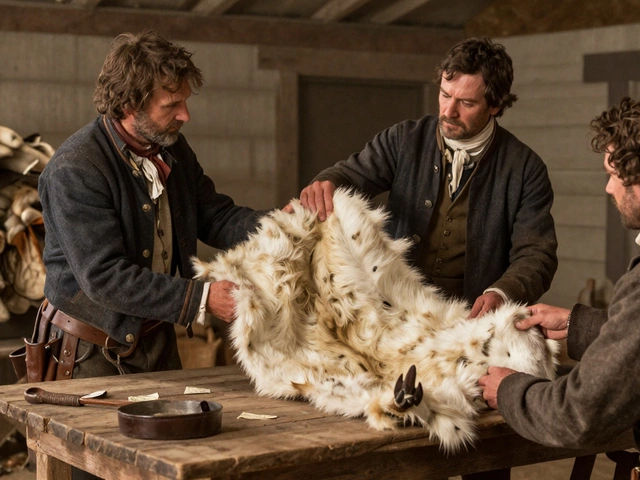
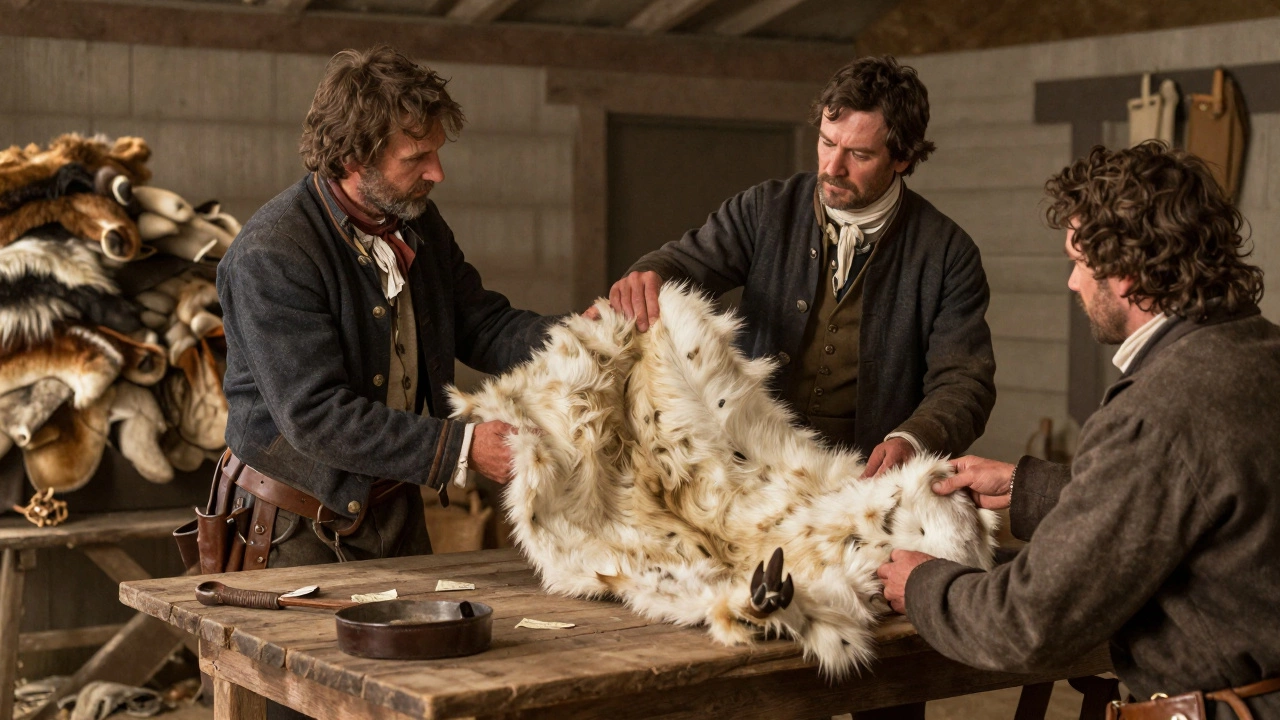
In the days before paper currency was widely accepted across the vast wilderness, traders used goods as currency. One of the most valuable commodities was the hide of the white-tailed deer. Specifically, the hides from male deer-bucks-were considered higher quality than those from females (does). They were thicker, more durable, and better suited for making moccasins, gloves, and other leather goods that European settlers craved.
| Item | Trade Value | Reason |
|---|---|---|
| Buckskin | Higher | Thicker, more durable leather |
| Doe Skin | Lower | Thinner, less versatile |
| Paper Money | Variable | Often untrusted in remote areas |
So, when a trader said something cost "a buck," they literally meant it cost one male deer hide. Over time, as the U.S. dollar became standardized, the term stuck. It was a convenient shorthand that carried over from the physical commodity to the abstract concept of currency. By the mid-1800s, "buck" was firmly established as slang for the dollar.
Other Common Cowboy Terms for Cash
While "buck" is the heavyweight champion of cowboy money slang, it wasn’t the only term floating around campfires and trading posts. Life on the range required a specific vocabulary, and money talk was no exception.
- Silver: This referred to silver certificates or actual silver coins. Before gold became the standard, silver was heavily circulated in the West.
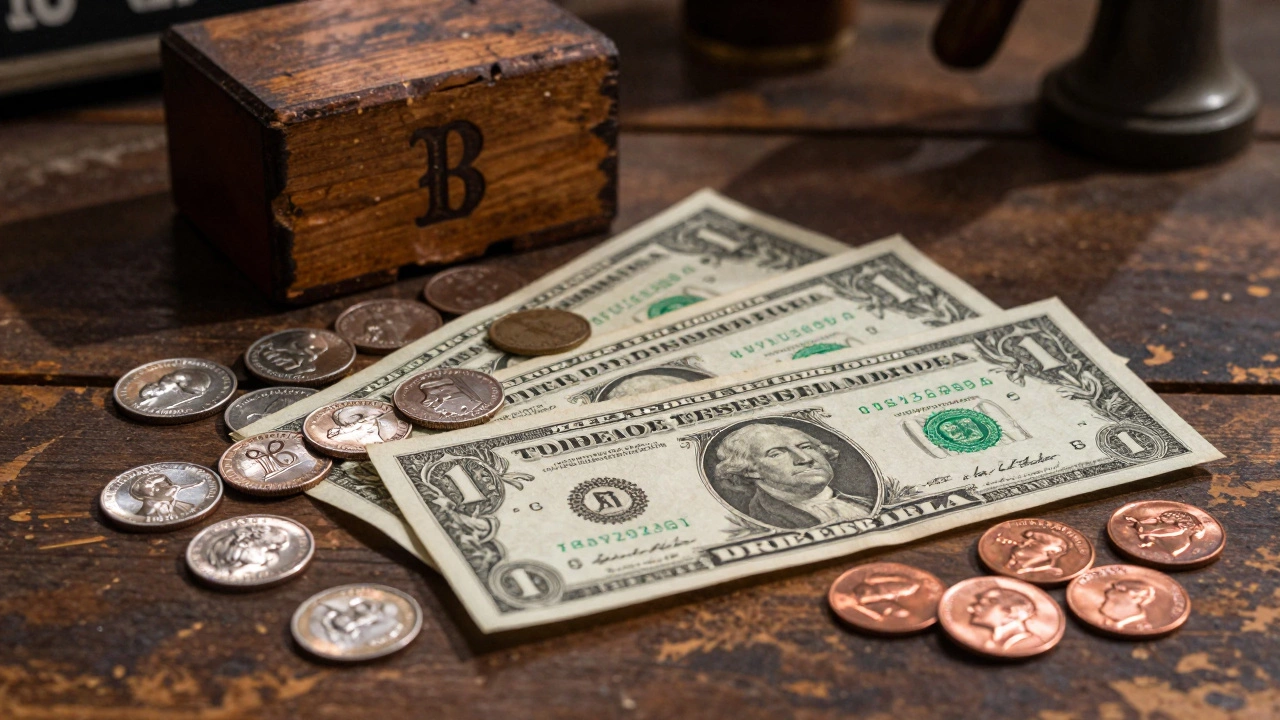
- Greenbacks: Named for their green color, these were paper dollars issued by the U.S. government during the Civil War. Cowboys often distrusted them initially because they weren’t backed by gold or silver directly.
- Cash: Surprisingly, this word comes from the Spanish word "caja," meaning box. In the West, where Spanish influence was strong, keeping money in a wooden box was common practice.
- Moola: While less historically accurate to the 1800s, later generations of cowboys adopted this Yiddish-derived term, showing how language evolves.
Understanding these distinctions helps paint a clearer picture of daily life. If a cowboy mentioned "silver," he might be referring to a specific type of coin needed for buying supplies in a Mexican border town. If he talked about "greenbacks," he might be complaining about inflation or the reliability of bank notes.
Why Did Slang Matter So Much?
You might wonder why language mattered so much to cowboys. Was it just for flair? Not entirely. In a culture built on oral tradition and tight-knit communities, shared language created trust. Using the right terms signaled that you belonged to the group.
Imagine walking into a trading post in Texas in 1875. If you started talking about "fiat currency" or "banknotes," the clerk might look at you like you were from another planet. But if you asked for "a few bucks worth of beans," you’d get a nod of respect. It showed you understood the local economy and customs.
This linguistic code also served as a way to protect wealth. Talking openly about large sums could attract unwanted attention from bandits or opportunistic thieves. Using coded language allowed cowboys to discuss their earnings without revealing exact amounts to eavesdroppers.
The Evolution of Western Financial Language
As the Wild West transitioned into modern America, many of these terms faded away. Today, we rarely use "buck" in formal settings, though it remains popular in casual conversation. However, the legacy persists in our everyday speech.
Consider phrases like "costing an arm and a leg" or "being broke." These idioms trace their roots back to similar eras of hardship and resourcefulness. Even today, when someone says they’re "short on change," they’re echoing the practical concerns of frontier life.
The shift from barter systems to digital transactions has changed how we think about money, but the emotional connection remains. We still feel the weight of losing a "buck" just as our ancestors did when they lost a deer hide.

How to Use These Terms Today
If you want to sprinkle some Western charm into your conversations, here are a few tips:
- Keep it casual: "Buck" works well in informal settings among friends. Don’t use it in professional emails unless you know your audience appreciates humor.
- Avoid overuse: Throwing around too many cowboy terms can sound forced. Stick to one or two recognizable phrases.
- Context matters: If you’re discussing historical topics or writing fiction set in the Old West, using authentic terminology adds depth and credibility.
Remember, the goal isn’t to sound like a caricature. It’s to appreciate the rich history behind the words we use every day.
Frequently Asked Questions
Is "buck" really derived from deer hides?
Yes, historical records from the fur trade era confirm that "buck" originally referred to male deer skins used as currency before paper money became widespread.
Did cowboys actually carry lots of cash?
Not usually. Most cowboys earned small wages and spent most of their money on basic necessities like food, clothing, and equipment repairs. Large sums were rare.
Are there any other animal-related money terms?
Besides "buck," you might hear "dime" which doesn't have an animal origin, but "cent" comes from Latin "centum" meaning hundred. No direct animal connections beyond the buck.
Why did paper money face skepticism in the West?
Paper money lacked intrinsic value compared to precious metals or tangible goods like furs. Many feared counterfeiting and bank failures, preferring hard assets they could see and touch.
Can I use "buck" in business contexts?
It depends on your workplace culture. In creative industries or relaxed environments, it might be acceptable. In traditional corporate settings, stick to "dollars" or "currency units" for professionalism.