Luxury Rug Material Selector
Tell us about your space
Select Options
Adjust the settings on the left and click "Find My Perfect Rug" to see our recommendation based on luxury standards.
Walk into a high-end hotel lobby or a boutique design showroom, and you’ll notice something immediately: the floor feels different. It’s softer, warmer, and carries a subtle sheen that catches the light just right. That feeling doesn’t come from cheap synthetic fibers. It comes from the most luxurious materials on earth, woven by human hands over weeks or even months.
If you are looking to anchor your living space with a piece that signals quality, comfort, and timeless style, you need to look beyond the price tag and understand the material itself. So, what is actually the most luxurious material for rugs? The short answer is silk. But the complete answer is more nuanced, involving rare wools, ancient techniques, and the specific way these fibers interact with light and foot traffic.
The Undisputed King: Pure Silk
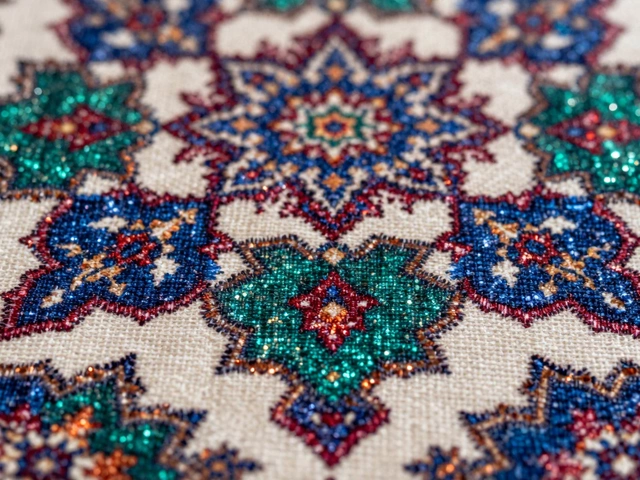
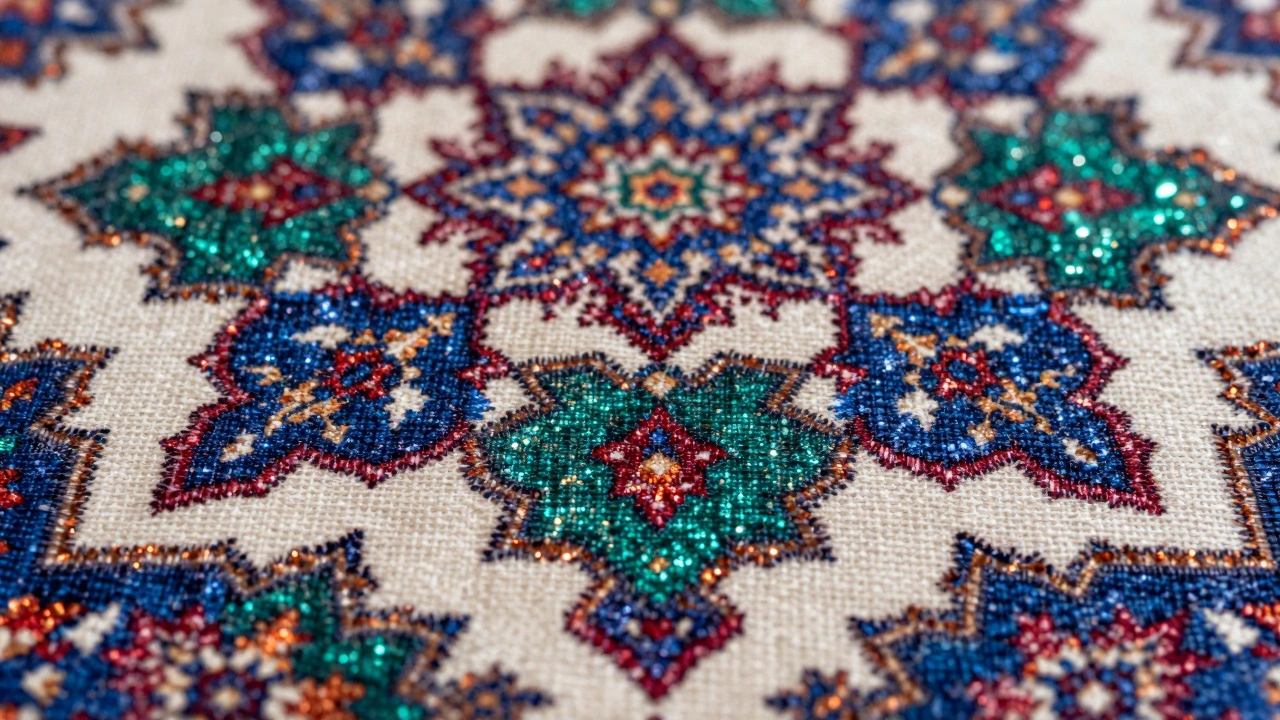
When interior designers talk about luxury, they start with Silk is a natural protein fiber produced by silkworms, known for its exceptional luster, strength, and ability to hold intricate detail. No other fiber matches the visual depth of pure silk. Because silk filaments are triangular in cross-section, they refract light like tiny prisms. This gives a silk rug a shimmering, almost liquid appearance that changes as you move around the room.
You can weave silk into incredibly fine knots-sometimes up to 800 knots per square inch (kpsi). This density allows for photographic realism in patterns. Think Persian medallions or complex floral motifs where every petal looks painted rather than woven. If you want a rug that acts as a focal point, drawing the eye and adding a sense of opulence, pure silk is the gold standard.
However, silk has a personality. It is delicate. It shows wear faster than wool, especially in high-traffic areas. A pure silk rug is best suited for low-traffic spaces like bedrooms, dining rooms, or formal sitting areas where it can be admired without being trampled daily. It requires careful maintenance; spills must be blotted, not rubbed, and professional cleaning is recommended annually.
The Balanced Luxury: New Zealand and Tibetan Wool
While silk wins on shine, Wool is a resilient natural fiber harvested from sheep, prized for its durability, stain resistance, and soft texture. wins on longevity and practicality. Not all wool is created equal, though. For true luxury, you want long-staple wool from specific breeds raised in harsh climates, which forces the sheep to grow thicker, stronger fibers.
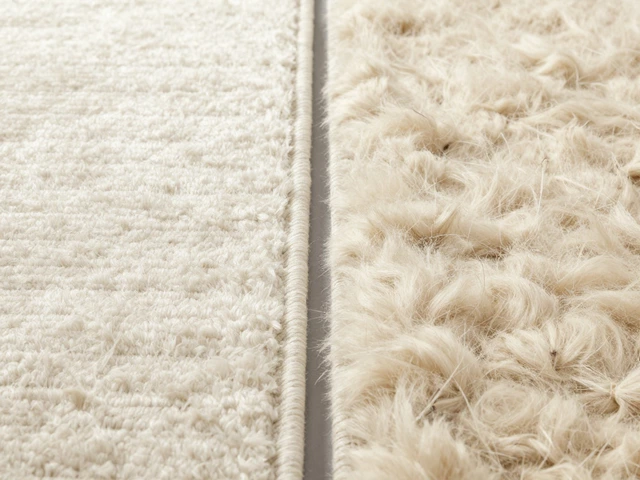
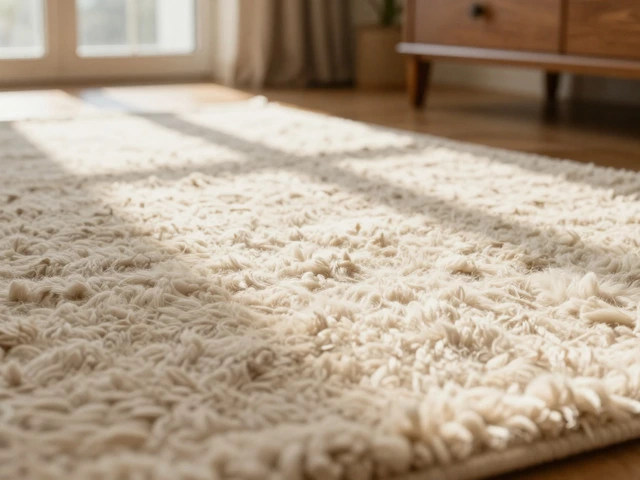
New Zealand wool, particularly from Merino or Corriedale breeds, is renowned for its fineness and softness. It lacks the coarse scratchiness of cheaper wools and offers a plush underfoot feel. Similarly, Tibetan wool, often used in traditional hand-knotted rugs from Nepal and India, is incredibly dense and durable. It holds dyes beautifully and resists crushing, meaning the pile stays upright for decades.
A high-quality wool rug is an investment in everyday life. You can walk on it barefoot, spill wine on it (if you act fast), and vacuum it regularly without worrying about damaging the fibers. Many luxury buyers opt for a "silk-wool blend" to get the best of both worlds: the luster of silk mixed with the resilience of wool. A common ratio is 70% wool and 30% silk, offering enough shine to look expensive but enough strength to handle family life.
| Material | Luster/Shine | Durability | Maintenance Level | Best For |
|---|---|---|---|---|
| Pure Silk | Very High | Low to Medium | High (Professional Clean) | Bedrooms, Low-Traffic Areas |
| New Zealand Wool | Medium | Very High | Low | Living Rooms, Hallways |
| Silk-Wool Blend | High | High | Medium | General Living Spaces |
| Cashmere | Medium-High | Medium | High | Bespoke, Ultra-Luxury Interiors |
The Rare Contender: Cashmere and Angora
If silk is the king of shine, Cashmere is an ultra-soft fiber obtained from the undercoat of cashmere goats, offering extreme softness and lightweight warmth. is the queen of touch. Cashmere rugs are exceptionally rare and expensive. They are lighter than wool rugs and have a velvety nap that feels incredible against the skin. However, because the fibers are so fine, they are prone to shedding initially and can mat down if not maintained properly.
Angora is fiber from the Angora rabbit, known for its halo effect and extreme softness, but lower durability. is another option, famous for its "halo"-a fuzzy surface that looks cloud-like. But beware: Angora sheds significantly and is not suitable for homes with pets or children who play on the floor. These materials are for display pieces or ultra-low-traffic zones where aesthetics trump function.
The Role of Construction: Hand-Knotted vs. Hand-Tufted
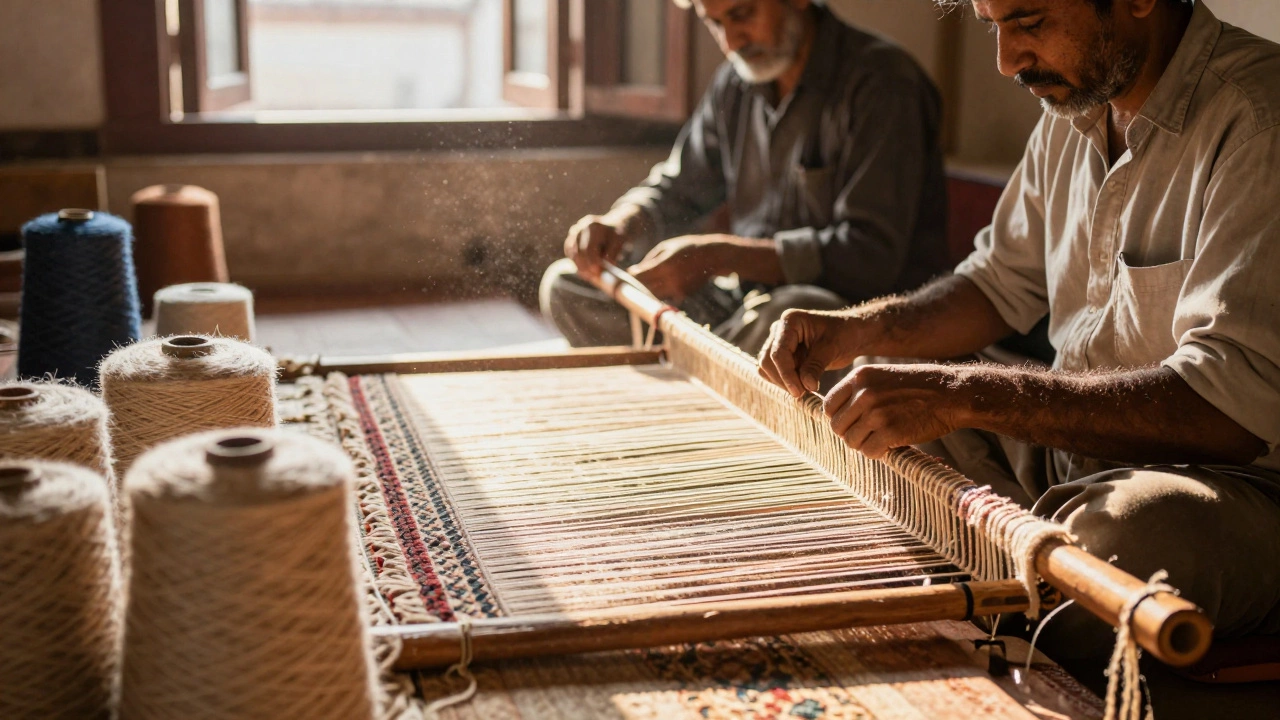
Even the finest silk will feel cheap if it is machine-made. The method of construction is just as important as the material. The pinnacle of rug craftsmanship is the Hand-Knotted Rug is a rug made by tying individual knots around the warp threads by hand, resulting in a reversible, durable, and artistic piece.
In a hand-knotted rug, every single knot is tied by hand. This process can take months for a large rug. The result is a reversible rug with no backing glue, meaning it ages gracefully and can last for generations. Hand-tufted rugs, while still good quality, use a gun-like tool to push yarn through a canvas and then apply a latex backing. They are faster to produce and less expensive, but they lack the structural integrity and resale value of hand-knotted pieces.
Knot density matters here too. A higher knot count usually means finer detail and a smoother surface. Look for at least 150 kpsi for a decent hand-knotted wool rug, and 400+ kpsi for silk blends. If a seller doesn’t disclose the knot count, ask. Transparency is a hallmark of luxury.
Natural Dyes: The Final Touch of Authenticity
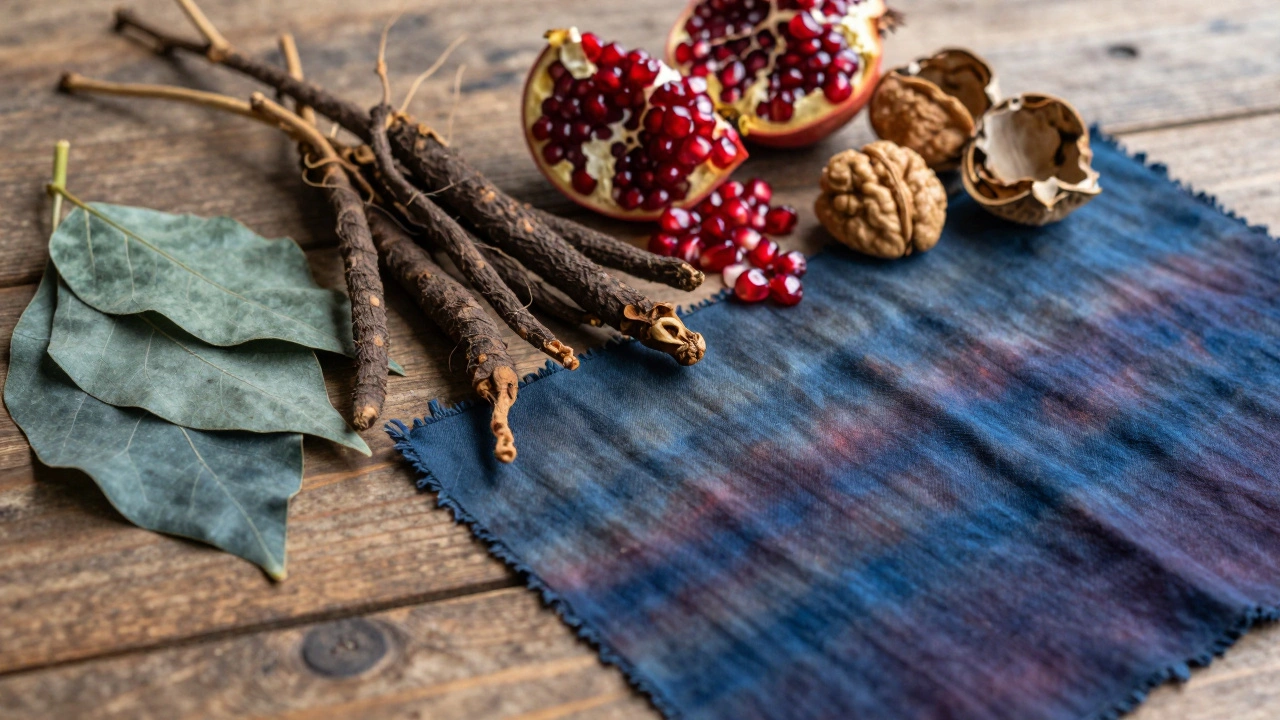
Luxury isn’t just about the fiber; it’s about how the color is applied. Synthetic chemical dyes are bright and consistent, but they can look flat and artificial over time. Natural Dyes are colors derived from plants, minerals, and insects, such as indigo, madder root, and cochineal, providing rich, variegated hues that age beautifully.
Rugs dyed with natural sources like indigo leaves, pomegranate skins, or walnut shells have a depth that synthetics can’t replicate. Each batch varies slightly, giving the rug a unique character. Over years, natural dyes soften and develop a patina, much like leather. If you see slight variations in shade within a single color field, that’s often a sign of authentic vegetable dyeing-a feature, not a bug.
How to Spot True Luxury (And Avoid Fakes)
The market is flooded with rugs labeled "silk" that are actually polyester or nylon. Here is how to protect your investment:
- The Burn Test: Ask for a few loose fibers. Burn them. Silk and wool smell like burning hair and turn to ash. Synthetics smell like plastic and melt into a hard bead.
- Check the Back: A hand-knotted rug should show the pattern clearly on the back. If the back is a solid layer of fabric or latex, it’s likely tufted or machine-made.
- Feel the Edge: Hand-knotted rugs have finished edges that are part of the structure. Machine-made rugs often have sewn-on borders.
- Price Reality: A genuine hand-knotted silk rug cannot cost $200. If the price seems too good to be true, it is. Luxury takes time, and time costs money.
Making the Choice: Which Is Right for You?
Choosing the most luxurious material depends on your lifestyle. If you have a quiet home, love art, and want a statement piece, go for pure silk. If you have kids, pets, or a busy household, invest in a high-density New Zealand wool rug or a silk-wool blend. Both offer luxury, but one prioritizes visual drama while the other prioritizes tactile comfort and endurance.
Remember, a rug is the foundation of a room. It sets the tone. By choosing natural fibers and handcrafted techniques, you aren’t just buying decor; you’re bringing history, craftsmanship, and nature into your home. That is the true definition of luxury.
Is silk really better than wool for rugs?
Silk is visually superior due to its light-refracting properties, making it ideal for detailed designs and low-traffic areas. However, wool is more durable, stain-resistant, and practical for high-traffic spaces. For most homes, a silk-wool blend offers the best balance of beauty and function.
How do I clean a pure silk rug?
Never use water or harsh chemicals on a pure silk rug. Blot spills immediately with a dry cloth. Vacuum gently without a beater bar to avoid pulling fibers. Professional cleaning by a specialist experienced with silk is recommended once a year to maintain its luster and structure.
What does "hand-knotted" mean?
Hand-knotted means each knot is tied individually by hand around the vertical warp threads. This creates a reversible rug with no adhesive backing, ensuring greater durability and longevity compared to hand-tufted or machine-made rugs.
Are natural dyes worth the extra cost?
Yes, if you value authenticity and aging. Natural dyes provide richer, deeper colors that soften beautifully over time, developing a unique patina. Synthetic dyes may fade uniformly but lack the depth and character of plant-based colors.
Can I put a luxury rug in a high-traffic hallway?
Pure silk is not recommended for high-traffic hallways due to its delicacy. Instead, choose a high-density wool rug or a silk-wool blend with a tighter weave. Rotate the rug every six months to ensure even wear.