Decluttering Strategy Selector
Answer these questions to find your optimal starting point.
Recommendation
Time EstimateSuggested First Action:
Focus Timer
Set a timer to prevent burnout. Stop when it rings.
You stare at the pile of mail on the counter. You glance at the bedroom floor covered in clothes. You sigh at the kitchen drawer that won't close because it’s stuffed with rubber bands and takeout menus. It feels impossible to tackle all of it at once. So, where do you actually start? Most people pick the easiest room or the messiest one, but neither strategy works long-term. The right choice depends on your personality, your schedule, and what’s causing you the most stress right now.
Decluttering isn’t just about throwing things away. It is a decision-making process about what serves your current life. If you pick the wrong starting point, you might burn out before you finish a single shelf. Let’s break down which room to declutter first based on real-world scenarios, not just generic advice.
The Entryway: Your Mental Reset Button
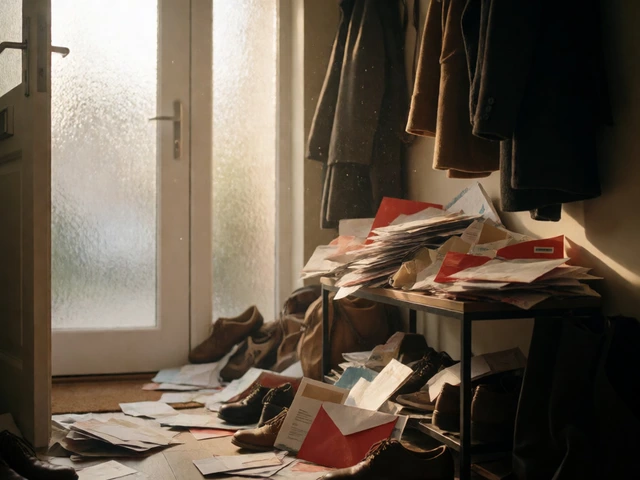
If you walk into your house and immediately feel overwhelmed, start with the Entryway. This space is the threshold between the outside world and your personal sanctuary. When it’s cluttered with shoes, coats, and unopened packages, your brain registers chaos before you’ve even taken off your socks. Clearing this area gives you an immediate visual win every time you come home.
This is often called "high-traffic, low-storage" territory. The goal here isn’t to hide everything in boxes; it’s to create a landing zone. Remove anything that doesn’t belong there. That grocery bag from Tuesday? Move it. The library book you haven’t touched in three months? Return it. Keep only what you need to leave the house: keys, wallets, sunglasses, and weather-appropriate outerwear.
- Time required: 30-45 minutes.
- Best for: People who feel stressed by visual noise upon returning home.
- Pro tip: Use a small tray for daily essentials so they don’t scatter across surfaces.
Starting here builds momentum. It’s visible progress that others notice, too. If you have guests over, a clear entryway makes your whole home look bigger and more organized, even if the rest of the house is still a work in progress.
The Kitchen: Where Daily Friction Happens
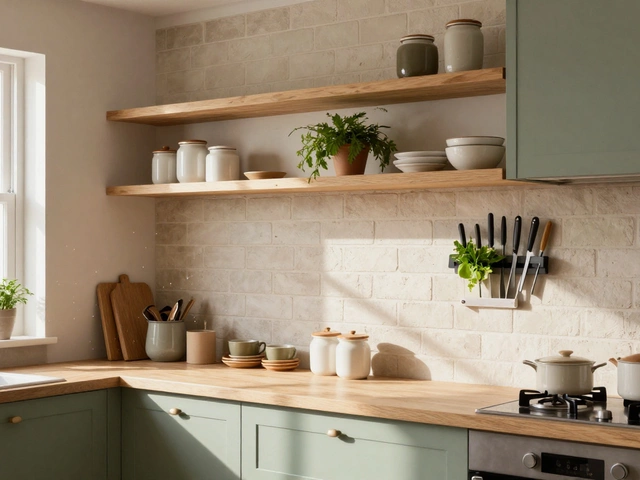
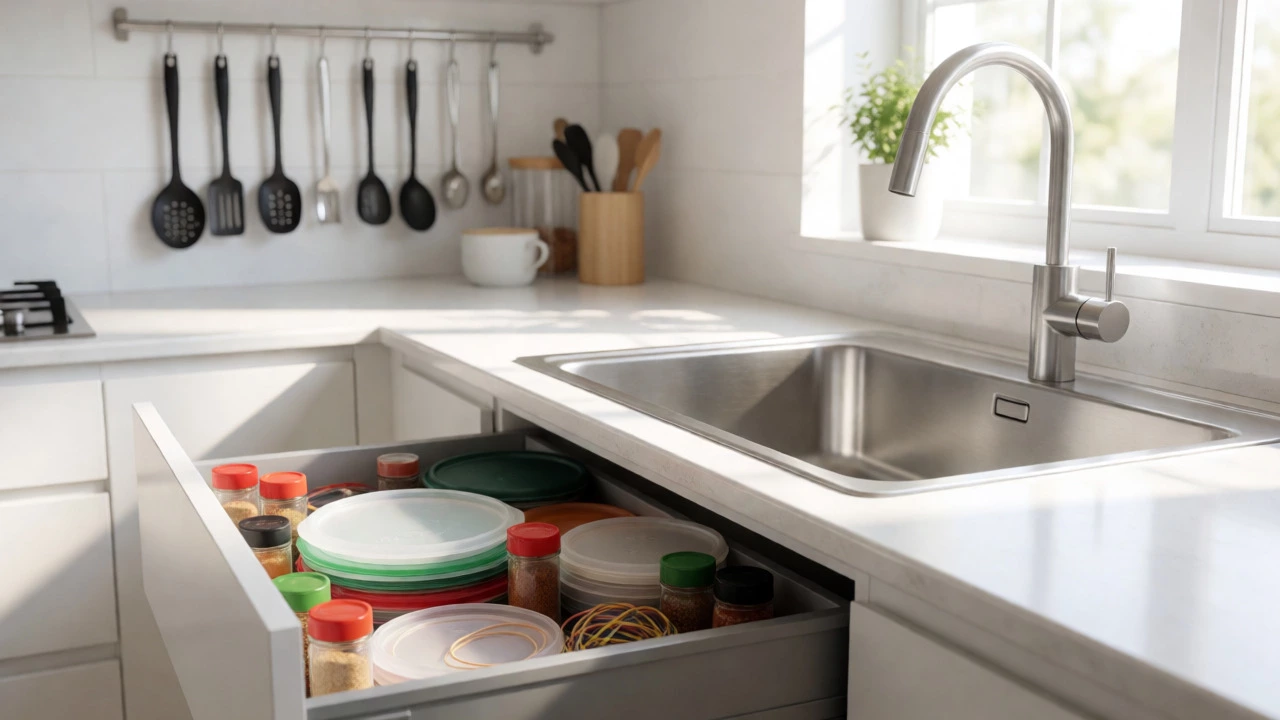
For many, the Kitchen is the heart of the home, but it’s also a magnet for clutter. Why? Because we cook, clean, eat, and socialize there. Items accumulate fast. Gadgets you bought for a specific recipe you made once, mismatched Tupperware lids, and expired spices crowd your counters and drawers.
Start with the pantry or the "junk drawer." Don’t try to clean the whole kitchen in one go. Pick one category. For example, pull out every utensil. Ask yourself: Do I use this weekly? If the answer is no, donate it. Be ruthless with duplicates. You probably don’t need four spatulas unless you run a bakery.
The kitchen offers high utility rewards. When you declutter this space, cooking becomes faster and less frustrating. You can see what you have, so you buy less food. This saves money and reduces waste. Plus, a clean kitchen encourages healthier eating habits because preparing meals feels easier when your workspace is clear.
| Item Category | Action Rule | Storage Solution |
|---|---|---|
| Tupperware Lids | Discard any lid without a matching container | Vertical organizer bin |
| Spices | Toss anything older than 2 years | Lazy Susan or tiered rack |
| Gadgets | Keep only if used monthly | Hook rail or cabinet door mount |
The Bedroom: Restoring Peace and Sleep Quality
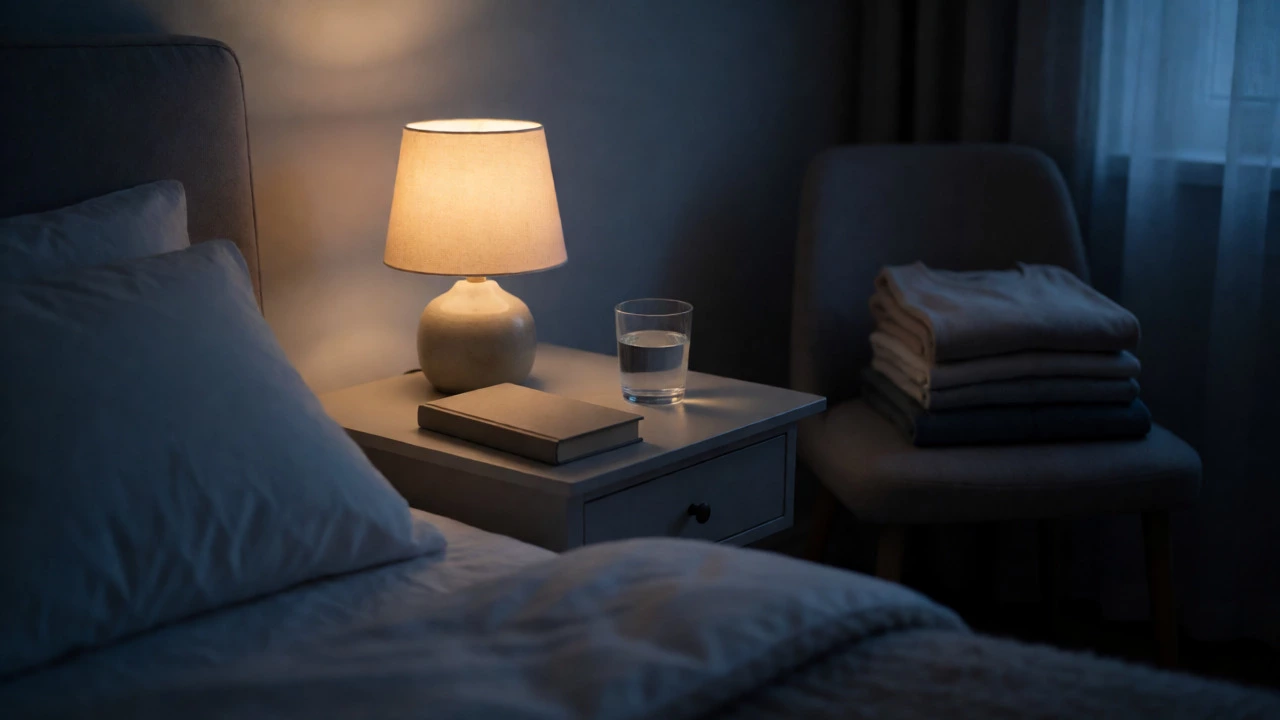
Your Bedroom should be a place for rest, not a second closet. If your nightstand is buried under books, tissues, and electronics, your sleep quality might suffer. Visual clutter triggers cortisol, the stress hormone. Even if you’re tired, a messy room keeps your brain alert.
Begin with the bedside tables. They are small enough to handle in ten minutes. Wipe them down. Keep only a lamp, a book, and maybe a glass of water. Next, tackle the clothing pile on the floor. This is usually laundry waiting to be folded or clothes waiting to be put away. Put the laundry in the hamper. Put the folded clothes in their designated spots. If you don’t have a spot, you have too many clothes.
Decluttering the bedroom helps you relax. It signals to your body that the day is done. It’s also a private victory. No one else needs to know you did it, but you will feel lighter. Focus on removing items that remind you of past identities or relationships you’ve moved on from. That concert t-shirt from five years ago? If it doesn’t fit or you don’t wear it, let it go.
The Bathroom: Hygiene and Quick Wins
The Bathroom is surprisingly easy to declutter quickly. Most bathroom clutter consists of expired products, half-used samples, and duplicates. Check expiration dates on makeup, lotions, and medications. Throw away anything that smells weird or looks separated.
Count your towels. Do you really need six bath towels per person? Probably not. Two or three are sufficient. Donate the extras. Look at your shower caddy. Are there bottles of shampoo you never liked? Get rid of them. This room requires little emotional labor. You aren’t dealing with sentimental photos or heirlooms. It’s purely functional.
A clean bathroom feels spa-like. It improves hygiene because you’re not breathing in dust from old products. It also speeds up your morning routine. When you can find your toothbrush and razor instantly, you save time. Start here if you need a quick dopamine hit to motivate you for larger projects later.
The Living Room: Managing Shared Spaces
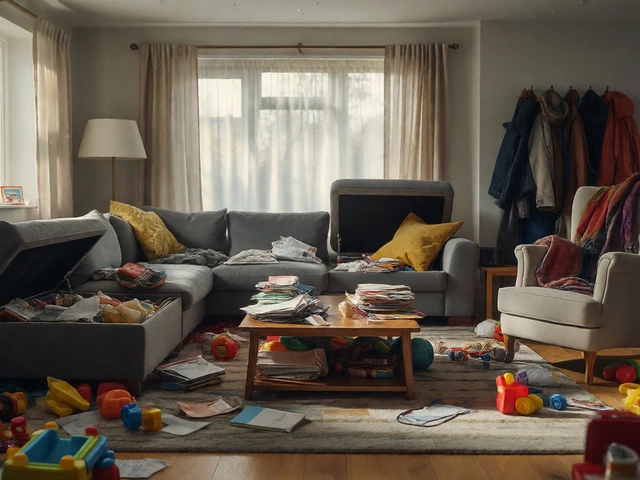
The Living Room is tricky because it’s shared. Everyone in the household uses it, so everyone contributes to the clutter. Remote controls, blankets, toys, and magazines multiply rapidly. If you live alone, this room might be your dumping ground for other rooms’ items.
Start by clearing horizontal surfaces. Coffee tables, side tables, and shelves attract random objects. Set a rule: Nothing stays on these surfaces unless it’s decorative or currently in use. Put remotes in a basket. Fold blankets neatly. Stack magazines if you read them; recycle them if you don’t.
Address the "chair of doom"-that one chair piled with clothes. This is a universal phenomenon. Make a deal with yourself: If you sit in that chair, you must move the clothes. Or better yet, remove the chair entirely until the pile is gone. Decluttering the living room improves family harmony. Less friction means fewer arguments about whose stuff is whose. It creates a space for connection rather than conflict.
The Garage or Basement: The Big Project Trap
Many people think they should start with the garage or basement because those spaces are huge and chaotic. Resist this urge. These areas are often filled with items you haven’t seen in years. Decision fatigue sets in quickly. You’ll spend hours sorting through old paint cans, broken tools, and holiday decorations, only to realize you’re exhausted after two hours.
Save the big storage areas for last. Once you’ve cleared the entryway, kitchen, and bedroom, you’ll have a clearer head and established systems. Then, when you tackle the garage, you can make faster decisions. You’ll already know how much storage you actually need in the main living areas, so you won’t bring unnecessary items back inside.
If you must start here, limit it to one shelf or one box. Do not attempt to empty the entire garage in a weekend. You’ll end up with piles everywhere and no way to sort them. Small, contained victories prevent overwhelm.
How to Choose Your Starting Point
Still unsure? Use this simple heuristic. Ask yourself these three questions:
- What causes me the most daily frustration? If you can’t find your keys every morning, start with the entryway. If you hate cooking because of dirty counters, start with the kitchen.
- Do I need a quick win? If you’re feeling low energy, choose the bathroom or a single drawer. Success breeds success.
- Is there a deadline? If guests are coming next week, prioritize the living room and guest bathroom. Practicality beats perfection.
Remember, decluttering is not about having an empty house. It’s about curating your environment. Every item you keep should earn its place by being useful or beautiful. If it does neither, it’s taking up valuable mental and physical space.
Should I declutter the sentimental items first?
No. Sentimental items require high emotional energy and slow decision-making. Save them for later when you’ve built confidence with easier categories like kitchen gadgets or bathroom products. Starting with sentimental items often leads to procrastination.
How long should I spend decluttering each session?
Limit sessions to 15-30 minutes. Short bursts prevent decision fatigue. You can always extend if you’re in flow, but setting a timer ensures you don’t burn out. Consistency matters more than duration.
What if I have kids or pets contributing to the clutter?
Involve them early. For kids, use games like "color hunt" to find toys of a specific color to donate. For pets, decluttering pet supplies often reveals duplicate toys or unused accessories. Establish drop zones near entrances to contain messes before they spread.
Do I need to buy new storage bins before I start?
Absolutely not. Buying storage before decluttering is a common mistake. You’ll likely buy containers that don’t fit your actual needs. Declutter first, measure what remains, then purchase appropriate storage solutions.
How do I handle items I plan to sell?
Create a dedicated "sell" box or shelf. Set a deadline, such as 30 days. If items haven’t sold by then, donate them. Holding onto unsold items indefinitely defeats the purpose of decluttering and re-clutters your space.