12-12-12 Decluttering Progress Calculator
How Many Items Will You Clear?
Track your progress with the 12-12-12 rule (12 items to throw away, 12 to donate, 12 to return)
Your Decluttering Impact
Just 12 items daily makes a huge difference over time.
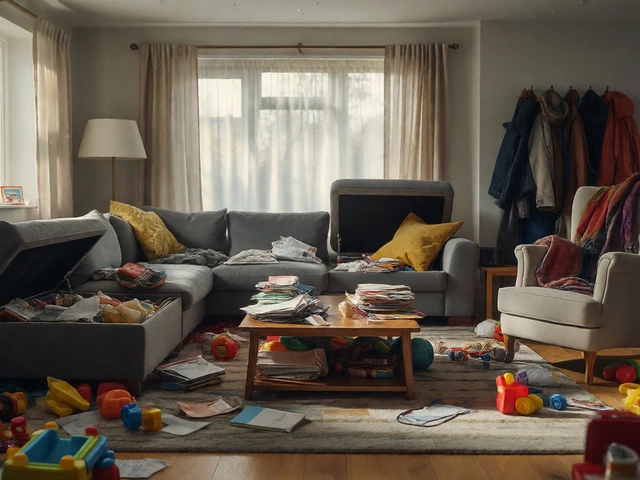
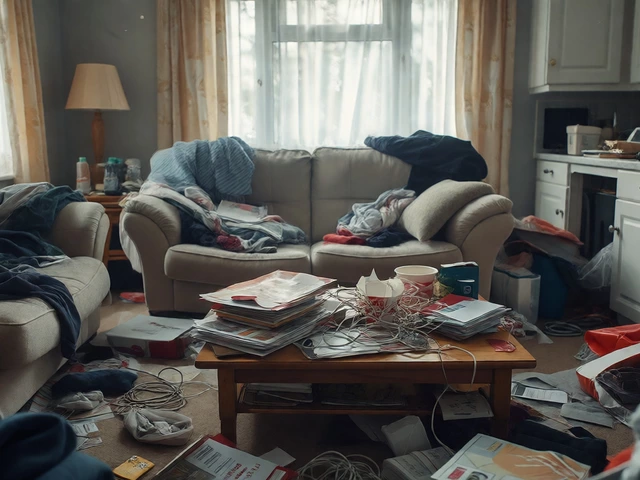
Every year, millions of people promise to declutter their homes. By February, most of those promises are forgotten. The problem isn’t laziness-it’s that most decluttering advice is overwhelming. Where do you start? What do you keep? How do you stop it from piling up again? The 12-12-12 rule for decluttering cuts through the noise. It’s not a fancy system. It doesn’t require apps, labels, or a full weekend. It just asks you to pick up 12 things, 12 times a day. And it works.
What Exactly Is the 12-12-12 Rule?
The 12-12-12 rule is simple: every day, find 12 things to throw away, 12 things to donate, and 12 things to put back where they belong. That’s 36 actions. Less than five minutes total. You don’t need to do it all at once. You can do it while waiting for coffee, during a commercial break, or right after brushing your teeth. The magic isn’t in the quantity-it’s in the consistency.
This rule was popularized by Marie Kondo’s followers who needed something more doable than full-room sweeps. It’s not about perfection. It’s about momentum. When you do this daily, you stop letting clutter build up. You don’t wait for a "perfect day" to clean. You clean in tiny, manageable bursts.
Why It Works When Other Methods Fail
Most decluttering systems ask you to make big decisions fast. "Keep or toss?" That’s hard. Your brain resists. The 12-12-12 rule removes the pressure. You’re not deciding if your entire closet matters. You’re just picking up one old sock, one broken pen, one misplaced charger. Small actions feel safe. They don’t trigger guilt or overwhelm.
Psychologists call this the "tiny habits" approach. James Clear, author of Atomic Habits, found that people who make micro-changes stick longer than those who overhaul everything at once. The 12-12-12 rule fits perfectly. It’s designed for real life-messy, busy, imperfect life.
Think about it: if you pick up 12 things a day, you’ll handle 4,380 items in a year. That’s more than most people clear in a whole season of spring cleaning. And you didn’t even notice it happening.
How to Actually Do It (Without Getting Frustrated)
Here’s how to make the 12-12-12 rule stick:
- Start small. Pick one room or one zone: your nightstand, the kitchen counter, the entryway table. Don’t try to tackle the garage on day one.
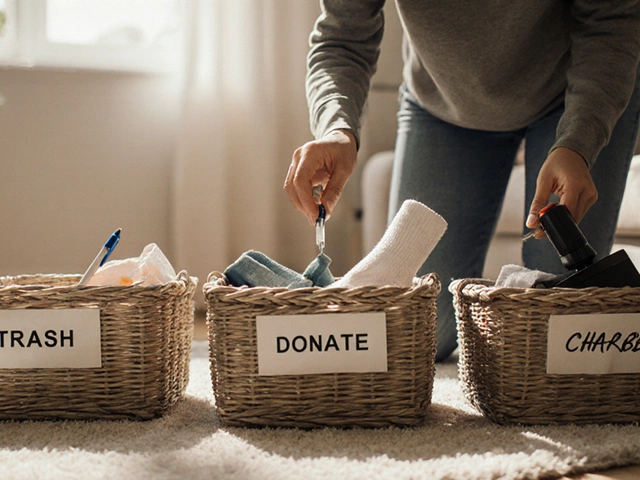
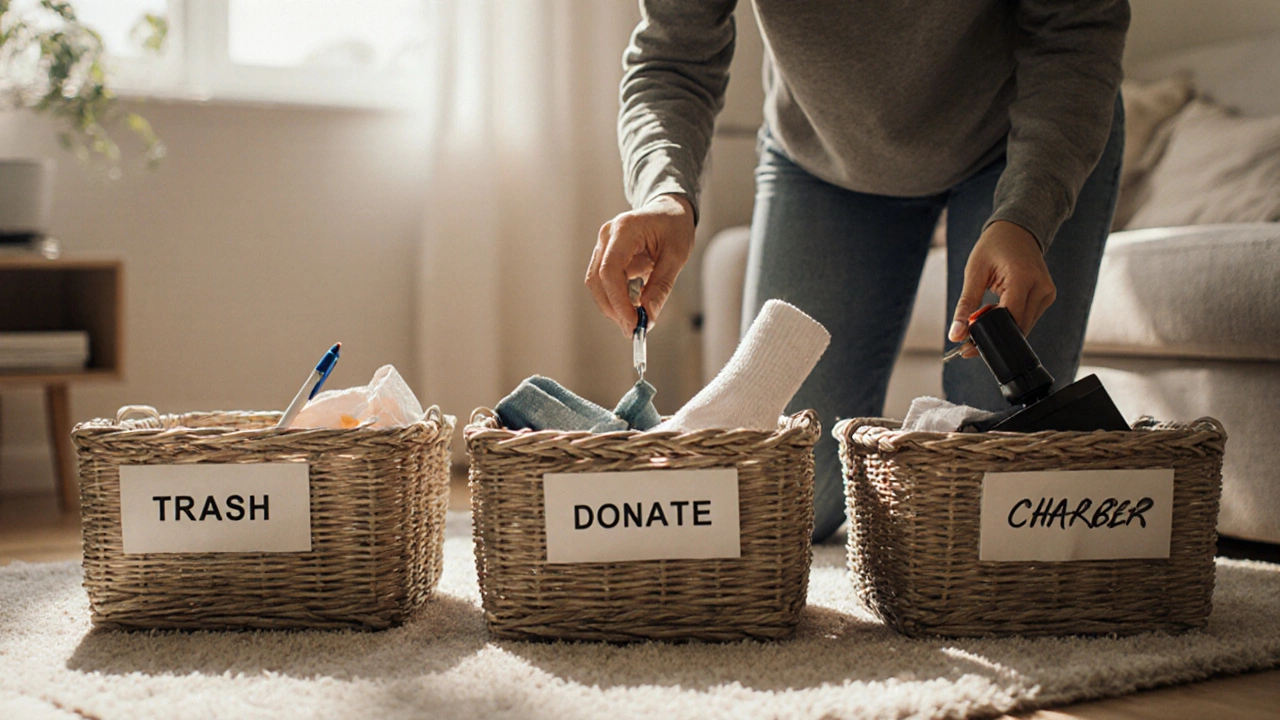
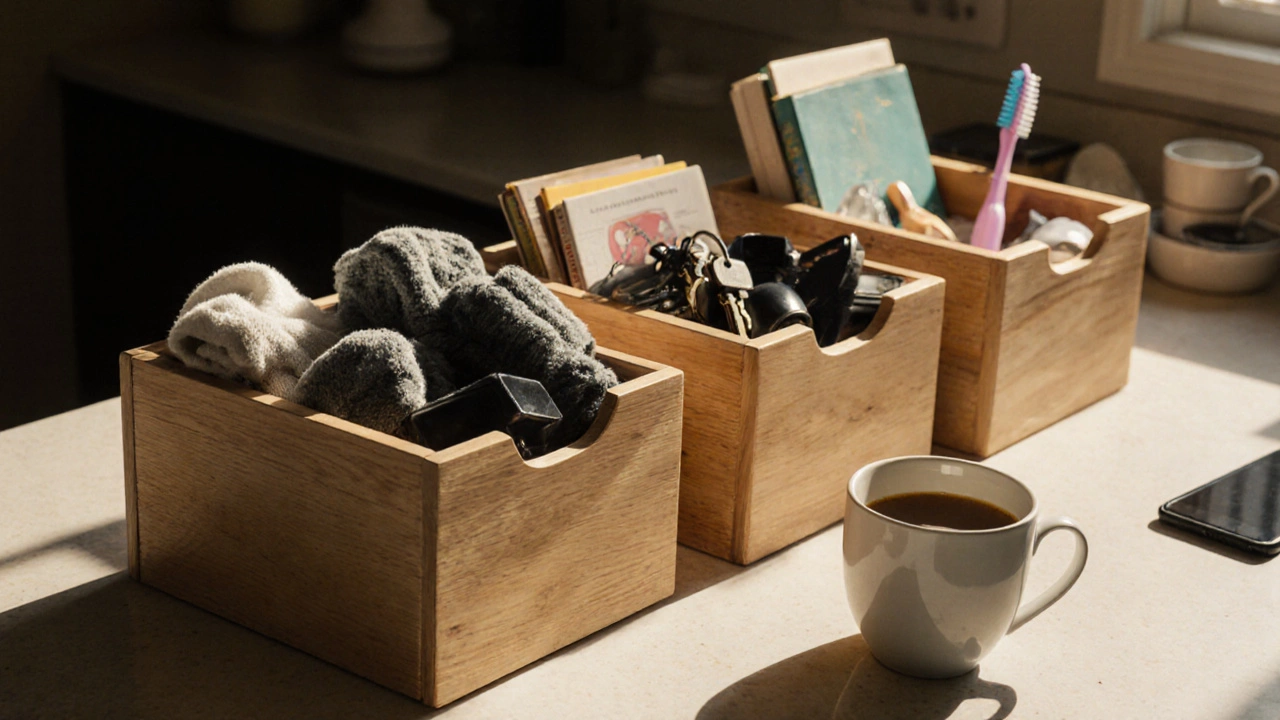
- Use a basket. Keep three small bins or boxes labeled "Trash," "Donate," and "Return." Put each item in the right one as you find it.
- Set a timer. Give yourself 5 minutes. When it goes off, stop. You don’t need to finish 36 items-just do what you can. Even 5 of each is progress.
- Be ruthless with duplicates. Do you have five coffee mugs? Keep one. Ten hair ties? Keep two. Broken gadgets? Toss them. Don’t keep "just in case." That’s clutter with a disguise.
- Don’t overthink. If you haven’t used it in six months and it doesn’t spark joy or serve a real purpose, it’s going in the donate or trash bin. No exceptions.
Some days you’ll find 12 broken pens. Other days you’ll find 12 old birthday cards you never sent. That’s fine. The goal isn’t to make your home look like a magazine. It’s to stop the slow creep of stuff.
Where to Put the 12 Things You Donate
Donating isn’t optional-it’s part of the system. If you don’t remove things from your home, you’re just moving clutter around. So where do the 12 donated items go?
- Local charity shops like Salvation Army, Goodwill, or community centers accept clothes, books, kitchenware, and small electronics.
- Food banks take unopened non-perishables you’ve forgotten about.
- Library book sales are great for old novels, cookbooks, and textbooks.
- Online groups like Buy Nothing Project or Facebook community groups let neighbors take what they need-no shipping required.
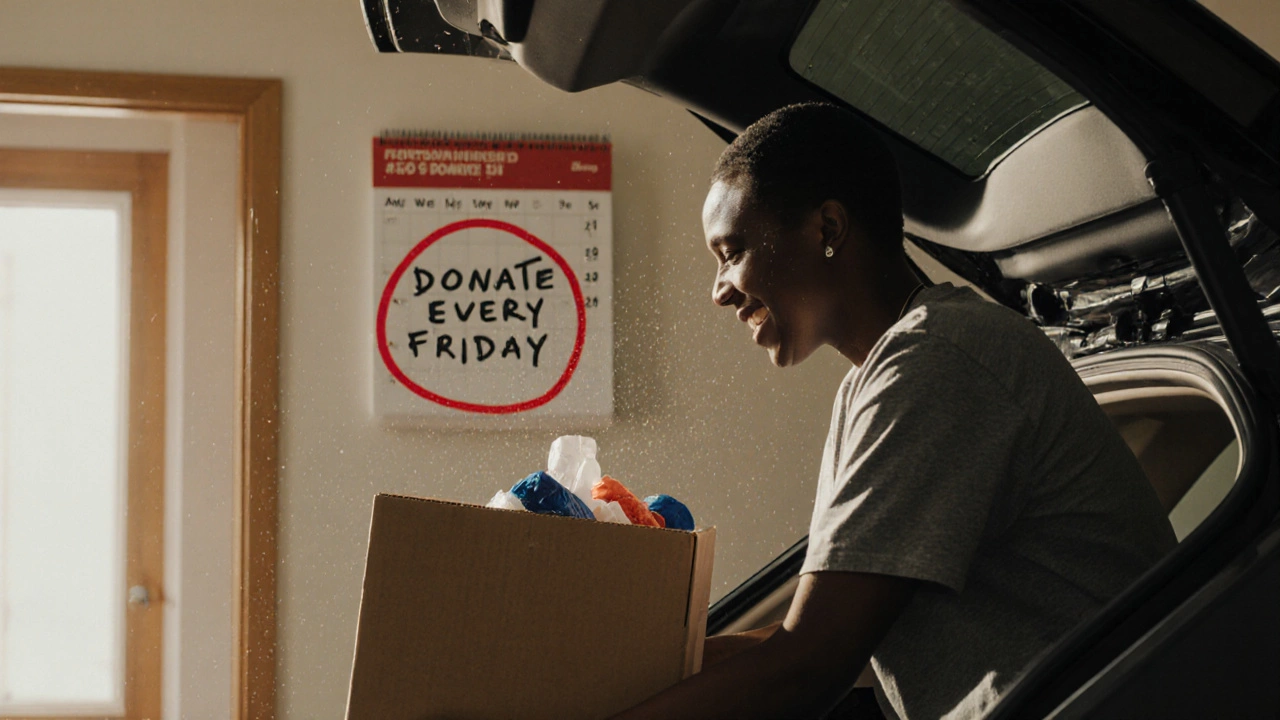
Don’t hoard donated items. Don’t wait for a "big drop-off day." Put them in your car trunk or by the door the same day you pick them up. Set a reminder: "Donate every Friday." Make it automatic.
Real Results: What Happens After 30 Days
People who stick with the 12-12-12 rule for a month report the same things:
- They stop feeling guilty about their clutter.
- They find things they thought they lost-keys, wallets, favorite books.
- They feel calmer walking into a room.
- They stop buying replacements because they finally see what they already own.
One woman in Wellington started the rule after her daughter asked, "Why do we have so many things?" After 30 days, she cleared 360 items. She didn’t just clean out her closet-she started giving away things she’d kept since college. "I didn’t realize how much space I was holding onto," she said. "Now I just breathe easier."
What to Do When You Hit a Wall
Some days, you’ll feel stuck. You pick up 12 things-and you put them all back. That’s normal. It means you’re facing emotional clutter.
Here’s what to do:
- Ask: "Would I buy this again?" If the answer is no, it’s not yours anymore.
- Ask: "Does this fit my life right now?" That wedding dress from 2010? The gym gear you haven’t worn since 2022? Those aren’t memories-they’re storage problems.
- Take a photo. If you can’t let go, snap a picture and delete the item. The memory stays. The clutter doesn’t.
There’s no shame in holding on. But holding on forever? That’s not love. That’s burden.
How This Rule Changes Your Relationship With Stuff
The 12-12-12 rule doesn’t just clean your home. It changes how you think.
You start noticing how much you accumulate. You pause before buying a new mug because you already have six. You stop picking up "free" things at events because you know they’ll just end up in a donate box. You begin to value space over stuff.
And that’s the real win. You’re not just organizing your home. You’re designing a life with less noise. Less distraction. Less guilt. More room-for breathing, for thinking, for living.
What Comes After the 12-12-12 Rule?
After a few months, you might find yourself doing it without thinking. That’s when you upgrade.
Try the 12-12-12 rule once a week instead of daily. Or add a new rule: "One in, one out." Every time you bring something new in, something else leaves.
Or try the 5-5-5 rule: five items to trash, five to donate, five to return. It’s the same idea-just smaller. You’re still building the habit.
The goal isn’t to become a minimalist. It’s to stop letting stuff run your life. The 12-12-12 rule gives you back control. One small action at a time.
Frequently Asked Questions
Can I do the 12-12-12 rule with kids?
Absolutely. Turn it into a game. Give each child three small bins and let them pick their own 12 items. Kids often let go of toys faster than adults. You’ll be surprised how many broken crayons, mismatched socks, and stuffed animals they’re happy to give away.
What if I don’t have 12 things to throw away?
That’s okay. Do 5, do 3, do 1. The rule isn’t about hitting a number-it’s about building awareness. If you only find one broken item and two misplaced keys, that’s still progress. Keep going. The items will show up.
Does this work for digital clutter too?
Yes. Apply the same logic: delete 12 old screenshots, 12 unread emails, and 12 duplicate files. Digital clutter weighs you down too. A clean phone gallery or inbox makes your mind feel lighter.
How long until I see results?
Most people notice a difference in two weeks. By the end of a month, their spaces feel calmer. The real change? They stop feeling anxious about their home. That’s the sign it’s working.
Is the 12-12-12 rule just for homes?
No. Try it at your desk, in your car, or even your email inbox. It works anywhere clutter builds up. The goal is to create order in small spaces so you don’t get overwhelmed by big ones.