Couch Cushion Decision Guide
Not sure which cushion style fits your life? Answer a few questions to find your perfect match.
Who will be using the sofa most often?
Your Recommendation
Quick Takeaways
- Attached cushions keep the sofa looking neat and prevent "cushion slide."
- Loose cushions are a lifesaver for parents and pet owners who need to wash covers.
- Attached options are generally more durable in high-traffic areas since they can't be misplaced or worn unevenly.
- Loose cushions allow you to flip and rotate foam to prevent permanent sagging.
The Case for Attached Cushions
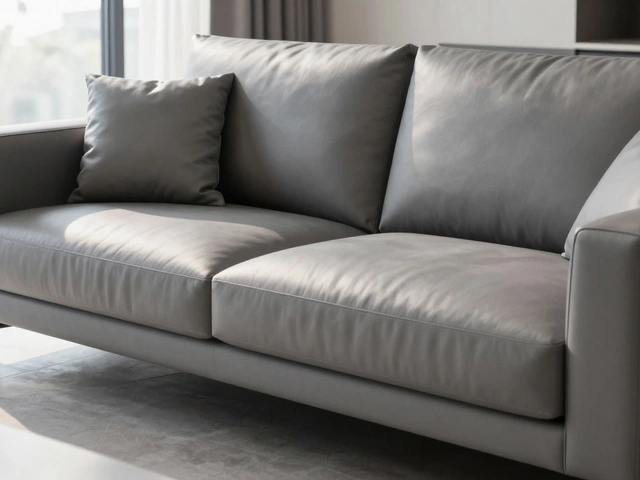
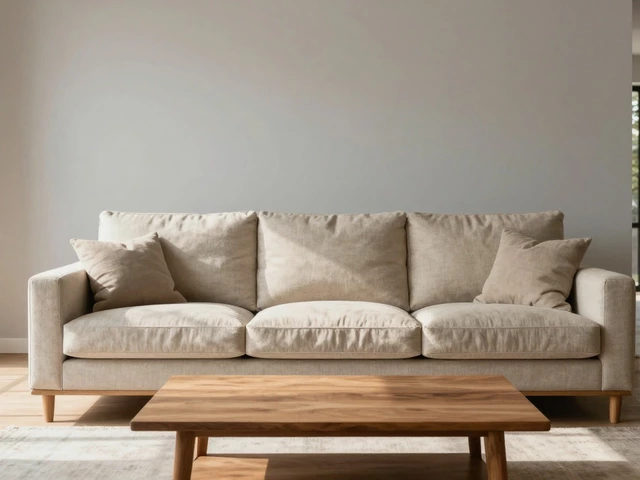
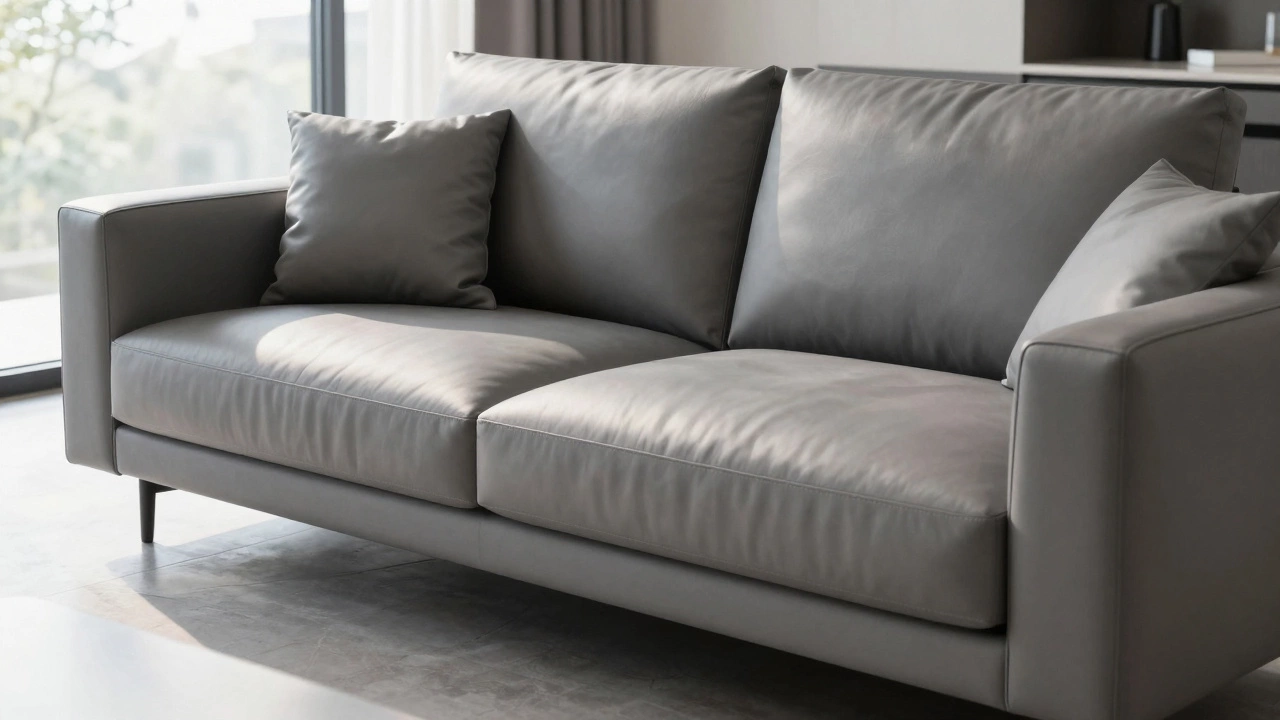
When we talk about attached couch cushions, we're talking about upholstery that is sewn directly to the sofa frame. Think of it as a single, cohesive unit. The biggest win here is visual consistency. You never have to deal with that annoying gap where the cushion slides forward, leaving you staring at the fabric of the base while you try to watch TV.
If you have kids who treat the living room like a jungle gym, attached cushions are a blessing. There's no risk of a toddler sliding off the seat and ending up on the floor because the cushion shifted. From a design perspective, these sofas often look more "tailored" and high-end. Because the fabric is pulled tight and secured, you don't get the slouchy, lived-in look that happens when loose cushions lose their shape over a few years.
However, there's a trade-off. You can't just unzip a cover and throw it in the wash. If you spill a glass of red wine on an attached seat, you're dealing with a spot-clean situation. You'll need a high-quality fabric cleaner and a lot of patience, as you can't easily access the internal foam to dry it out if the liquid soaks through.
Why Loose Cushions Win for Practicality
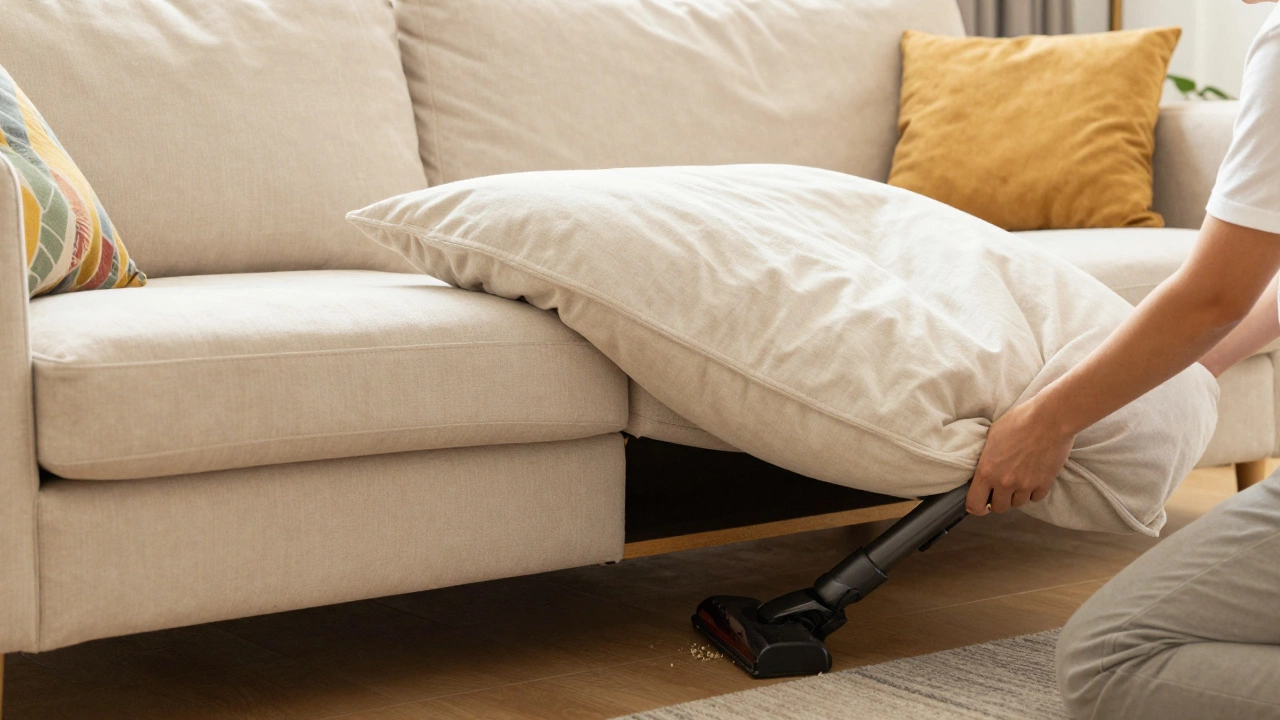
On the flip side, loose seat cushions are the gold standard for anyone who values hygiene and flexibility. The primary advantage is the ability to remove them entirely. If you have a dog that sheds or a cat that leaves hair everywhere, being able to lift the cushions and vacuum the "crumb abyss"-that dark space where remotes and loose change go to die-is essential.
Most loose cushions come with removable covers. If you're buying a sofa with a performance fabric, like polyester blends or treated linens, you can often zip the covers off and machine wash them. This makes a huge difference in the lifespan of the sofa's appearance. Instead of the fabric getting dingy and grey over five years, you can refresh the whole piece every few months.
Another huge perk is the ability to rotate your cushions. We all have a "favorite spot" on the couch. Over time, the foam in that specific area will compress more than the rest. With loose cushions, you can swap the middle cushion with the end cushion every few weeks. This distributes the wear and tear evenly, preventing that dreaded "sinkhole" effect where one part of the sofa is three inches lower than the others.
| Feature | Attached Cushions | Loose Cushions |
|---|---|---|
| Visual Neatness | High (No sliding) | Moderate (Can shift) |
| Cleaning Ease | Low (Spot clean only) | High (Washable covers) |
| Longevity of Foam | Fixed (Wear is localized) | High (Can be rotated) |
| Maintenance | Low (No adjusting) | Medium (Needs fluffing) |
| Crumbs/Dust Access | Difficult | Easy |
Evaluating the Foam and Fill
Regardless of whether the cushions are attached or loose, the material inside determines your comfort. Most modern sofas use polyurethane foam, which comes in various densities. High-density foam holds its shape longer but feels firmer. If you prefer a "sink-in" feeling, you're likely looking for down-filled cushions or a down-wrap around a foam core.
Here is where the attached vs. loose debate gets interesting. Down feathers are incredibly comfortable, but they require constant fluffing to keep them from clumping. If you have attached down cushions, you're stuck with whatever shape they take until you manually shake and punch the fabric. With loose cushions, you can literally stand them on end and beat them back into shape, which is much easier for maintaining that plush look.
If you're opting for a sofa with memory foam, attached cushions are often better. Memory foam is designed to contour to your body, and because it doesn't need to be rotated as often as traditional foam, the lack of mobility isn't a deal-breaker. It provides a consistent support level that doesn't shift around when you sit down.
Life Scenarios: Which One Fits Your Home?
To make this decision, look at your daily habits. Do you have a "no food on the couch" rule? If your living room is a formal space where guests occasionally sit and you rarely eat snacks, attached cushions are a great choice. They keep the room looking polished and professional without any effort on your part.
Now, consider the "family room" scenario. If your sofa is the hub of the home-where the kids eat popcorn, the dog naps, and the whole family piles on for movie night-loose cushions are non-negotiable. The ability to uncover the base of the sofa to vacuum up crumbs and pet dander is the only way to keep a high-traffic sofa from becoming a health hazard.
There's also the factor of the sofa frame. Many mid-century modern styles use thinner frames and tighter upholstery, making attached cushions a natural fit for the aesthetic. Conversely, oversized, deep-seated sectionals almost always benefit from loose cushions because the sheer volume of fabric makes them nearly impossible to clean if they are sewn in.
Long-term Maintenance and Replacement
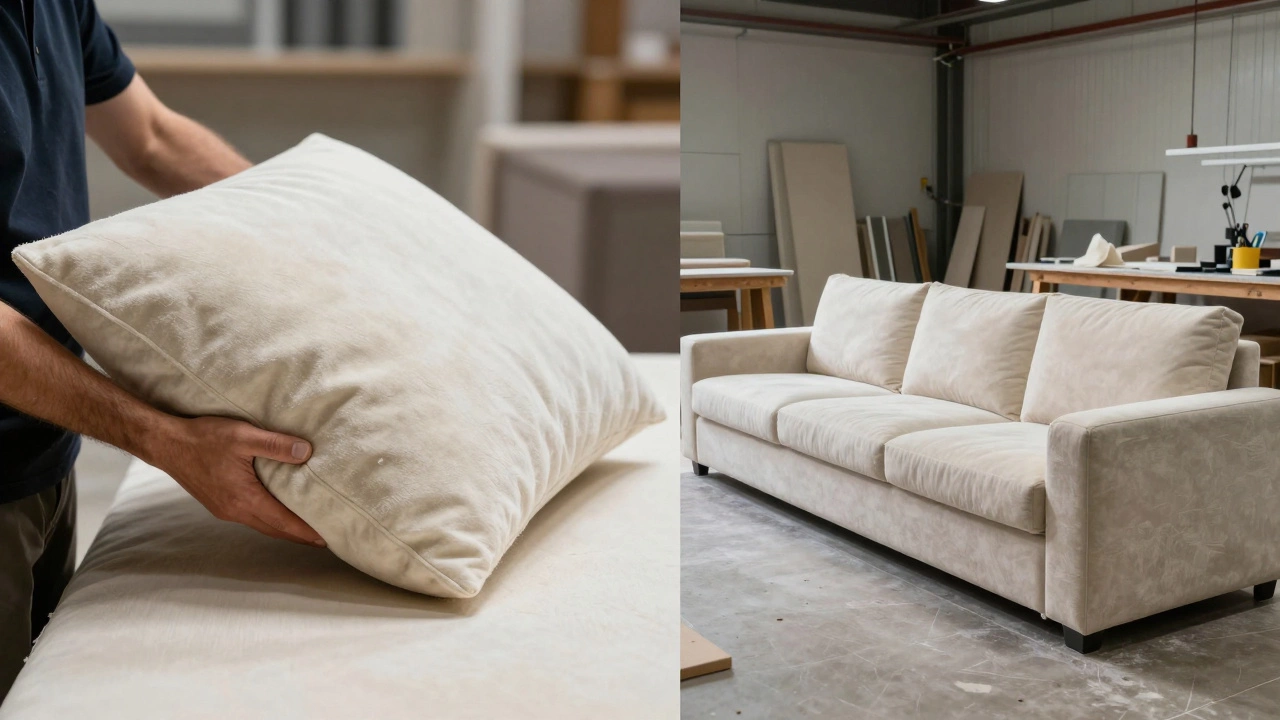
One thing people often forget is what happens in year seven or ten. Every sofa eventually wears out. With loose cushions, you have an escape hatch. If the foam in one seat completely collapses, you can take that specific cushion to an upholstery shop and have the foam replaced without replacing the entire sofa. You can even upgrade the foam density over time if you find the original was too soft.
Attached cushions are a different story. When the foam fails in an attached sofa, you're looking at a full professional reupholstery job. This involves stripping the fabric and rebuilding the seat, which can often cost nearly as much as a new sofa. If you plan on keeping your furniture for a decade or more, the modular nature of loose cushions provides a sustainable path for repair.
That said, attached cushions don't suffer from "the lean." You know that feeling when a loose cushion isn't quite aligned and you slide slightly to one side while sitting? Attached cushions eliminate that entirely. There is a structural stability to them that makes the seating experience more predictable.
Can I turn attached cushions into loose ones?
Generally, no. Attached cushions are sewn into the frame and the decking of the sofa. To make them loose, you would need a professional upholsterer to cut the seams, create new piping, and add zippers to the covers. This is usually too expensive to be practical.
Do attached cushions sag faster?
Not necessarily, but they are harder to fix once they do. Because you can't rotate attached cushions to distribute weight, the area where you sit most will wear down faster. Loose cushions allow you to move the foam around, which actually extends the overall life of the seating surface.
Which is better for people with allergies?
Loose cushions are significantly better for allergy sufferers. The ability to remove the cushions to vacuum the frame and wash the covers in hot water helps remove dust mites, pet dander, and pollen that get trapped in the crevices of the sofa.
Are attached cushions more durable?
In terms of the fabric, yes. Because they don't slide back and forth against the frame, there is less friction and "pilling" of the fabric on the sides of the cushions. However, the internal foam is less durable in the long run because it cannot be rotated.
How do I clean attached cushions?
You'll need to use a handheld steam cleaner or a fabric-safe foam cleaner. Always test a small, hidden area first. Since you can't remove the cover, avoid over-saturating the fabric, as moisture can get trapped in the foam and lead to mold or mildew if it doesn't dry quickly.
Next Steps for Your Shopping Trip
If you're headed to a furniture store this weekend, don't just sit on the sofa-interact with it. Try to lift the cushions. If they're loose, check the zippers; are they heavy-duty or flimsy? Check the fabric tag to see if the covers are truly machine-washable or if they are "dry clean only," which negates one of the biggest perks of loose cushions.
If you're leaning toward attached cushions, ask the salesperson about the foam core. Since you can't rotate them, a higher-density foam is a must to prevent premature sagging. If you're going with loose cushions, check if they come with a "non-slip" fabric on the bottom to reduce the amount of shifting you'll have to do daily.