The Bed Layering Simulator
Can you assemble the bed in the correct order? Drag the items from the Inventory to the Bed Layers below. Start from the bottom (Mattress) and work your way up!
Inventory
Bed Layers (Bottom to Top)
Think of it like a car. A tire is a part of the car, but you wouldn't say the tire is the car. In this scenario, sheets are the tires, and bedding is the whole vehicle. If you're trying to upgrade your sleep quality or just refresh your guest room, knowing exactly what you're buying saves you from the frustration of getting home and realizing you bought a fancy cover but have nothing to actually sleep on.
Quick Summary of the Basics
- Bed Sheets: The thin layers of fabric that touch your skin directly.
- Bedding: The collective term for everything on the bed, including sheets, blankets, pillows, and decorative throws.
- The Core Goal: Sheets focus on skin comfort and hygiene; bedding focuses on warmth, aesthetics, and overall sleep environment.
Breaking Down Bed Sheets: The Skin-Contact Layer
When we talk about bed sheets is a set of thin fabric layers designed to protect the mattress and provide a smooth, clean surface for the sleeper. They are the primary barrier between you and your mattress. Because they sit directly against your skin, the material choice here is the most critical decision for your comfort.
Most people use a combination of two types. First, there's the fitted sheet, which hugs the mattress. Then there's the flat sheet, which tucks in around you. While some people skip the flat sheet entirely (common in many European households), it serves as a hygienic layer that keeps your heavier blankets cleaner for longer. Instead of washing a heavy duvet every week, you just wash the sheets.
The material changes everything. For instance, Egyptian Cotton is prized for its long fibers, which make the fabric more durable and softer over time. On the other hand, if you're a "hot sleeper," you might look for Tencel or bamboo, which naturally wick moisture away from the body much faster than standard polyester blends.
Defining Bedding: The Whole Package
Now, bedding is an umbrella term that encompasses every textile item used on a bed to provide warmth, support, and visual appeal. It's the total collection of layers. If you're buying a "bedding set," you're usually getting a curated mix of items that are designed to match and work together.
Bedding is all about layers. You start with the mattress protector, add your sheets, layer on a blanket or quilt, and top it off with a duvet or comforter. The goal of bedding is to regulate your body temperature throughout the night. Your body temperature drops slightly as you fall asleep, and bedding allows you to adjust-kicking off a blanket or pulling up a duvet-to maintain that sweet spot of comfort.
Beyond the functional stuff, bedding includes the aesthetic elements. This is where decorative shams and throw pillows come in. They don't necessarily help you sleep, but they make the room feel finished. When a designer talks about "dressing the bed," they are talking about the art of bedding.
The Heavy Hitters: Comforters, Duvets, and Quilts
Since bedding is the broad category, it's easy to get confused by the different types of top layers. This is where most people get tripped up. Let's look at the three most common options.
A comforter is essentially a thick, quilted blanket. It's usually one piece of fabric with filling stitched inside. Because they are bulky, they can be a pain to wash, but they provide an instant, cozy look without needing extra covers.
A duvet is different. It's basically a giant stuffed pillow. It's designed to be inserted into a duvet cover, which acts like a giant pillowcase. This is a huge win for hygiene because you can throw the cover in the wash every week while only cleaning the heavy duvet insert a few times a year.
Then you have the quilt. quilts are thinner, denser, and usually made by stitching together layers of fabric. They are great for warmer climates or as an extra layer of texture in a complex bedding arrangement.
| Feature | Bed Sheets | Comforters/Duvets | Complete Bedding Set |
|---|---|---|---|
| Primary Purpose | Skin comfort & hygiene | Warmth & insulation | Total bed setup |
| Direct Skin Contact | Always | Rarely (usually over sheets) | Mixed |
| Wash Frequency | Weekly | Monthly/Seasonally | Variable |
| Key Material Focus | Thread count/Breathability | Fill power/Weight | Color coordination |
How to Build Your Bed the Right Way
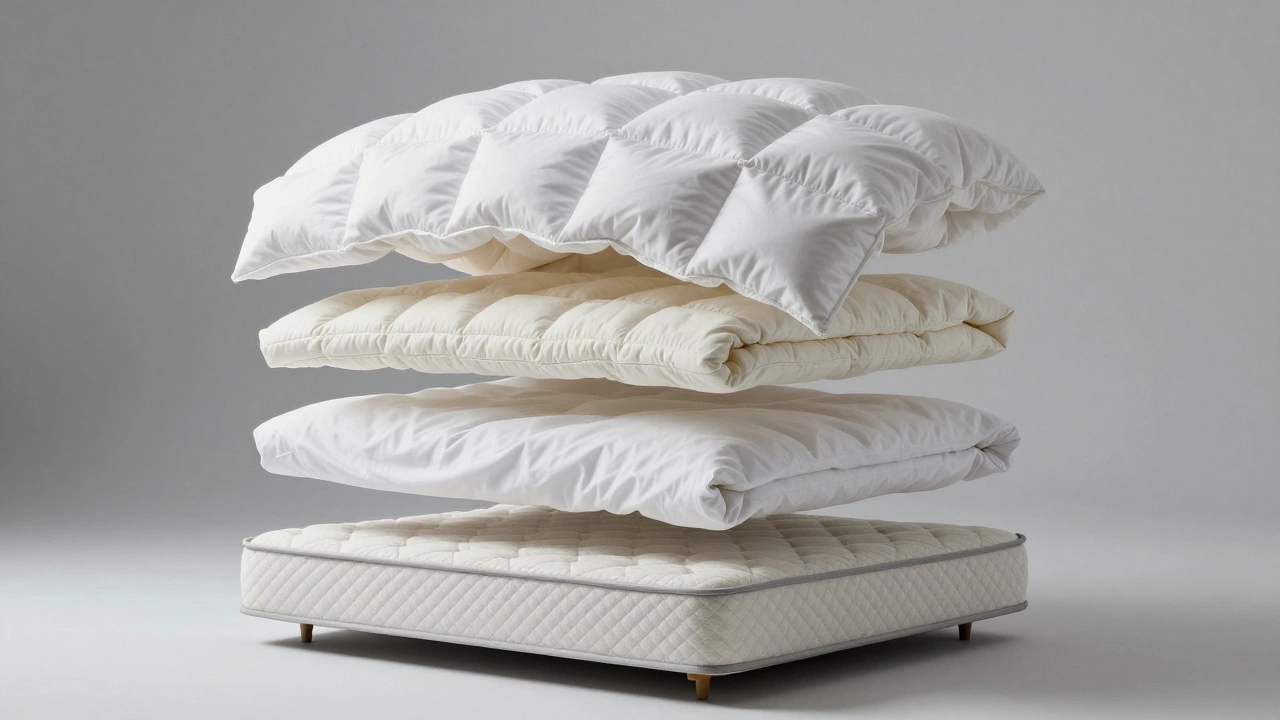
If you're staring at a bare mattress, don't just throw a blanket on it. There's a logical order to layering that ensures you don't wake up sweating or shivering. This process is where the distinction between sheets and bedding becomes a practical workflow.
- The Foundation: Start with a mattress protector. This keeps your mattress from getting stained and helps it last years longer.
- The Base Layer: Put on your fitted sheet. Make sure it's pulled tight to avoid those annoying wrinkles that make you feel like you're sleeping on a crumpled piece of paper.
- The Comfort Layer: Add your flat sheet. This is your primary layer of bed sheets. If you prefer a more modern style, you can skip this, but it's a lifesaver for keeping your duvet clean.
- The Warmth Layer: Add a quilt or a lightweight blanket. This provides the first level of insulation.
- The Heavy Layer: Place your duvet or comforter on top. This is the "big" piece of bedding that defines the look of your room.
- The Finish: Add your pillows and a decorative throw blanket at the foot of the bed for a touch of style.
Common Pitfalls When Shopping
One of the biggest mistakes people make is buying a "bed-in-a-bag." While it's convenient, these often prioritize the look over the feel. You might get a beautiful duvet cover, but the sheets included are often low-quality polyester that doesn't breathe, leaving you sweaty by 3 AM. It's almost always better to buy your sheets separately based on your skin's needs and then pick a bedding set for the aesthetic.
Another trap is the "thread count" myth. You'll see sheets claiming a 1,000-thread count, and it sounds impressive. However, once you get past 400 or 600, the numbers often become a marketing gimmick. High thread counts can actually make a fabric denser and less breathable, which is the opposite of what you want if you live in a warm climate. Focus on the fiber (like long-staple cotton) rather than just the number.
Finally, watch out for the difference between "King" and "Cal King." If you buy a bedding set for a standard King but have a California King mattress, your sheets will be too short and your comforter won't hang over the edges properly. Always double-check your mattress dimensions before hitting the checkout button.

Maintaining Your Sleep Sanctuary
Since sheets are the part of your bedding that collects the most dead skin, oils, and sweat, they need the most attention. Washing them once a week in warm water with a mild detergent keeps them fresh and prevents breakouts on your skin. Avoid using too much fabric softener, as it can actually coat the fibers and reduce the breathability of high-quality cotton sheets.
For the heavier bedding items, like duvets, the approach is different. A duvet cover should be washed every one to two weeks. The actual duvet insert only needs a deep clean every few months, provided it's inside a cover. If you have a comforter that doesn't have a cover, you'll need to wash the whole thing more frequently, which puts a lot of wear and tear on the fabric.
Can I use a comforter without sheets?
Technically, yes, but it's a bad idea for hygiene. Comforters are bulky and hard to wash. If you sleep directly under one, it will absorb all your sweat and skin cells, requiring you to wash a heavy, cumbersome item every week. Using sheets provides a thin, washable barrier that keeps your bed cleaner and your skin healthier.
What is the difference between a duvet and a comforter?
A comforter is a single, quilted piece of bedding that doesn't require a cover. A duvet is a separate insert (often filled with down or synthetic fibers) that is placed inside a duvet cover. The main advantage of a duvet is that the cover can be easily removed and washed, whereas a comforter must be washed as one large piece.
Do I really need a flat sheet?
It depends on your preference. The flat sheet acts as an extra layer of warmth and keeps your duvet cleaner. If you find it annoying to tuck in or it always ends up in a bunch, you can skip it. Many people in Europe simply use a duvet with a cover and a fitted sheet, which simplifies the bed-making process.
Which material is best for bed sheets?
It depends on your body temperature. For a crisp, classic feel, Egyptian Cotton is the gold standard. For those who run hot, bamboo or Tencel are excellent because they are moisture-wicking and cool to the touch. For winter warmth, flannel sheets provide a soft, brushed texture that traps heat.
What should I look for in a high-quality bedding set?
Check the material composition first. Avoid sets that are 100% polyester if you want breathability. Look for a mix of high-quality fibers like cotton or linen. Also, ensure the set includes a duvet cover rather than just a comforter if you prefer easier laundry days. Finally, check the dimensions to ensure they fit your specific mattress size perfectly.
Next Steps for Your Bedroom Upgrade
If you're feeling overwhelmed, start with the layer that touches your skin. Upgrade your sheets first-your body will thank you. Once you've nailed the comfort level, move on to the aesthetic side of bedding. Try mixing textures, like a chunky knit throw over a smooth cotton duvet, to give your room a professional, layered look. If you're dealing with a specific issue like nighttime overheating, look into cooling bedding technologies like phase-change materials or perforated fabrics.