Rug Shape & Size Calculator
Step 1: Select Your Room Type
Picking a new rug feels overwhelming when you walk into a store with hundreds of options. You might have the colour palette sorted, but the wrong shape can throw an entire room off balance. A misshapen floor covering makes a big room look tiny or leaves awkward gaps around expensive furniture. Getting the rug shape right creates flow and defines your living spaces properly.
There is no single magic answer for every situation, but there are proven rules of thumb used by designers everywhere. Understanding how different silhouettes interact with traffic patterns helps you spend less money on replacements and enjoy your home sooner.
Quick Key Takeaways
- Rectangular rugs fit standard layouts best, especially under coffee tables where front legs touch the carpet.
- Round rugs work wonders in dining areas or entryways to soften sharp corners of square architecture.
- Runner rugs define pathways in hallways and kitchens without blocking movement.
- Always leave 10 to 18 inches of bare floor visible around the rug perimeter for scale.
- Oval rugs offer a transitional option when rectangles feel too rigid but circles feel too loose.
The Standard Choice: Rectangular Rugs
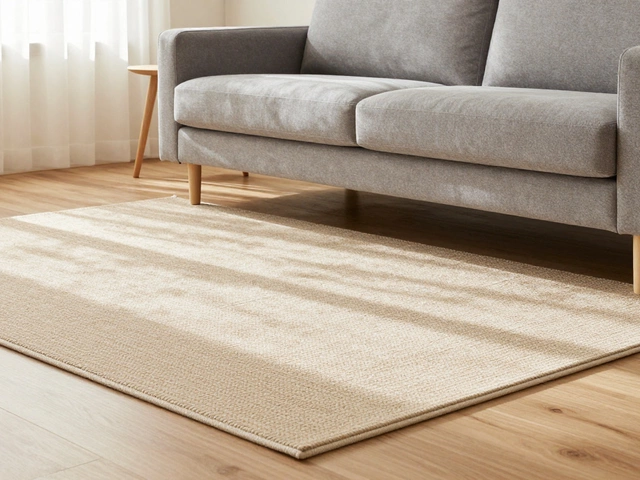
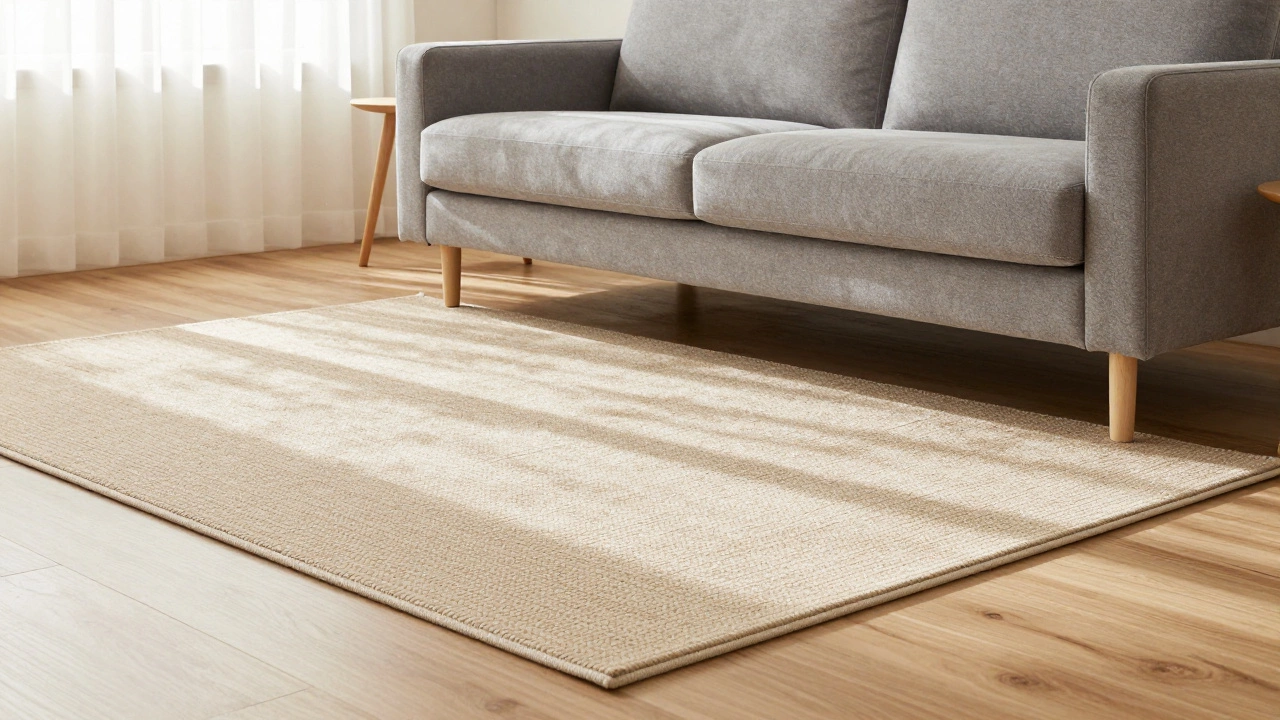
Most homes are built with walls meeting at ninety-degree angles. Because of this geometry, a rectangular rug is usually the safest bet for living areas. It aligns naturally with sofas and TV units. If you place a square piece of fabric in a long living room, it looks like a mat in the middle of an ocean rather than an anchor.
You want the front legs of your main seating group to rest on the rug. This pulls the conversation area together visually. When all four legs of a chair sit on the carpet, it signals a defined zone. This technique anchors the space so people don't feel lost wandering over exposed flooring. For larger rooms, aim for an area rug that extends well beyond the coffee table edges.
If you have a tight budget, remember that large rectangles are costlier per square metre than smaller ones. Look for modular options where you can join smaller woven pieces, though seams might show wear faster over time. In New Zealand homes with timber floors, keeping some wood visible prevents the room from feeling cluttered.
Softening Corners with Round and Oval Shapes
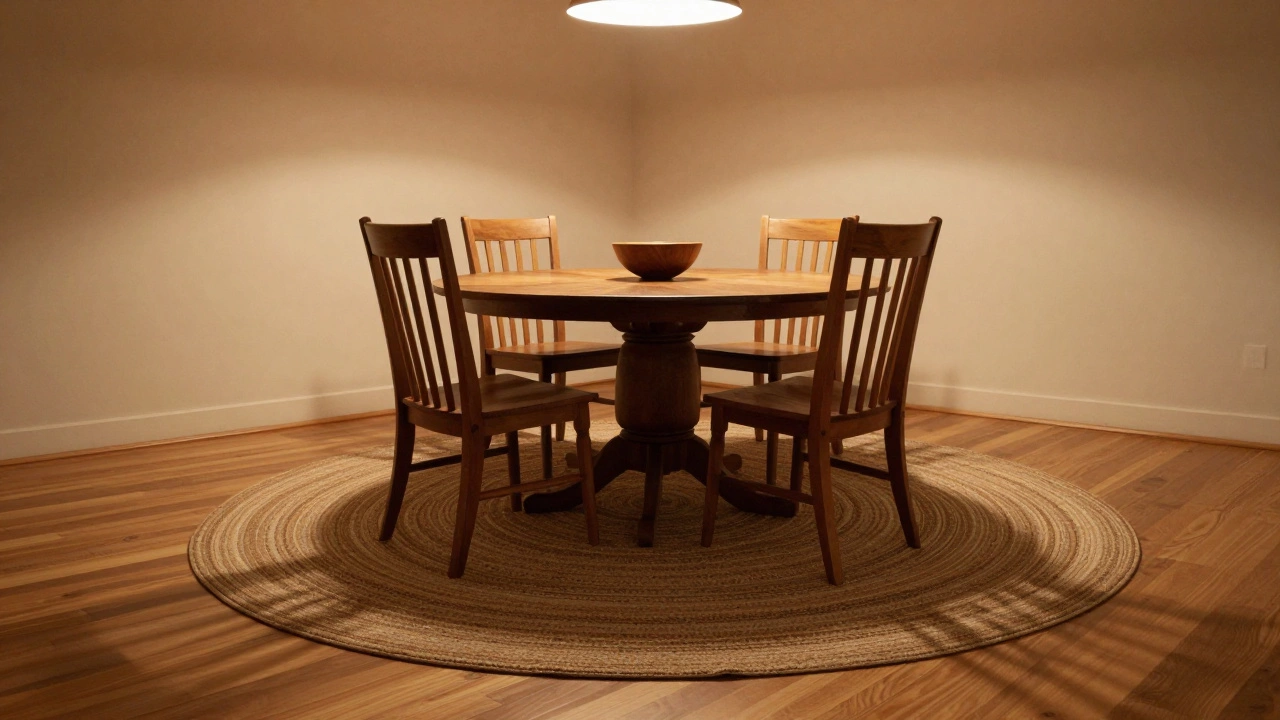
Square rooms sometimes feel boxy. Introducing a Round Rugcircular floor covering that softens architectural lines changes the perception immediately. These work perfectly above beds in bedrooms or under pedestal dining tables. The lack of corners means chairs won't get stuck on the edge when pulled out. That small detail stops friction sounds and physical snags during daily life.
Dining tables change their footprint constantly as chairs move back and forth. With a circle, you give guests room to slide back without catching a rug corner on their shoes. Just measure carefully. If the rug is too small under a large round table, chairs end up half-on and half-off the carpet, making them wobble dangerously.
Oval rugs provide a similar flow but allow for slightly longer traffic paths. They fit better along fireplace hearths or in entryways where space isn't perfectly circular. These shapes guide feet naturally toward the door rather than stopping abruptly. They serve as a bridge between hard surfaces like tile and softer zones.
Running Length: Hallway and Kitchen Zones
Halls and kitchen galley spaces demand a different strategy entirely. You do not want to block the path. A Runner Ruglong narrow rug designed for high-traffic corridors protects the underlying floor from scuffs while allowing passage. The width should be roughly two-thirds of the total hallway width.
Kitchens see heavy foot traffic near sinks and ovens. Placing a runner perpendicular to cabinetry keeps your feet dry if spills happen near the sink. Synthetic materials hold up better here than delicate wool since they resist water damage and stain easily. In older Auckland terraces with narrow passageways, this specific rug type preserves light movement through cramped corridors.
Make sure the material has a non-slip backing. Sliding accidents happen frequently on smooth concrete floors. If the runner moves when you step on it, you create a trip hazard that negates the safety benefits of having grip underfoot.
Statement Pieces: Organic and Irregular Shapes
Sometimes you just want the floor to be art. Irregular shapes like clouds, splashes, or abstract outlines exist mainly for decorative impact. These function well in kids' play areas or creative studios where formal rules don't apply. They shouldn't dictate the furniture layout because trying to match straight lines to wavy edges causes visual tension.
These rugs act like wall paintings lying flat on the ground. Treat them similarly; let them stand alone rather than trying to force other furniture into matching shapes. They draw eyes upward toward the centre of the room rather than defining boundaries. Cleaning becomes trickier because vacuums struggle with uneven edges unless you use specialised attachments designed for fringe borders.Consider maintenance costs before buying something unique. Custom weaving often costs significantly more mass-produced options. Over a few years, sunlight might fade distinct colours differently across an asymmetrical surface, which you wouldn't notice on a patterned rectangle.
Sizing Rules That Prevent Regrets
Size mistakes cost more in replacements than getting the right thing initially. Measure your available floor space first, then subtract twenty centimetres from walls on all sides. Never buy a rug that touches walls on all four points; it looks shodgy. Always maintain a margin of bare flooring to frame the textile.
A common error involves buying a rug too small for the seating area. If coffee table legs hang over the edge, the furniture looks disjointed. Aim for the rug to extend at least thirty centimetres past the front edge of the sofa. This ensures people don't kick the rug when shifting positions during movie nights.
| Shape Type | Best Used In | Ideal Dimensions | Traffic Flow |
|---|---|---|---|
| Rectangular | Living Rooms, Bedrooms | 2m x 3m, 2.5m x 4m | Open Grid |
| Round | Dining Rooms, Bedside | 1.5m diameter, 2m diameter | Radial Movement |
| Runner | Hallways, Kitchens | 0.6m wide x 2m+ length | Linear Path |
| Oval | Foyers, Entryways | 1m x 1.8m | Guided Curve |
Matching Materials to Lifestyles
Shape dictates nothing without considering durability. Wool lasts longer than polyester in busy households. Synthetic blends manage moisture better in laundry-prone rooms. In coastal regions like Auckland, humidity changes affect natural fibres differently than man-made ones. You need to ask the seller specifically about shrinkage rates.
Carpets installed across the whole floor offer uniform warmth but limit ventilation underneath. Loose area rugs allow air to circulate under flooring boards which stops mould growth in damp climates. If pets scratch at corners, thick pile hides marks better than low-density weaves.
Common Pitfalls to Avoid Before Buying
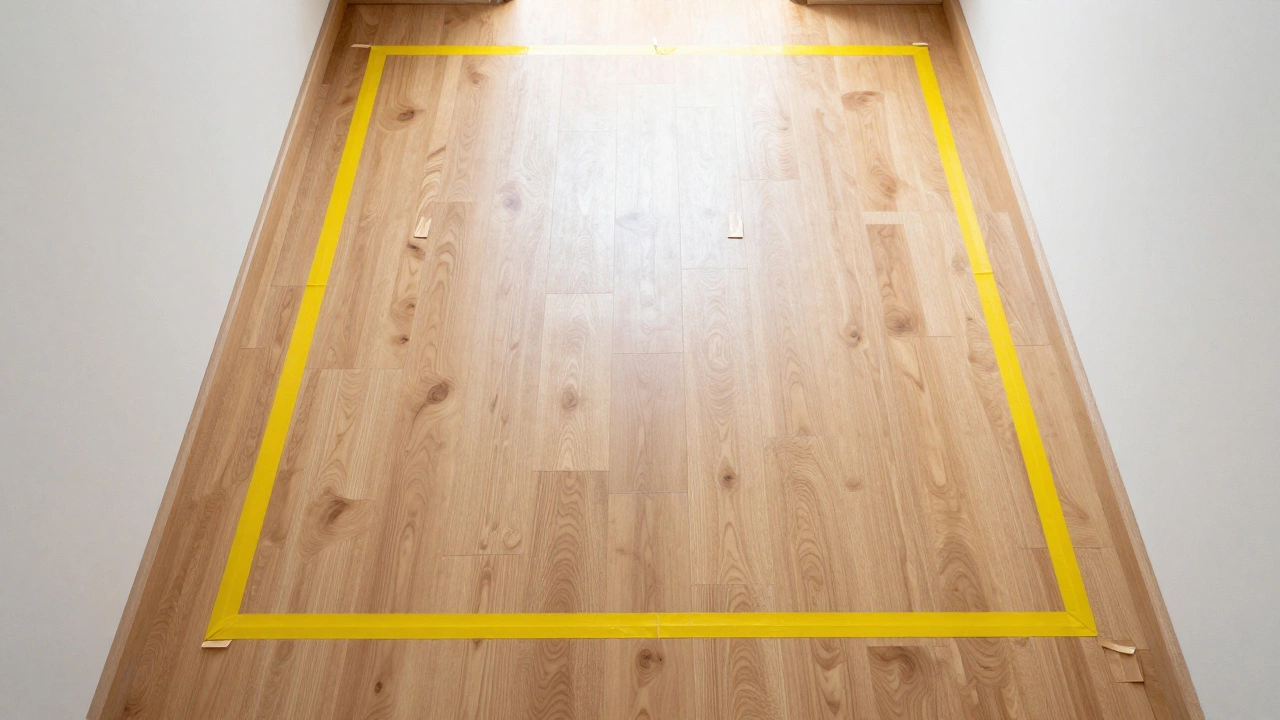
Buying online without measuring exact parameters leads to returns that waste packaging materials and delivery fees. Print out a life-sized outline using masking tape on the floor to test shapes physically. Walk around the taped area. Notice how you step in and out of that zone.
Another frequent mistake is ignoring door clearance. If the rug bunches up where a cabinet door swings open, the mechanism jams eventually. Leave three inches clearance on door paths always. This prevents tripping hazards when opening cupboards or fridge doors late at night.
Lastly, do not try to layer multiple rugs of conflicting shapes. Patterns clash when geometric squares fight with curved lines beneath them. Stick to neutral bases for layered arrangements so the top layer stands out without competing for attention.
Frequently Asked Questions
Which rug shape works best for a square living room?
Square rooms often look balanced with a large rectangular rug placed centrally. It maintains symmetry even if the space is technically square. Round rugs can also break up the rigid geometry effectively.
How much floor should I leave uncovered around a rug?
Experts recommend leaving at least ten to eighteen inches of bare floor visible between the rug edge and the wall. This frames the space and makes the room appear larger.
Is it okay to use a runner rug in the kitchen?
Yes, runner rugs are excellent for kitchens as long as they have non-slip backing. Place them perpendicular to counters for maximum utility.
Do round rugs require special cleaning methods?
Vacuuming techniques remain the same, but rotating the rug once a month helps prevent uneven wear on circular edges since traffic patterns hit the same spots repeatedly.
Can I mix different rug shapes in adjacent rooms?
Mixing shapes works well if they share a common colour palette. A round rug in the dining room flowing into a rectangular rug in the living area creates variety without chaos.
Moving Forward With Your Selection
Choosing the right shape takes a bit of measurement and patience, but the result pays off in comfort and style. Once you understand how rectangular, round, or runner options affect the room dynamics, you stop guessing and start designing. Take photos of your room with the tape layout included. These pictures help you visualize the final result before spending money on a custom order.