Curtain Length & Style Calculator
Enter your window measurements to find the ideal fabric length and see which hanging style suits your lifestyle.
Window Measurements
Lifestyle Factors
Enter details to see your perfect curtain fit.
You’re standing on a step ladder, tape measure in hand, staring at your freshly hemmed drapes. They look good, but there’s that nagging question: can curtains be 2 inches off the ground? It’s a debate that has plagued DIY decorators and professional stylists alike for decades. Some swear by the "puddle" for drama, while others insist anything touching the floor is a dust magnet waiting to happen.
Here is the short answer: Yes, they can. In fact, for many modern homes, especially those with high traffic or pets, a small gap is not just acceptable-it’s preferred. But before you cut your fabric, you need to understand what that 2-inch gap actually does to the perception of your room. This isn’t just about hygiene; it’s about optical illusion and style intent.
The Three Ways to Hang Curtains (and Why It Matters)
To decide if 2 inches is right for you, you first need to know where it sits on the spectrum of curtain lengths. Interior design generally recognizes three main categories of Curtain Length. Choosing between them changes the vibe of the entire room instantly.
- Floating: The bottom edge of the curtain hangs 1-4 inches above the floor. This is clean, modern, and practical.
- Kissing: The curtain just barely touches the floor without bending. This is the traditional standard for formal dining rooms and living areas.
- Puddling: The fabric extends 6-12+ inches onto the floor, creating a gathered pile. This adds luxury and height but requires maintenance.
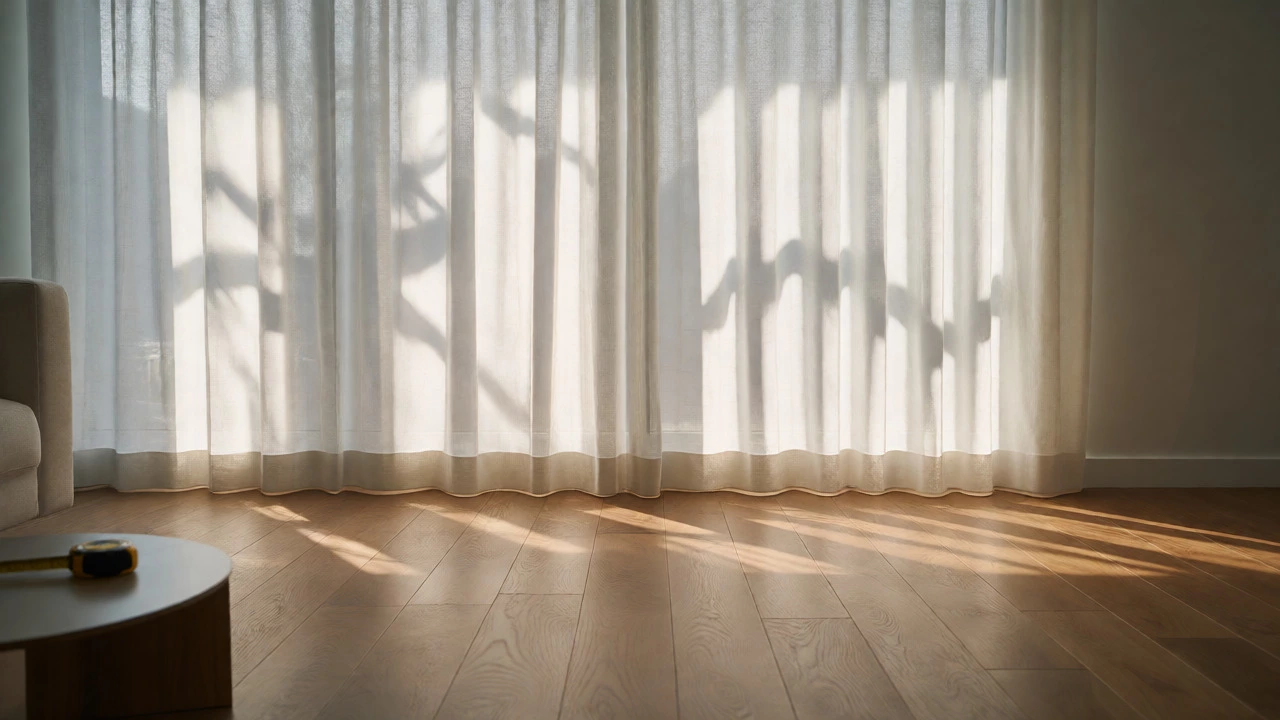
A 2-inch gap falls squarely into the "Floating" category. This style is often seen in contemporary apartments, children’s rooms, and spaces with underfloor heating. It creates a crisp line that draws the eye upward, making ceilings appear higher because the vertical line of the fabric ends cleanly rather than getting lost in a puddle.
When You Should Leave That Gap
Why would you intentionally leave space between your expensive linen and your hardwood floors? It usually comes down to practicality clashing with aesthetics. If you have any of the following scenarios, a 2-inch gap is likely your best friend.
Underfloor Heating Systems: If you live in Auckland like I do, or anywhere else with hydronic or electric underfloor heating, blocking airflow is a bad idea. Heavy drapes resting on the floor can trap heat, reducing efficiency and potentially damaging certain synthetic fabrics over time. A gap allows warm air to circulate freely.
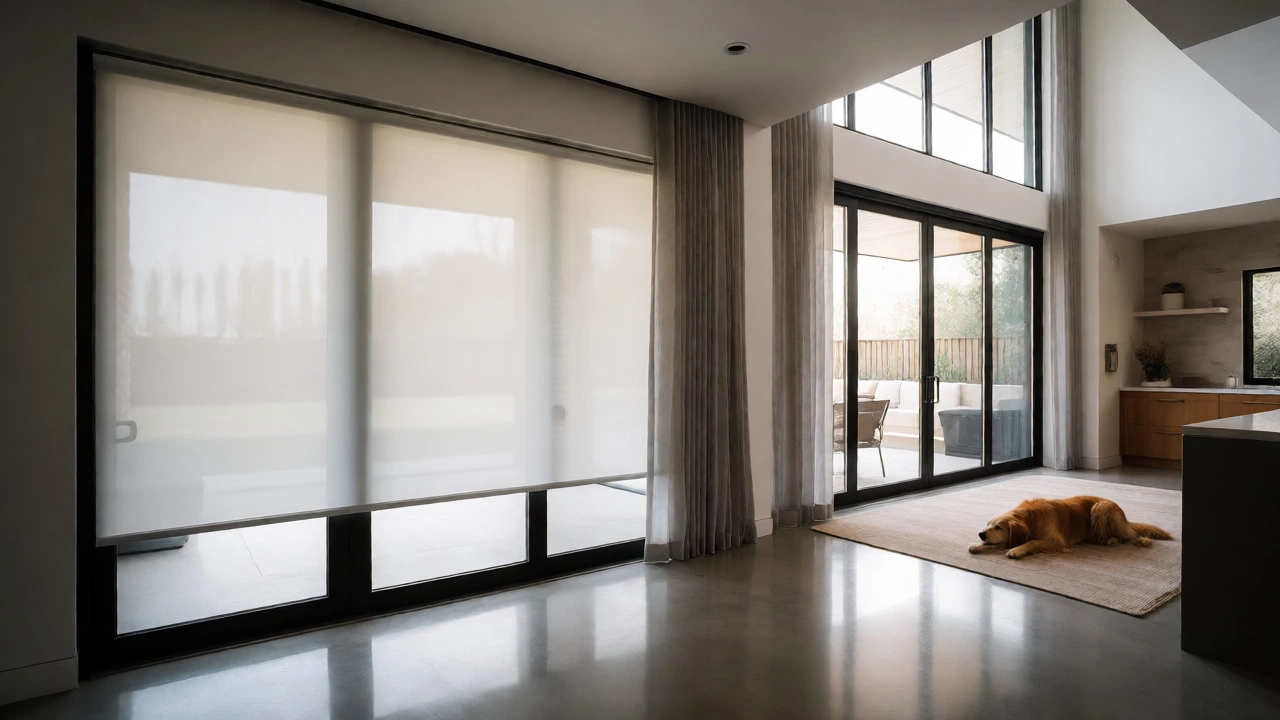
Pets and Kids: Let’s be real. If you have a Golden Retriever who loves to roll around, or toddlers who use the floor as their primary playground, curtains that touch the ground become mops. They collect hair, crumbs, and sticky residue. A 2-inch clearance means you can vacuum underneath easily, and the fabric stays cleaner for longer. You aren’t washing them every two weeks just because Fluffy sat on them.
High-Traffic Areas: Hallways, entryways, and open-plan kitchens see a lot of foot traffic. Fabric that brushes the floor gets dirty faster and shows wear along the hemline. Keeping it floating preserves the integrity of the material.
When You Should Ignore the Gap
Conversely, there are times when leaving 2 inches looks unfinished, almost like you forgot to buy enough fabric. Context is everything here.
If you are going for a Traditional or Formal Style, such as Victorian, Georgian, or classic American Colonial, the expectation is a full break or a kiss. These styles rely on weight and drape to convey opulence. A floating curtain can look cheap or accidental in these settings.
Additionally, consider the Window Sill depth. If your windows have deep sills (common in older New Zealand villas), a floating curtain might expose the sill too much, breaking the visual continuity. In these cases, letting the fabric graze the floor ties the window treatment to the architecture more securely.

How to Measure for a 2-Inch Gap
Getting exactly 2 inches off the ground sounds simple, but it’s tricky because floors aren’t always level. Here is how to get it right without guessing.
- Measure from the Floor Up: Don’t measure from the ceiling down. Floors slope. Measure from the finished floor surface up to the top of your curtain rod bracket. Do this at the left, middle, and right side of the window. Use the shortest measurement if you want to guarantee no dragging, or the longest if you don’t mind a slight unevenness (which is often invisible).
- Account for Hardware: Subtract the drop of your rings or hooks. If you use clip-on rings, the curtain starts lower than the rod. If you use pleated headings sewn directly to the tape, the calculation differs.
- Subtract Your Desired Gap: Take your total measured height and subtract 2 inches. This is your net fabric length.
- Add Hem Allowance: Remember, you need extra fabric for the bottom hem (usually 3-4 inches). So, if you want the visible part to end 2 inches off the floor, your actual fabric needs to be longer to account for the fold.
| Style | Distance from Floor | Best For | Maintenance Level |
|---|---|---|---|
| Floating | 1-4 inches | Modern homes, kids/pets, underfloor heating | Low |
| Kissing | 0 inches (touching) | Formal living rooms, bedrooms, minimalists | Medium |
| Puddling | 6+ inches | Luxury suites, low-traffic areas, dramatic effect | High |
The Optical Illusion Factor
One reason people hesitate to go with a gap is fear that the room will look smaller. Actually, the opposite is often true. When curtains pool on the floor, the visual line stops abruptly. When they float, the eye travels up the vertical line of the fabric uninterrupted until it hits the rod. If you mount your rods close to the ceiling (a pro tip we’ll cover later), this vertical stretch makes the room feel taller.
However, color plays a role here. Dark curtains against light walls create a strong contrast. If the line ends 2 inches above the floor, that contrast line is very sharp. With lighter curtains or matching wall colors, the boundary is softer, and the gap becomes less noticeable, allowing the room to feel airy and open.
Common Mistakes to Avoid
I’ve seen plenty of attempts at the "perfect gap" go wrong. Here are the pitfalls.
Inconsistent Rod Height: If you have multiple windows in one room, ensure all rods are at the same height from the floor. If one window is 2 inches off and another is 4 inches off due to sloppy measuring, the mismatch will scream "amateur."
Ignoring Fabric Shrinkage: Natural fibers like cotton and linen shrink. If you wash them hot, they might shrink an inch. Always pre-wash and iron your fabric before final measuring, or add an extra inch to your length calculation to be safe.
Too Much Gap: There is a difference between 2 inches and 6 inches. Once you go past 4 inches, it starts looking like a mistake. The fabric should feel intentional, not short. Keep it tight.
Pro Tips for the Perfect Finish
If you commit to the 2-inch rule, here is how to elevate the look.
- Rod Placement: Mount the rod 4-6 inches above the window frame, or even closer to the ceiling. This maximizes the amount of glass exposed when curtains are open and enhances the height illusion.
- Width Matters: Ensure your curtains are wide enough. They should be 2-2.5 times the width of the window. Thin curtains hanging 2 inches off the floor look sparse. Fullness hides imperfections and adds luxury.
- Weighted Hems: Add lead weights or heavy chain to the bottom hem. This keeps the fabric straight and prevents it from billowing up in drafts, which can make a 2-inch gap look erratic.
Frequently Asked Questions
Is it okay if curtains touch the floor?
Yes, absolutely. Touching the floor (known as "kissing") is a classic, elegant choice for formal spaces. It works well in bedrooms and living rooms where traffic is controlled. Just be aware that they may pick up dust and require more frequent cleaning than floating options.
How far should curtains hang below the window sill?
If you aren't doing floor-length curtains, they should hang at least 6 inches below the window sill. Anything shorter looks awkward and cuts off the natural flow of the window. However, floor-length is generally preferred for a more polished, custom look.
Do long curtains make a room look bigger?
Yes, provided they are hung high and wide. Long vertical lines draw the eye upward, creating the illusion of higher ceilings. Floating curtains enhance this effect by keeping the vertical line clean and unbroken by floor debris or shadows.
What is the standard curtain length?
There is no single universal standard, but common ready-made lengths are 84, 96, and 108 inches. Custom orders allow you to specify exact measurements. For most modern homes, custom lengths are recommended to achieve the precise 2-inch or kissing fit.
Can I use floating curtains in a bedroom?
Definitely. In fact, many designers prefer floating curtains in master bedrooms for cleanliness and ease of access. It prevents the hem from dragging across carpet or rugs, which can cause wear and tear over time.