Shelving ROI Calculator
Estimate whether your shelving project adds value or just looks good. Select your project details below.
Enter your project details to see if your shelving is an investment or a decoration.
You’re standing in your living room, staring at that empty wall. You’ve got books, plants, maybe a few family photos that need a home. The obvious fix is shelving. But here’s the nagging question: if you spend money on shelving, does it actually add value to your house when you sell it?
The short answer? It depends. Not on whether shelves look nice-they do-but on what kind of shelves they are and where you put them. In Auckland, like most markets, buyers aren’t paying extra for floating pine boards from a big-box store. They are, however, noticing custom work. Let’s break down exactly how shelving impacts your property’s worth, separating the hype from the hard numbers.
The Difference Between Decor and Investment
First, we need to draw a line in the sand. There is a massive difference between "decor" and "home improvement." A bookshelf you bought from IKEA and placed against a wall is decor. If you move out, you take it with you. It adds zero value to the property because it isn’t part of the building structure.
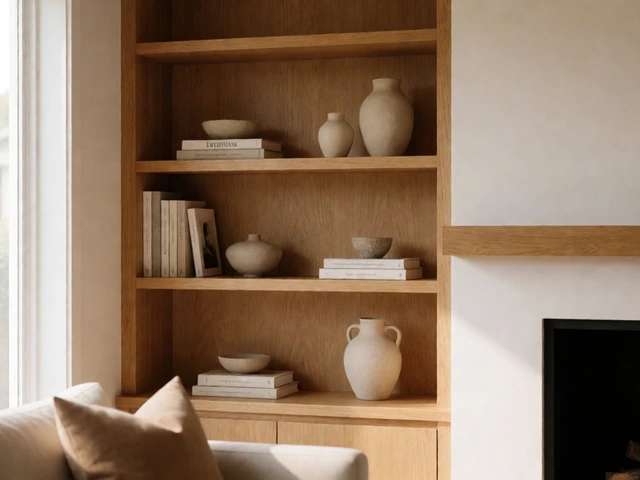
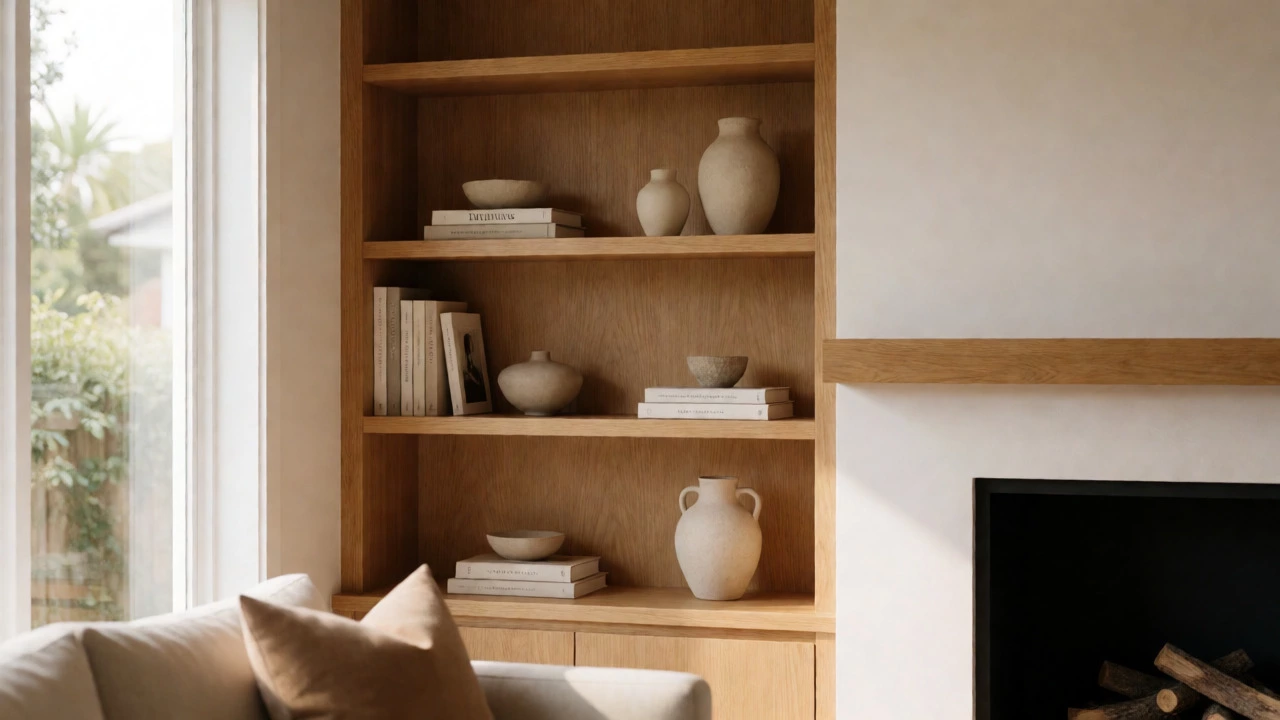
Built-in shelving, on the other hand, is an improvement. It is fixed to the walls, often painted to match the room, and considered permanent by potential buyers. This is where the value conversation starts. When appraisers or real estate agents walk through a home, they look for features that stay behind. Built-ins signal quality and thoughtful design, which can nudge the perceived value up.
Think of it this way: if you install a new kitchen tap, that’s an upgrade. If you buy a fancy soap dispenser, that’s decoration. Shelving works the same logic. Unless it’s anchored, customized, and integrated into the architecture, don’t expect your bank balance to change.
Where Shelving Actually Adds Value
Not all rooms are created equal when it comes to return on investment (ROI). Putting shelves in a spare bedroom might be great for your hobby collection, but will it help you sell? Probably not much. But certain areas have proven track records for adding functional value that buyers care about.
The Kitchen Pantry
A well-organized pantry is a huge selling point. Modern buyers love a walk-in pantry with adjustable shelving. It screams organization and storage capacity. If you retrofit a small cupboard with high-quality pull-out drawers or sturdy wooden shelves, you’re solving a pain point. Buyers hate cluttered cupboards. Showing them a system that keeps flour, sugar, and cans accessible makes the kitchen feel larger and more usable.
The Laundry Room
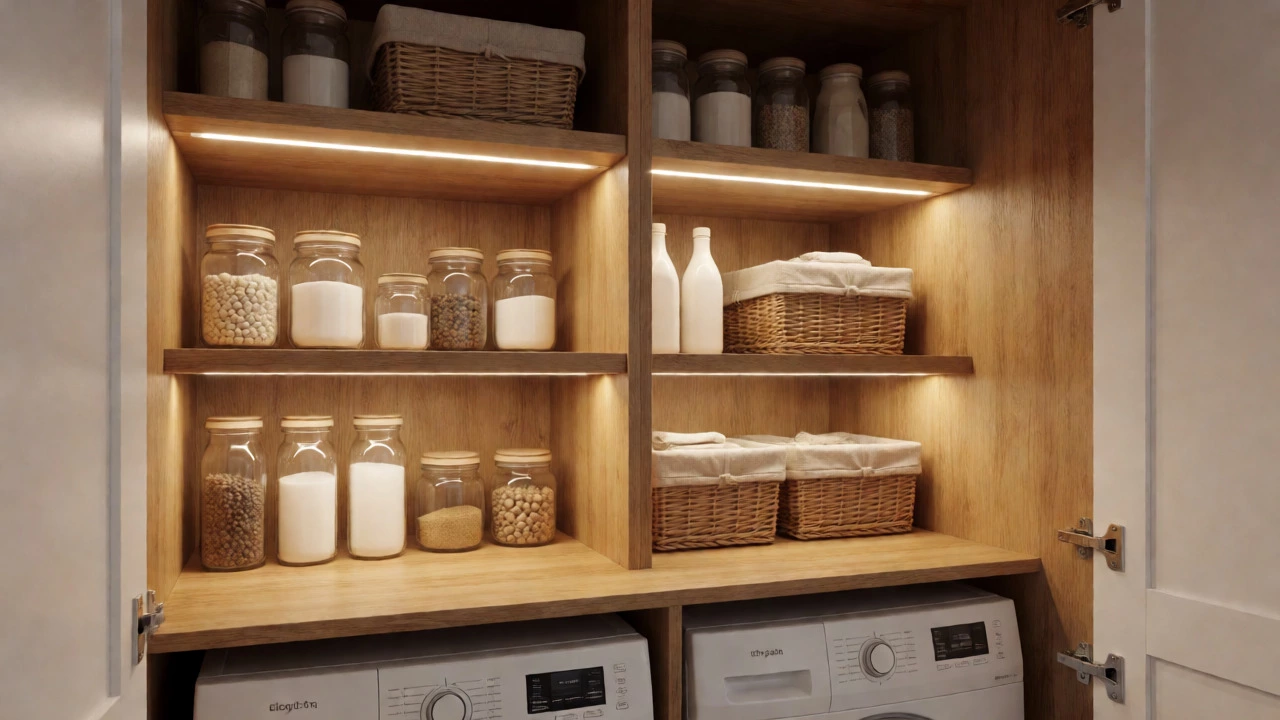
In New Zealand homes, laundry spaces are often cramped. Adding overhead shelving above the washer and dryer creates instant utility. It gives a place for detergent, ironing boards, and baskets. It doesn’t cost a fortune-maybe $200-$500 for materials if you DIY-and it turns a dead space into a working zone. Agents often highlight this as a "bonus feature" in listings.
The Entryway
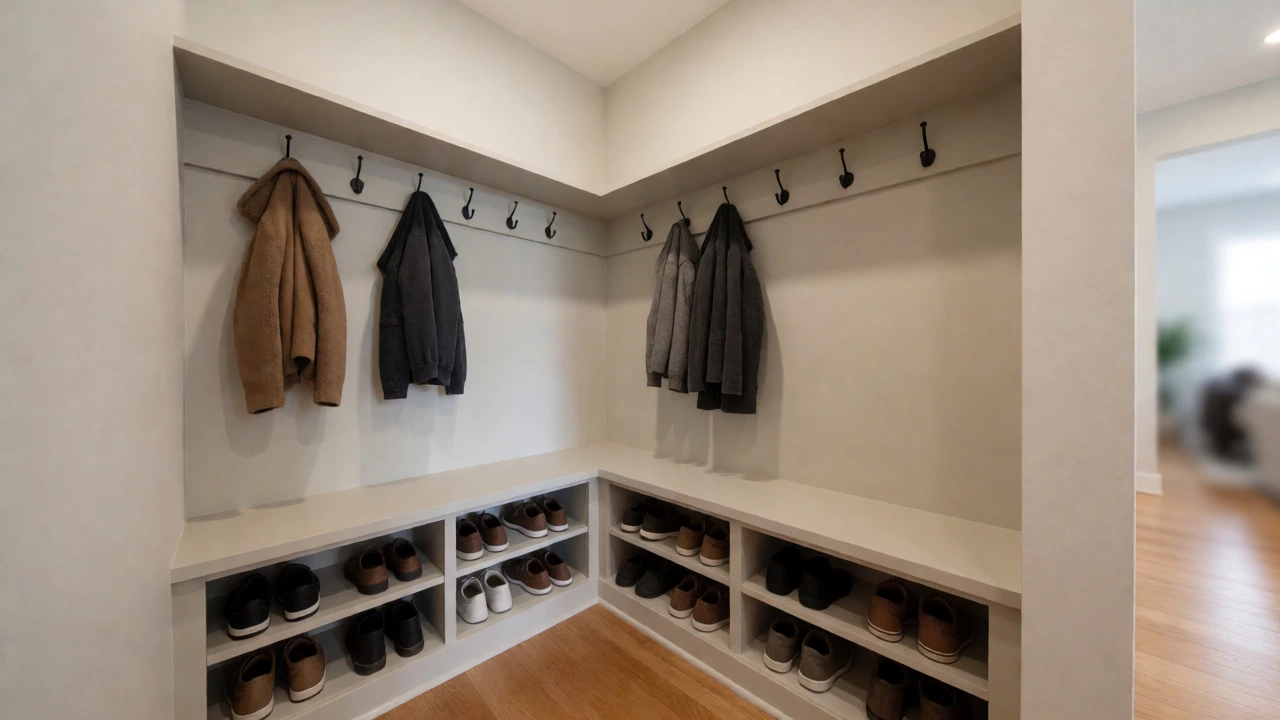
First impressions matter. A mudroom setup with hooks and lower shelving for shoes prevents the hallway from looking chaotic during open houses. It shows the home has practical storage solutions. This is especially true in older villas or bungalows where closets are scarce. You’re not just adding wood; you’re adding lifestyle convenience.
The Cost vs. Return Reality Check
Let’s talk numbers. How much does it actually cost, and how much can you get back? This varies wildly based on labor and material quality.
| Shelving Type | Avg. Cost (NZD) | Perceived Value Add | Buyer Appeal |
|---|---|---|---|
| Floating Shelves (DIY) | $100 - $300 | Low | Neutral |
| Freestanding Bookcases | $200 - $800 | Zero (Personal Property) | None |
| Custom Built-ins (Living Room) | $2,000 - $5,000+ | Moderate | High |
| Pantry Organization System | $500 - $1,500 | High | Very High |
Notice the trend? The more expensive and permanent the solution, the higher the perceived value. However, rarely do you recoup 100% of the cash spent. If you drop $5,000 on custom oak cabinetry around your fireplace, you might only see a $2,000-$3,000 bump in the final sale price. Why? Because taste is subjective. One buyer loves the wood finish; another wants to rip it out and paint it white.
But here’s the twist: even if the direct financial ROI is under 100%, the *speed* of the sale increases. Homes with visible, organized storage sell faster. And in a hot market, speed equals leverage. You might not get more money per square meter, but you’ll avoid months of holding costs.
Design Mistakes That Kill Value
You can actually lose value if you do it wrong. I’ve seen homeowners sabotage their own efforts with poor choices. Here’s what to avoid:
- Over-cluttering: More shelves aren’t always better. Too many divisions make a room feel busy and smaller. Keep lines clean and spacing generous.
- Wrong Material: Particleboard that swells if it gets damp looks cheap. In bathrooms or kitchens, moisture resistance matters. Use solid timber or high-quality laminates.
- Poor Lighting: Dark shelves look like holes in the wall. Integrated LED strip lighting under shelves makes the space pop and feels premium. It’s a small detail with a big visual impact.
- Inconsistent Style: If your house is modern minimalism, don’t install rustic farmhouse barn wood shelves. Mismatched aesthetics confuse buyers and suggest a lack of coherent design vision.
Also, consider the color. Painting shelves the same color as the wall makes them disappear, creating an illusion of space. Contrasting colors highlight the storage itself. Which one works depends on your goal: hide the clutter or showcase the organization?
DIY vs. Professional Installation
Should you hire a carpenter or grab a drill? For simple floating shelves, DIY is fine. But for anything structural or complex, professional installation pays off in credibility.
When a buyer sees wobbly shelves or crooked brackets, they wonder about the rest of the craftsmanship in the house. Did the electrician cut corners? Was the plumbing done right? Sloppy shelving raises red flags. A pro ensures the shelves are level, securely anchored to studs, and finished cleanly. This subtle sign of quality reassures buyers that the home has been maintained with care.
In Auckland, labor rates are significant. Expect to pay $70-$100 per hour for a skilled tradesperson. For a standard three-shelf unit, budget two to four hours including prep and cleanup. Weigh that against the risk of damaging drywall or having to redo the job later.
How to Present Shelving to Potential Buyers
You’ve installed the shelves. Now, how do you make sure buyers notice them? Staging is key.
Don’t leave shelves bare. Bare shelves look cold and unused. Don’t overfill them either. Aim for the "rule of thirds": one-third books, one-third decorative objects (vases, art), and one-third empty space. This balance suggests style without suggesting clutter.
Take good photos. Natural light hitting the shelves highlights the texture of the wood and the depth of the storage. In online listings, these images stop the scroll. Mention "custom built-ins" or "enhanced storage solutions" in the property description. Keywords matter here too. Agents should know to point these features out during inspections.
If you’re selling soon, remove personal items. Family photos are lovely, but buyers want to imagine their own stuff there. Neutral styling helps them visualize their life in your home.
Final Verdict: Is It Worth It?
So, does shelving increase home value? Yes, but selectively. Freestanding furniture? No. Cheap, temporary fixes? Barely. Custom, well-placed built-in shelving in high-traffic areas like kitchens, laundries, and entryways? Absolutely.
It’s not just about the dollar figure added to the appraisal. It’s about making your home more desirable than the competition. In a market full of similar houses, the one with smart, attractive storage wins. If you plan to live in the home for years, enjoy the functionality now. If you’re selling soon, focus on the high-impact zones and keep the design neutral and clean.
Remember, home value is partly emotional. When a buyer walks in and thinks, "Wow, this house is so organized," you’ve already won half the battle.
Do floating shelves add value to a home?
Generally, no. Floating shelves are usually considered personal property or minor decor unless they are permanently fixed and custom-made. While they improve aesthetics, they rarely contribute significantly to the appraised market value compared to built-in cabinetry or structural storage solutions.
What is the best location for shelving to increase resale value?
Kitchens (pantries), laundry rooms, and entryways offer the highest return. These areas solve specific storage problems that buyers actively look for. Living room built-ins can also add value if they are high-quality and match the home's architectural style, but they are less critical than functional utility spaces.
Should I paint my shelves the same color as the walls?
It depends on the effect you want. Painting shelves the same color as the walls makes them blend in, which can make a small room appear larger and cleaner. Using a contrasting color highlights the storage capability and adds visual interest. For resale, neutral tones that complement the existing trim are usually the safest bet to appeal to broad tastes.
Is it cheaper to install shelving myself or hire a pro?
DIY is significantly cheaper upfront, saving on labor costs which can range from $70 to $100+ per hour in NZ. However, for complex built-ins or heavy loads, professional installation ensures safety and precision. Poor DIY work can detract from value, so weigh the cost savings against the risk of visible errors.
Do buyers prefer open shelving or closed cabinets?
This varies by demographic. Younger buyers often prefer open shelving for its airy, modern look and accessibility. Older buyers or those with large families may prefer closed cabinets to hide clutter and dust. A mix of both offers the best compromise, providing display space while keeping everyday items tucked away.