Home Storage Opportunity Cost Calculator
Use this tool to estimate how much your home's real estate value is being "locked up" by storing non-essential items, compared to the cost of renting a small external storage unit.
Capital Locked in Storage
Value of space currently holding dust:
Cost to Rent Externally
Total rent paid over 5 years:
The Verdict
| Metric | In-House Storage | External Self-Storage |
|---|---|---|
| Financial Impact | High (Dead Capital) | Low (Predictable Expense) |
| Space Efficiency | Reduces Livable Area | Frees Up Home Space |
| Risk Factor | Mold, Pests, Theft | Climate Controlled, Secure |
You just moved into your new place, or maybe you’re finally tackling that overflowing garage. The idea of keeping everything under one roof feels efficient, right? No monthly bills, no driving across town to grab a box. But here’s the reality check: in-house storage is the practice of storing personal belongings within one’s own residential or commercial property rather than using external facilities. While it seems like the obvious money-saver, it often hides a steep price tag in terms of lost square footage, rising utility bills, and mental stress.
If you’ve ever felt like your home is shrinking because of boxes stacked in the corner, you aren’t alone. Many people underestimate how much physical space their stuff actually consumes until they try to live around it. This article breaks down exactly why keeping all your inventory at home might be costing you more than you think, and when it makes sense to look elsewhere.
The Hidden Cost of Square Footage
Let’s do some quick math. If you live in Auckland, where median house prices hover around $1 million, every square meter you use for storage is effectively dead capital. You aren’t just paying for the walls; you’re paying for the air inside them. When you dedicate a spare room, a large section of the hallway, or half the garage to storing winter coats, old books, or seasonal gear, you are locking up value.
Think about it this way: if your storage area takes up 10 square meters, and your home is valued at $8,000 per square meter, you have essentially parked $80,000 worth of real estate holding nothing but dust. That’s not an investment; that’s a liability. External self-storage units are secure, climate-controlled spaces rented by individuals to store goods externally allow you to reclaim that valuable living space. By moving non-essential items out, you can turn that cramped corner into a home office, a reading nook, or simply open up the floor plan to make your actual living areas feel larger and more breathable.
Climate Control and Environmental Risks
Your home isn’t designed to protect sensitive items year-round. Most houses fluctuate wildly in temperature and humidity depending on the season and how often windows are opened. In New Zealand, dampness is a notorious enemy. Without proper ventilation, stored items in cupboards or garages are prone to mold, mildew, and rust.
Professional storage facilities offer climate-controlled environments storage spaces with regulated temperature and humidity levels to prevent damage to sensitive items. They keep the air dry and cool, which is critical for preserving electronics, wooden furniture, artwork, and leather goods. At home, you’re gambling with the elements. A leaky roof, a burst pipe, or even just high summer humidity can ruin decades-old memories or expensive equipment in hours. Insurance policies often exclude gradual damage from mold or pests, leaving you to foot the bill for replacements.
Security Vulnerabilities
We tend to think our homes are fortresses, but they are also accessible places. Burglars know that people hide valuables in bedrooms and garages. When you keep everything at home, you increase the target profile. If someone breaks in, they don’t just take what’s visible; they ransack the whole house looking for hidden treasures.
Contrast this with modern storage facilities. These sites typically feature on-site security systems comprehensive safety measures including CCTV surveillance, gated access, and alarm monitoring. Gated entry means only authorized tenants can enter the premises. Individual units often have unique locks, and many facilities require two-factor authentication or biometric scans for entry. It’s a layer of protection that standard home locks rarely match. Plus, if you’re away on holiday, your home sits empty and vulnerable, whereas your storage unit remains part of a monitored community.

Mental Clutter and Psychological Impact
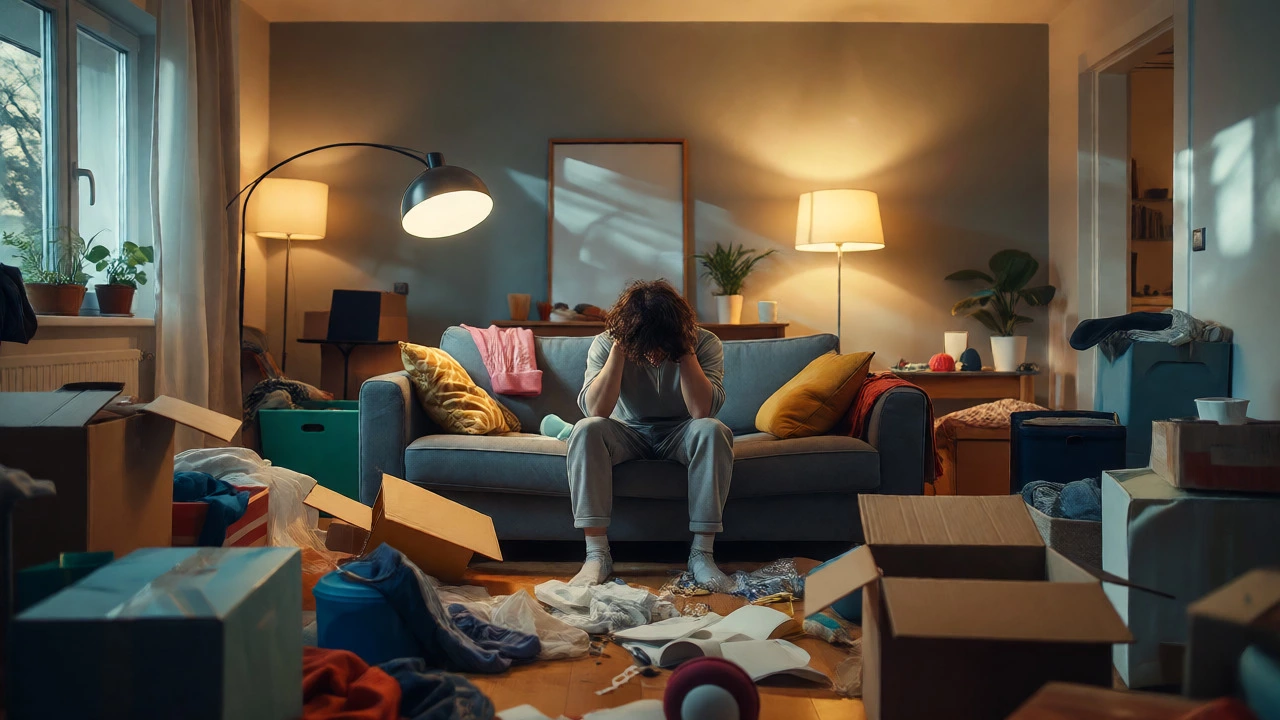
There’s a tangible link between visual chaos and mental stress. Psychologists call this "visual noise." When your eyes constantly register piles of unsorted boxes, unused appliances, or clothes you haven’t worn in years, your brain processes this as unfinished business. It creates a low-level hum of anxiety that never quite goes away.
Minimalist living a lifestyle focused on owning fewer possessions to reduce stress and increase focus suggests that removing excess items from sight improves cognitive function and relaxation. Your home should be a sanctuary, not a warehouse. By offloading items you need but don’t use daily, you create psychological separation between "living" and "storing." This distinction helps you relax faster when you walk through the door. You stop tripping over boxes and start enjoying the space you paid for.
Limited Accessibility and Organization
It sounds counterintuitive, but having things closer doesn’t always mean easier access. Home storage is often disorganized. Boxes get shoved behind other boxes. Items get buried. Finding that specific set of Christmas ornaments or the tax documents from three years ago becomes an archaeological dig. You end up buying duplicates because you couldn’t find the original, which wastes money and adds more clutter.
External storage encourages better organization habits. Because you have to drive there, you tend to pack smarter. You label clearly. You group similar items together. You treat the space with respect because you know you’ll have to navigate it again. Home storage invites laziness-just throw it in the corner and deal with it later. Spoiler alert: "later" rarely comes.
| Feature | In-House Storage | External Self-Storage |
|---|---|---|
| Cost Structure | High upfront (real estate value), low monthly cash flow | Low upfront, predictable monthly fees |
| Space Efficiency | Reduces livable area, creates visual clutter | Frees up home space, maintains clean aesthetics |
| Protection | Vulnerable to leaks, pests, humidity, theft | Climate-controlled, secure, pest-managed |
| Accessibility | Immediate, but often disorganized | Scheduled access, highly organized |
| Scalability | Fixed limit based on home size | Flexible; upgrade or downgrade unit size easily |
Pest Infestations and Hygiene Issues
Garages and basements are prime hunting grounds for spiders, mice, and silverfish. These creatures love cardboard boxes and undisturbed corners. Once they establish a colony, getting rid of them is difficult and expensive. Worse, they contaminate your belongings. Droppings, urine stains, and chewed wires can render items useless or hazardous to health.
Storage facilities undergo regular pest control treatments. They are sealed against common intruders and inspected frequently. Keeping food-related items or fabrics in a home environment without rigorous sealing invites trouble. In a controlled facility, the risk is significantly lower, protecting both your goods and your home’s hygiene standards.
When Does In-House Storage Make Sense?
It’s not all bad news. In-house storage works well for items you use weekly. Think kitchen tools, workout gear, or daily work supplies. Proximity matters here. If you need something every day, driving to a storage unit is inefficient. Also, if you live in a small apartment with zero outdoor space, a small closet solution might be your only option due to budget constraints.
However, for long-term holdings-things you touch once a year or less-the disadvantages pile up quickly. If you’re holding onto sentimental items, digitalization is often a better first step than physical storage. Scan photos, digitize documents, and let go of the bulk. For the rest, weigh the cost of your square footage against the monthly rent of a small unit. Often, the math favors letting go of the space.
Is in-house storage really cheaper than renting a unit?
Not necessarily. While you avoid monthly rent, you pay for the space through higher mortgage repayments, rates, and insurance. If you calculate the cost per square meter of your home versus the cost per square meter of a storage unit, home storage is often 5 to 10 times more expensive when factoring in opportunity cost.
How does humidity affect items stored at home?
Homes, especially older ones, lack consistent humidity control. High humidity promotes mold growth on fabrics and wood, while low humidity can cause cracking in musical instruments or furniture. Storage facilities maintain stable conditions, preventing these types of environmental damage.
Can I insure my items stored in my own home?
Yes, but coverage limits may apply. Standard home insurance covers contents, but it might not cover accidental damage caused by moisture or pests unless specified. Storage facilities often offer additional insurance options specifically tailored for stored goods, providing clearer coverage terms.
What items should never be stored in a home garage?
Avoid storing electronics, important paper documents, fine art, and leather goods in unconditioned garages. Temperature fluctuations and humidity can degrade these materials rapidly. Chemicals like paint or fuel also pose fire risks and fume hazards in living spaces.
Does decluttering improve home value?
Indirectly, yes. A clutter-free home appears larger and more inviting to potential buyers. Removing excess storage allows buyers to visualize the space’s potential, such as turning a boxed-up corner into a nursery or study, which can positively influence perceived value during viewings.