Bedroom Clutter Buster: Storage Planner
Select the types of clutter you want to hide and your approximate budget to see recommended hidden storage solutions.
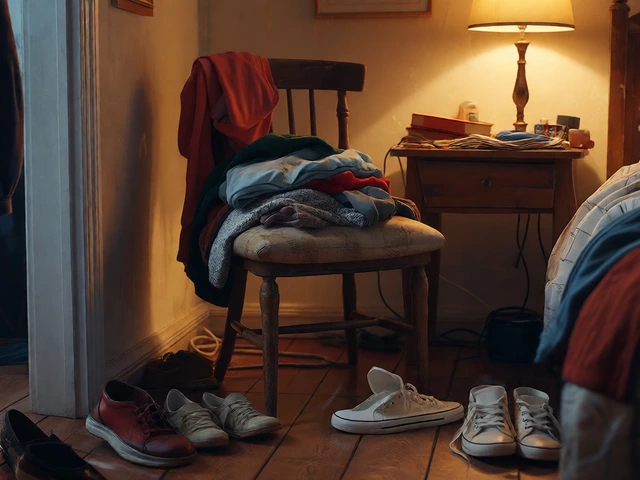
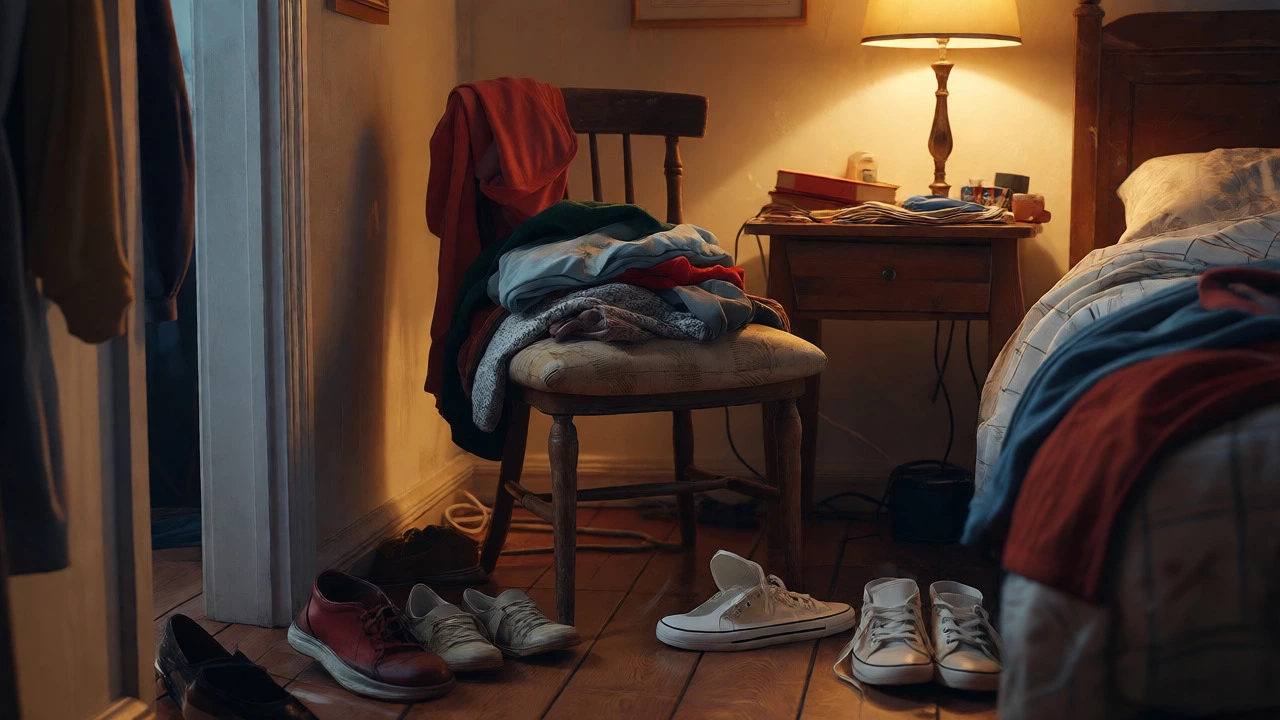
You walk into your bedroom after a long day, expecting peace. Instead, you’re greeted by a mountain of clothes on the chair, shoes scattered near the door, and random items piled on every flat surface. It’s frustrating, right? The problem isn’t usually that you have too much stuff; it’s that you don’t have enough hidden storage. Visible mess triggers stress because our brains interpret visual chaos as unfinished business. But here’s the good news: you don’t need a massive renovation or a bigger house to fix this. You just need to change where things live.
Hiding clutter is about more than shoving things into drawers. It’s about creating systems that make putting things away easier than leaving them out. Whether you rent a small apartment or own a spacious home, these strategies will help you reclaim your sanctuary. We’ll look at vertical space, furniture with secrets, and habits that keep surfaces clear. Let’s get your room looking calm again.
Look Up: Utilizing Vertical Space
Most people ignore the walls above eye level. That’s wasted real estate. When floor space is tight, going up is the smartest move. Think about installing floating shelves or tall bookcases that reach the ceiling. This draws the eye upward, making the room feel taller while hiding boxes and bins behind closed cabinet doors or stylish baskets.
Consider over-the-door organizers for shoes, accessories, or toiletries. They cost almost nothing and free up drawer space instantly. If you have a closet, use the inside of the door for hanging hooks. For wall-mounted solutions, ensure they are anchored properly to studs. In Auckland, many older homes have plasterboard walls that require specific anchors, so check your hardware before drilling. A simple rule: if it hangs, it doesn’t sit on your dresser. Less sitting means less dusting and fewer piles.
Furniture That Works Double Duty
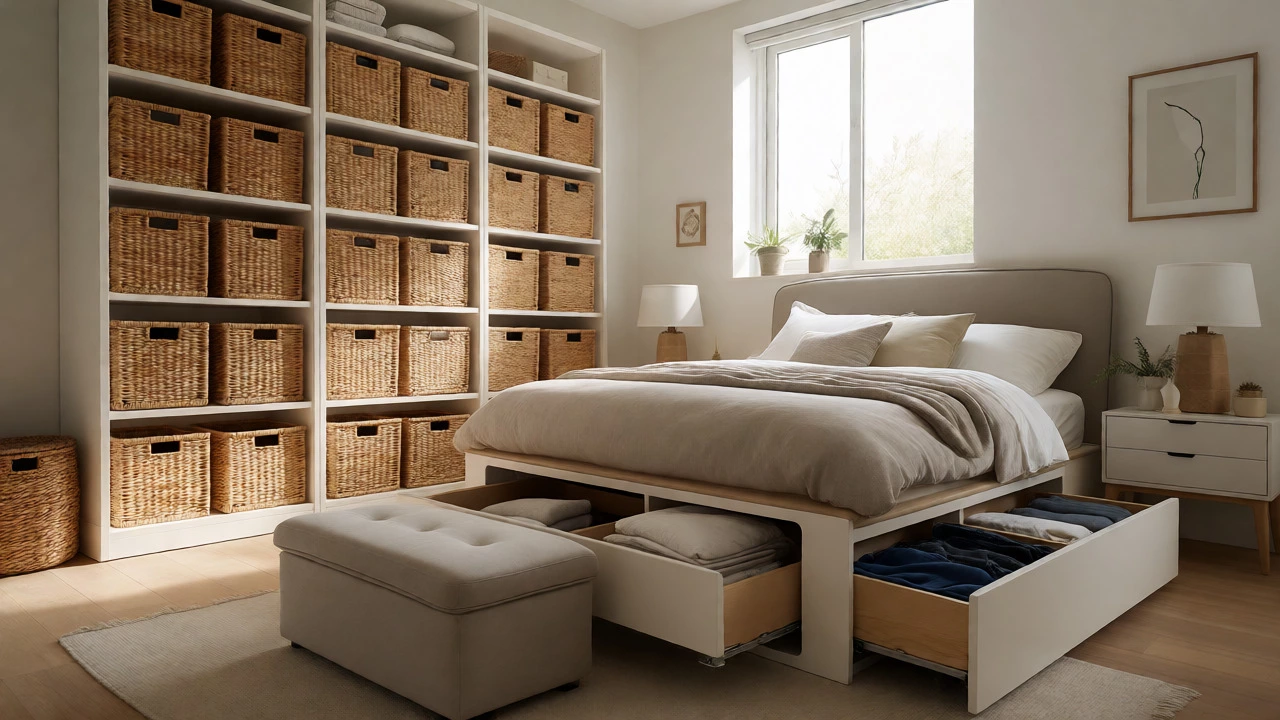
Your bedroom furniture should do more than hold your body. Modern design prioritizes multi-functional pieces that disguise storage as style. An ottoman with a hinged lid can hide extra blankets or off-season clothes. A bench at the foot of the bed offers seating and a place to stash shoes out of sight. These pieces blend seamlessly into decor, so guests never know there’s a treasure trove of chaos underneath.
Bed frames with built-in drawers are a game-changer. Unlike traditional beds, these models feature large, smooth-gliding drawers beneath the mattress. They’re perfect for bulky items like duvets, pillows, or winter coats that don’t fit in standard wardrobes. If buying a new frame isn’t an option, look for bed risers. Lifting your existing frame by just 10 centimeters creates enough clearance for low-profile rolling bins. Just make sure the bins match your aesthetic-neutral colors work best to maintain a clean look.
| Furniture Type | Best For | Capacity Estimate | Cost Range (NZD) |
|---|---|---|---|
| Ottoman with Lid | Bulky linens, seasonal clothes | 50-80 liters | $150 - $400 |
| Storage Bed Frame | Large volume items, bedding | 300-600 liters | $800 - $2,500 |
| Nightstand with Drawers | Books, electronics, personal items | 10-20 liters per unit | $100 - $300 |
| Over-Door Organizer | Shoes, accessories, small tools | Variable (slim profile) | $20 - $60 |
The Art of Closed Containers
Open shelving looks airy, but it highlights mess. If you love open shelves, you must be ruthless about organization. Otherwise, switch to closed containers. Baskets, bins, and boxes are your best friends. Use uniform containers to create a sense of order. Mismatched plastic tubs scream "storage," but matching woven baskets or matte-finish boxes look like intentional decor.
Label everything. It sounds obvious, but labels prevent the "out of sight, out of mind" trap where you forget what’s inside. Use a label maker or handwritten tags on paper. Place frequently used items in easy-to-reach bins and seasonal items higher up. For nightstands, use tray liners or small dividers to keep cables, glasses, and books from turning into a jumble. A small bowl for keys and wallets stops the daily pile-up on top of the table.
Closet Optimization Strategies
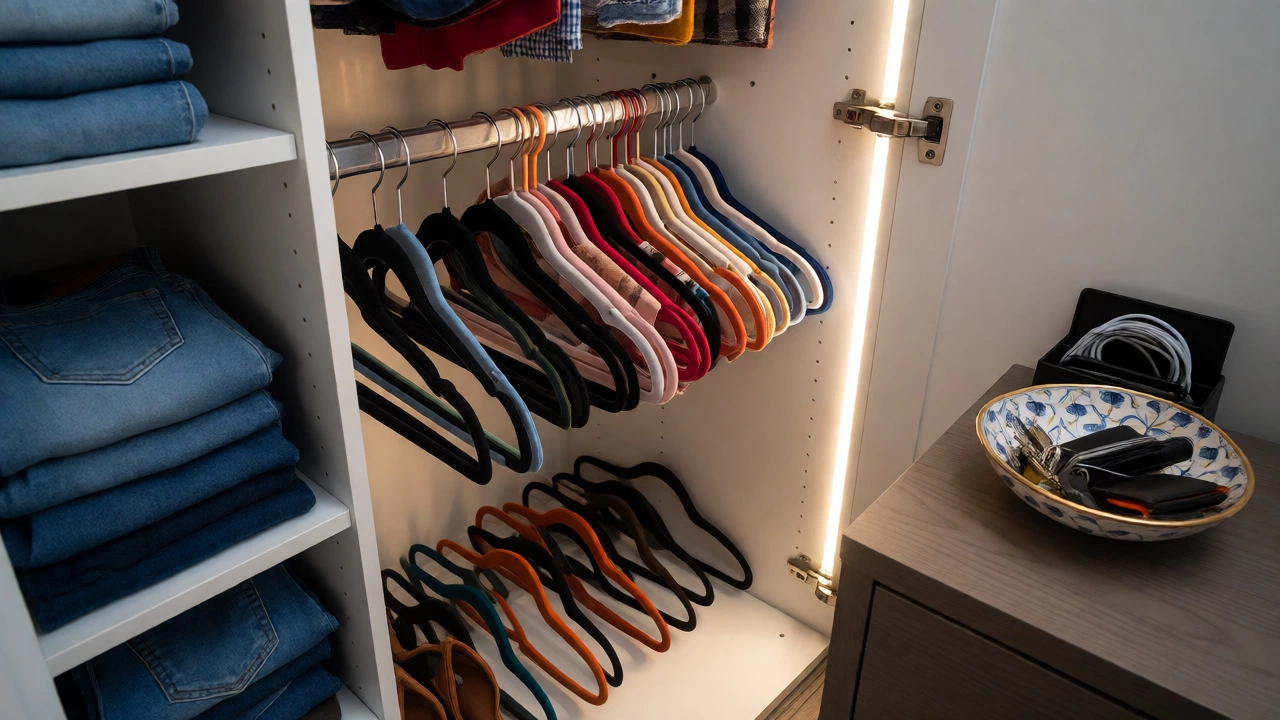
Your closet is likely the biggest source of visible clutter when left unchecked. Start by purging. If you haven’t worn it in a year, donate it. Then, organize what remains. Uniform hangers create immediate visual calm. Velvet or wooden hangers prevent slipping and add texture. Group clothes by category or color to make finding outfits faster.
Add shelf dividers to keep stacks of folded jeans or t-shirts from toppling over. Hanging organizers can double your shelf space by utilizing the air above folded piles. Don’t forget the floor of the closet. Use slim shoe racks or clear stackable boxes instead of letting pairs sprawl. If your closet rod is high, install a second rod lower down for shorter items like shirts or skirts. This simple hack uses vertical space efficiently without requiring new furniture.
Maintaining the Calm: Daily Habits
Storage solutions fail if you don’t have maintenance habits. The "doom pile"-that heap of mail, laundry, and random objects-grows overnight if ignored. Implement a ten-minute nightly reset. Before bed, spend ten minutes returning items to their designated spots. Clothes go in the hamper or closet. Cups go to the kitchen. Papers go to a recycling bin or inbox tray.
Adopt the "one in, one out" rule. When you buy a new shirt, remove an old one. This prevents accumulation. Also, limit decorative items. Every object on a surface requires mental energy to process. Keep only what brings joy or serves a function. If a surface looks messy, ask yourself: does this item belong here? If not, move it. Consistency beats intensity. Small daily actions keep clutter from overwhelming your storage systems.
Common Pitfalls to Avoid
Don’t hide clutter just to hide it. If you shove junk into a box without sorting, you’ve created a time bomb. Sort items before storing them. Toss broken things, expired products, and duplicates. Another mistake is overstuffing drawers. If you have to force a drawer shut, you have too much stuff. Remove non-essentials until it glides easily.
Avoid using temporary storage as permanent solutions. Cardboard boxes degrade and attract pests. Invest in durable materials like fabric, wood, or hard plastic. Finally, don’t ignore lighting. Dark corners encourage clutter to accumulate because you can’t see it clearly. Add a small lamp or battery-operated LED strip inside closets and cabinets. Good visibility helps you find things quickly, reducing the chance of leaving items out because you couldn’t locate their home.
What is the cheapest way to hide clutter in a bedroom?
The cheapest method is using over-the-door organizers and repurposing existing boxes. Paint mismatched cardboard boxes in a neutral color to make them look like intentional storage bins. Additionally, using shower curtains or tension rods to cover open shelves costs under $50 and instantly hides visual noise.
How do I hide cables and electronics in my bedroom?
Use cable management boxes or sleeves to bundle wires together. Route cables behind furniture legs or along baseboards using adhesive clips. For devices like chargers, store them in a small basket on your nightstand rather than leaving them loose on the surface. This keeps the area tidy and reduces tripping hazards.
Do bed risers actually help with storage?
Yes, bed risers are highly effective for adding storage without buying new furniture. By lifting the bed 10-15 cm, you create space for rolling under-bed bins. This is ideal for storing seasonal clothing, extra bedding, or shoes that aren't needed daily. Ensure the risers are sturdy and rated for your bed's weight.
How often should I declutter my bedroom?
Perform a quick 10-minute reset daily to prevent buildup. Conduct a deeper sort every three months, ideally aligning with season changes. During quarterly sorts, review stored items to ensure they are still needed and reorganize bins if necessary. Regular maintenance prevents the need for massive weekend cleaning sessions.
What type of hangers help reduce closet clutter?
Uniform hangers, such as velvet or slim wooden ones, significantly reduce visual clutter. They create a cohesive look and often save space compared to bulky plastic hangers. Matching hangers also make it easier to see gaps in your wardrobe, helping you identify items you no longer wear.