
Many people ask: Is Lazy Boy Medicare approved? The short answer is no - not as a brand. But that doesn’t mean Lazy Boy cushions can’t be covered. What really matters is whether the cushion meets Medicare’s medical criteria for durable medical equipment (DME). If you’re using a Lazy Boy cushion for medical reasons - like pressure ulcer prevention, spinal support, or mobility issues - it might qualify. Let’s cut through the confusion.
Medicare Doesn’t Approve Brands - It Approves Functions
Medicare doesn’t look at brand names like Lazy Boy, Herman Miller, or Tempur-Pedic. Instead, it evaluates whether a product serves a medical purpose. For cushions, that means proving they’re necessary for treating or managing a diagnosed condition. Common qualifying conditions include:- Stage 2 or higher pressure ulcers (bedsores)
- Spinal cord injuries with limited mobility
- Severe arthritis or joint deformities affecting sitting posture
- Neurological conditions like MS or Parkinson’s that impact balance and positioning
- Post-surgical recovery requiring pressure redistribution
If your doctor says you need a therapeutic cushion to prevent skin breakdown or maintain proper alignment, Medicare may cover it - even if it’s made by Lazy Boy. The key is documentation, not the logo on the tag.
What Makes a Cushion Medicare-Eligible?
Not every soft cushion you buy at a furniture store counts. Medicare requires specific features that qualify as DME. Here’s what they look for:- Pressure redistribution: The cushion must evenly spread weight to prevent sores - foam alone usually isn’t enough. Gel, air, or alternating pressure systems are preferred.
- Positioning support: It should maintain proper pelvic alignment, reduce tilt, or prevent sliding. Contoured designs with side bolsters often qualify.
- Medical necessity: A licensed provider must write a detailed prescription stating why a standard cushion won’t work and why this one is required.
- Durable and reusable: It must be designed for long-term use, not disposable or single-use.
Many Lazy Boy cushions are designed for comfort, not clinical use. But some of their medical-grade lines - like the Lazy Boy Therapy Series - are built with medical-grade foam, anti-slip bases, and pressure-relieving zones. These models have a better shot at approval.
How to Get Medicare to Cover a Lazy Boy Cushion
If you’re eligible for Medicare Part B (outpatient benefits), here’s how to move forward:- See your doctor or specialist. Explain your symptoms: pain, skin breakdown, difficulty sitting, or history of pressure ulcers. Ask for a formal evaluation.
- Get a written prescription. It must include: your diagnosis, why a cushion is needed, the type of cushion (e.g., “gel-filled, contoured, pressure-relieving”), and how long you’ll need it.
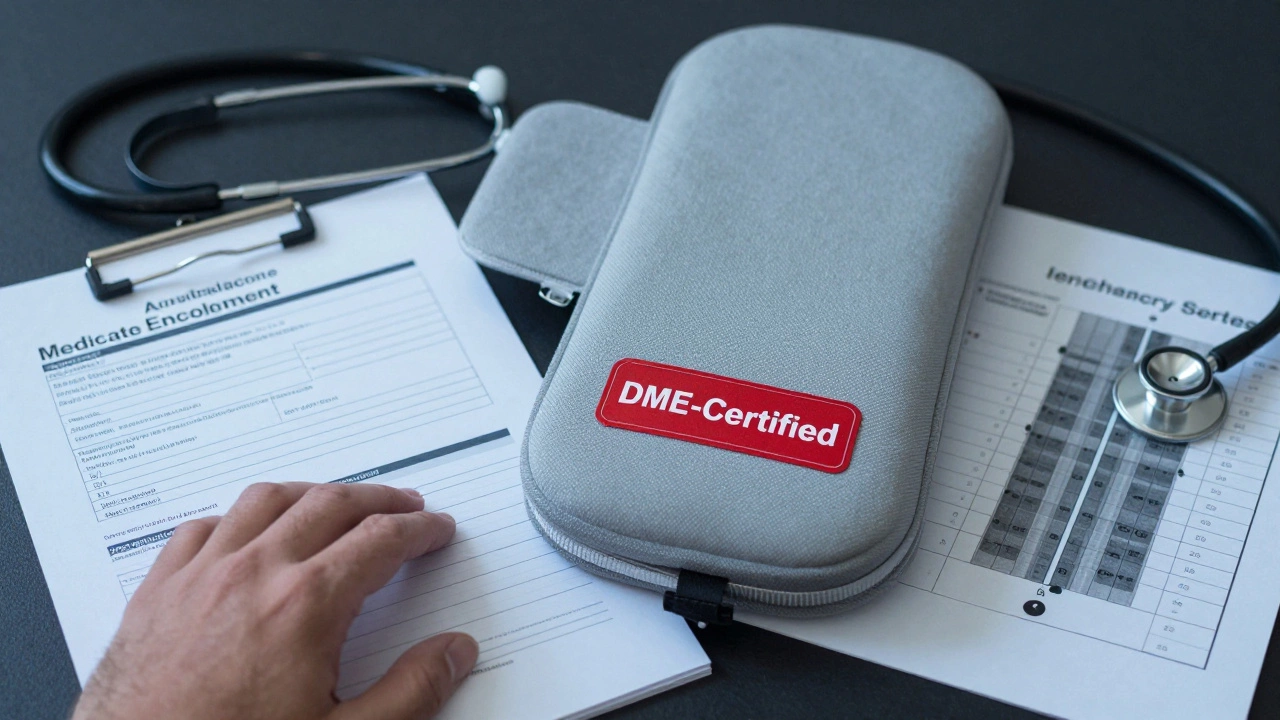
- Use a Medicare-enrolled DME supplier. You can’t just buy from Amazon or a furniture store. The supplier must be approved by Medicare and accept assignment (meaning they accept Medicare’s payment as full payment).
- Submit documentation. The supplier will handle the claim, but you’ll need to provide proof of medical need - like a recent wound care assessment or physical therapy report.
Medicare typically covers 80% of the approved cost after you meet your Part B deductible. You pay the remaining 20%. Some supplemental insurance (Medigap) or Medicaid programs can cover the rest.
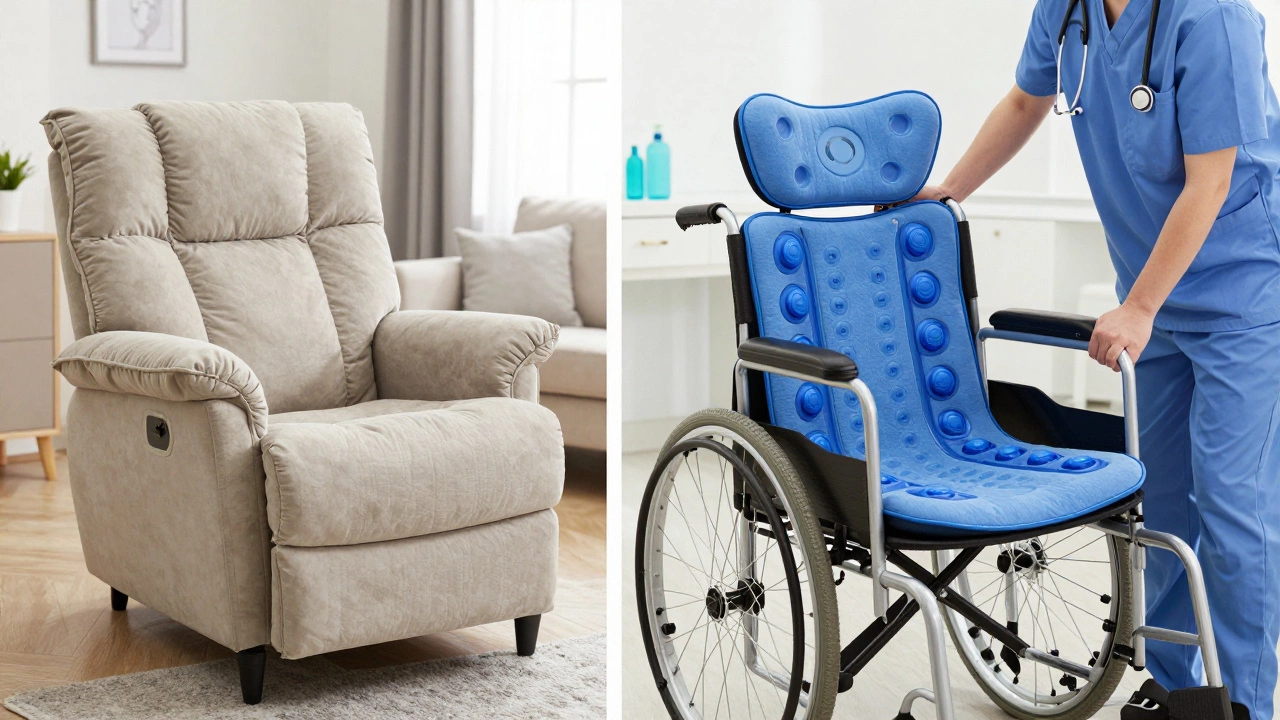
Lazy Boy vs. Medical-Grade Cushions: What’s the Difference?
Here’s a quick comparison of standard Lazy Boy cushions and those that meet Medicare standards:| Feature | Standard Lazy Boy Cushion | Medicare-Eligible Cushion |
|---|---|---|
| Primary Purpose | Comfort, relaxation | Medical treatment, pressure ulcer prevention |
| Material | High-density foam, polyester fill | Gel, air cells, medical-grade memory foam |
| Pressure Redistribution | Minimal | High - tested for pressure mapping |
| Anti-Slip Base | Often absent | Required |
| Medical Prescription Required | No | Yes |
| Medicare Coverage | No | Possible, if criteria met |
Some Lazy Boy models, like the Therapy Gel Cushion or Posture Support Wedge, are designed with input from physical therapists and meet CDC guidelines for pressure injury prevention. These are the ones that can be submitted for Medicare review.
What If Medicare Denies Coverage?
It happens. Common reasons include:- Insufficient medical documentation
- Using a cushion for convenience, not medical need
- Purchasing from a non-enrolled supplier
- Not meeting the 80/20 cost-sharing rule
If denied, you can appeal. Gather:
- Your doctor’s letter explaining medical necessity
- Photos or reports showing skin breakdown or positioning issues
- A copy of the cushion’s product specifications from the manufacturer
Many appeals succeed when you provide clear, clinical evidence. Don’t give up after the first no.
Alternatives If Lazy Boy Isn’t Covered
If your Lazy Boy cushion doesn’t qualify, there are other Medicare-approved options:- Roost Cushions - Designed for spinal alignment, widely covered by Medicare
- Jay Cushions - Industry standard for wheelchair users, often reimbursed
- Varilite - Air-filled, customizable pressure relief
- Medline’s Pressure Relief Series - Affordable, Medicare-compliant foam and gel options
These brands are sold through DME suppliers and come with the paperwork Medicare requires. You can ask your supplier to compare models side by side.
Where to Buy Medicare-Approved Cushions
Don’t shop at Walmart or Amazon for this. You need a supplier enrolled in Medicare. Here’s how to find one:- Search the Medicare Supplier Directory at Medicare.gov/supplierdirectory (you can’t link, but you can visit it)
- Ask your physical therapist or home health agency for recommendations
- Call 1-800-MEDICARE and ask for DME suppliers in your area
Most suppliers offer free consultations, home assessments, and trial periods. Some even deliver and set up the cushion for you.
Bottom Line: It’s Not About the Brand - It’s About the Need
Lazy Boy isn’t automatically Medicare approved. But if you’re using one of their medical-grade cushions for a documented health condition, and your doctor backs it up, you have a real chance. The system isn’t about brands - it’s about outcomes. Can the cushion prevent a hospital stay? Reduce pain? Keep you safely seated? If yes, then Medicare will listen.Don’t assume you can’t get help. Thousands of people get coverage for cushions every year - even if they started with a brand like Lazy Boy. The difference? They knew the rules and followed them.
Can I use a Lazy Boy cushion and still get Medicare coverage?
Yes, if the cushion is a medical-grade model (like the Therapy Series) and you have a doctor’s prescription proving it’s needed for a diagnosed condition like pressure ulcers or spinal instability. Standard Lazy Boy cushions for comfort alone won’t qualify.
What if my doctor says I need a cushion but Medicare denies it?
You can appeal. Submit your doctor’s letter, photos of skin breakdown, and the cushion’s technical specs. Many denials are overturned when you provide clear clinical evidence. Don’t accept the first no - ask for a formal appeal form from Medicare.
Do I have to buy the cushion from a specific store?
Yes. You must buy from a Medicare-enrolled DME supplier. These suppliers handle the paperwork, accept Medicare’s payment rate, and ensure the product meets medical standards. Buying online or from a furniture store usually means you pay 100% out-of-pocket.
Does Medicare cover cushions for chairs or only wheelchairs?
Medicare covers cushions for any seating system used for extended periods - including recliners, dining chairs, or wheelchairs - as long as you have a medical need. The key is how long you sit daily and whether the cushion prevents injury or improves function.
How much does Medicare pay for a therapeutic cushion?
Medicare typically pays 80% of the approved amount after you meet your Part B deductible. The approved amount varies by cushion type but usually ranges from $200 to $600. You pay the remaining 20%, unless you have supplemental insurance.