Small Room Sofa Calculator
Room Dimensions
Sofa Dimensions
Enter your room and sofa dimensions to check if it fits properly.
Corner sofa is a popular choice for many, but in a small room, it's not always the right fit. You might think it saves space by hugging the corner, but often it does the opposite. Let’s cut through the myths and see what really works.
The Space-Saving Myth
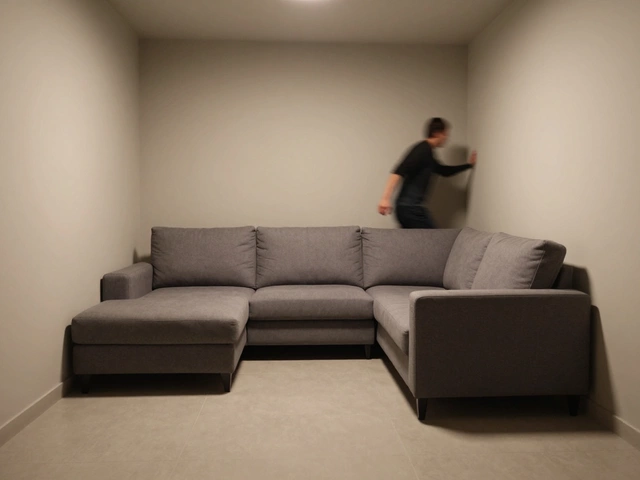
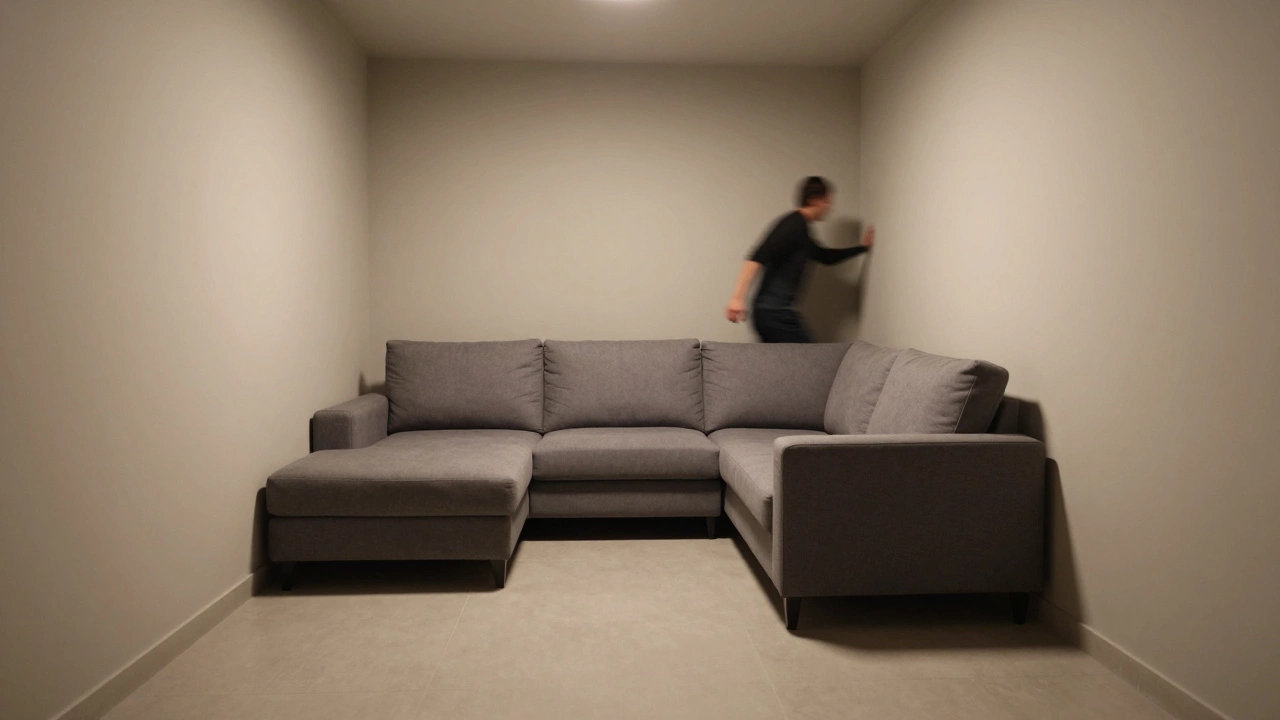
Many people assume a corner sofa is a space-saver because it uses the corner. But in reality, it often takes up more floor space than a straight sofa. Why? The L-shape means both sides extend into the room. For example, a typical corner sofa might be 7 feet wide and 7 feet deep. In a room that’s 10x10 feet, that leaves only 3 feet on each side-hardly enough room to move comfortably. A 2025 survey of Auckland homeowners by the New Zealand Interior Design Association found that 68% of people with rooms under 150 square feet regretted choosing a corner sofa. They felt the sofa made the space feel smaller, not bigger.
When a Corner Sofa Actually Works
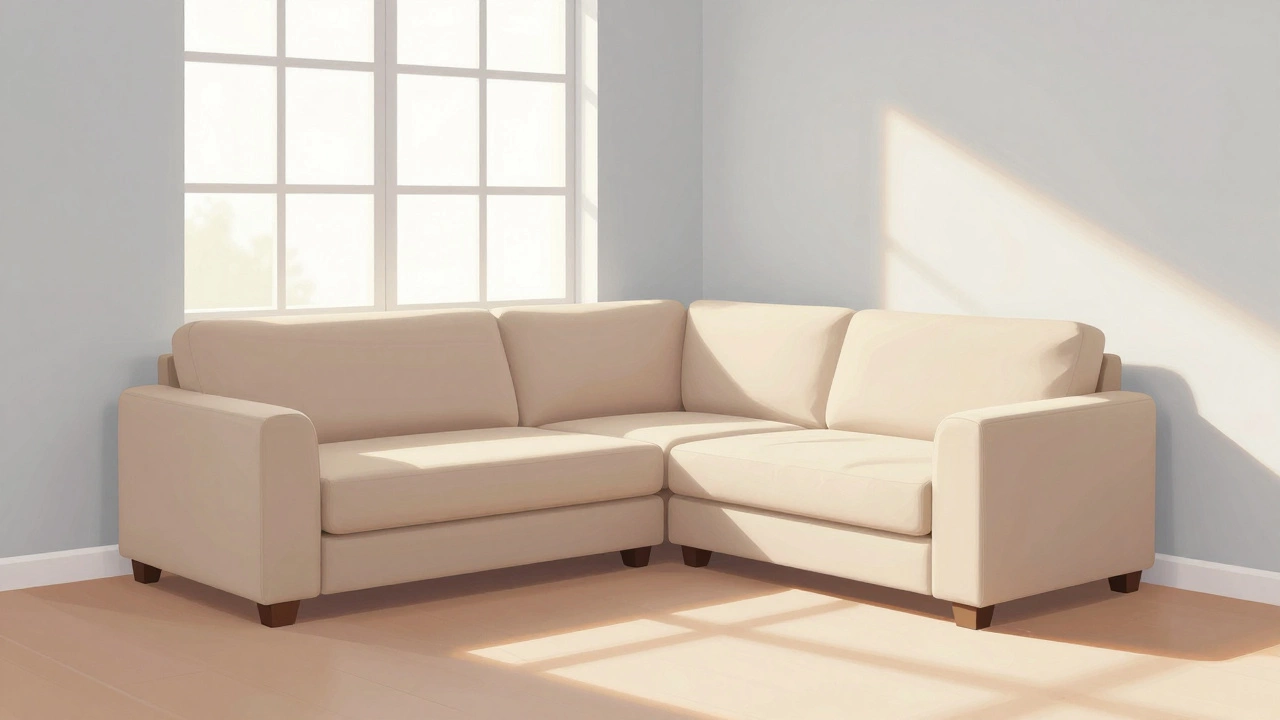
There are cases where a corner sofa fits perfectly. If your room has an awkward corner that’s otherwise unused-like next to a window or fireplace-and the room is at least 12x12 feet, it can work. For instance, in a narrow 10x14 ft room, placing a corner sofa in the far corner opposite the entrance creates a defined seating area without blocking the main path. The key is ensuring the sofa’s depth matches the room’s width. If the room is 12 feet wide, a sofa that’s 6 feet deep leaves 6 feet of space, which is manageable. But if the room is only 10 feet wide, a 6-foot-deep sofa leaves just 4 feet of walking space on one side-too tight.
How to Measure Your Space Properly
Before buying, measure everything. Start with the room’s length and width. Subtract 18 inches from each wall for comfortable walking space. If the remaining space is less than 8 feet in any direction, avoid a corner sofa. For example, a 9x10 ft room: subtract 18 inches (1.5 ft) from each side. So 9-3=6 ft, 10-3=7 ft. Now check the sofa dimensions. A standard corner sofa is about 7x7 ft. That would leave almost no space to move around. Instead, measure the exact spot where you’ll place it. Ensure there’s at least 24 inches of clearance on all sides for walking and opening doors.
Better Alternatives for Small Rooms
If a corner sofa isn’t right, try these options:
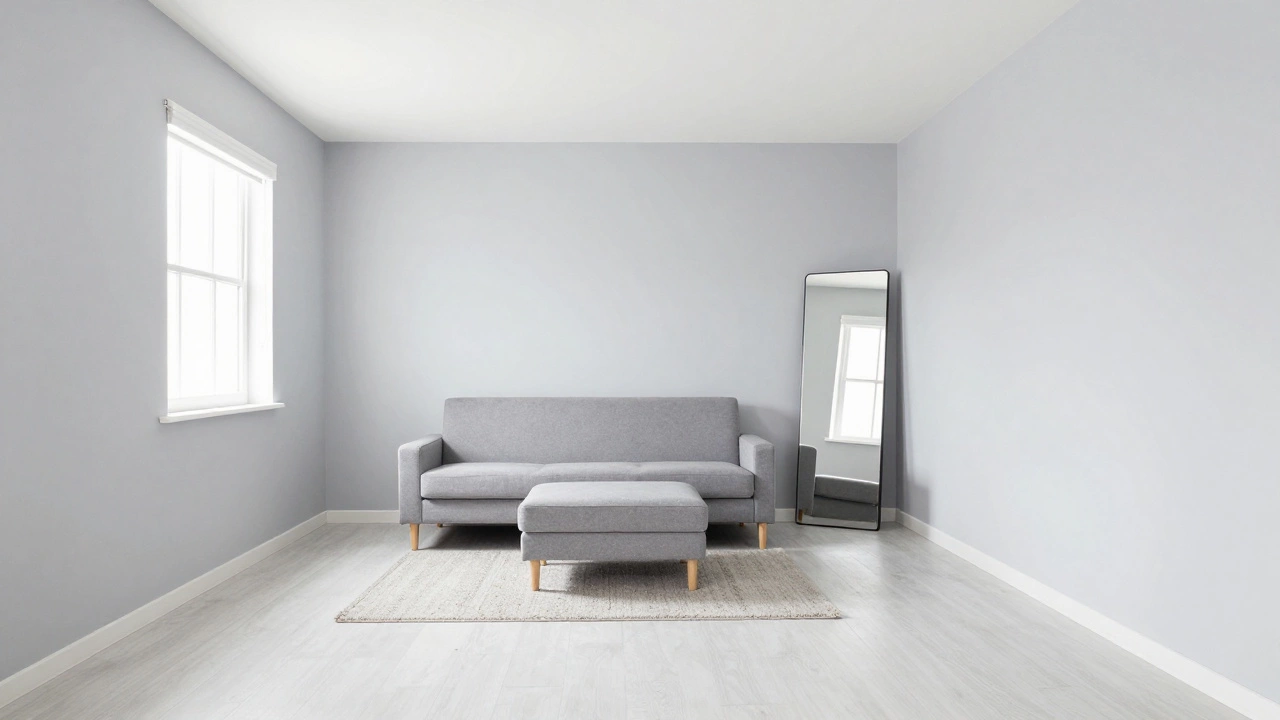
- Modular sofas: These let you arrange pieces as needed. A 6-foot loveseat with a matching ottoman can be rearranged to fit tight spaces. In a 9x10 ft room, this setup leaves more room to move and can be adjusted as needed.
- Single sofa with ottoman: A 5-foot sofa paired with a small ottoman offers seating without taking up too much space. It’s flexible-you can move the ottoman as a footrest or extra seat.
- Wall-mounted furniture: Consider a sofa with a built-in storage base. This keeps the floor clear and adds storage for blankets or books.
Styling Tips to Maximize Space
Even with the right sofa, styling matters. Use light colors for walls-soft beige or pale gray-to make the room feel larger. Place a mirror opposite a window to reflect natural light. Avoid large rugs; instead, use a small, low-pile rug to keep the floor visible. In Auckland’s winter months, when daylight is scarce, maximizing light is crucial. A well-placed mirror can double the effect of natural light, making the room feel more open. A study by the Australian Interior Design Society found that walls painted in light shades can make a room appear 10-15% bigger. For compact apartments like those in Auckland, this trick makes a real difference.
Common Mistakes to Avoid
Many people make these errors:
- Blocking windows: A corner sofa covering more than 30% of a window reduces natural light. In Auckland’s cloudy winters, this can make the room feel darker and smaller.
- Ignoring door swing: If the sofa blocks a door from opening fully, it’s a no-go. Always check the door’s swing path before placing furniture.
- Choosing deep sofas: A sofa deeper than 36 inches in a small room eats up floor space. Opt for a 32-inch depth to save inches.
Is a corner sofa always bad for small rooms?
No, but it depends. If the room has an unused corner and is at least 12x12 feet, it can work. Otherwise, better alternatives exist. For example, in a 12x14 ft room with a window in one corner, a corner sofa can fill that space without blocking light or walkways.
How much space do I need for a corner sofa?
Minimum 12x12 ft room. Each side of the sofa should have at least 24 inches of clearance. For a 7x7 ft corner sofa, the room needs to be big enough to fit the sofa plus 2 feet around it. If your room is smaller, try a loveseat or modular sofa instead.
What’s the best alternative to a corner sofa in a small room?
A modular sofa or a loveseat with an ottoman. These offer flexibility and take less space. For instance, a 5-foot loveseat with a 2-foot ottoman uses about 5x3 ft of space, leaving room for movement. You can also rearrange them as needed-perfect for small, changing spaces.
Can I use a corner sofa in a studio apartment?
Usually not. Studios often lack the space for proper walkways. A single sofa with a footrest is better. In a studio under 10x10 ft, a corner sofa will block pathways and make the space feel cramped. Instead, choose a compact sofa that fits against one wall and leaves room to move around.
How do I measure my room for a sofa?
Measure the room’s length and width. Subtract 18 inches from each wall for walkways. If the remaining space is less than 8 feet in any direction, avoid a corner sofa. For example, a 9x10 ft room becomes 6x7 ft after walkways. A standard corner sofa (7x7 ft) won’t fit. Look for smaller options like a 5-foot loveseat instead.