Bed Linens: What Makes Them Last, Feel Good, and Fit Your Sleep Style
When you think about bed linens, the fabrics and layers that cover your mattress, pillows, and bed frame. Also known as bedding, it's not just about looks—it’s about comfort, breathability, and how long it lasts before it pills, shrinks, or feels stiff. Most people buy bed linens once and forget them, but the truth is, the material, weave, and thread count all play a real role in how you sleep night after night. A cheap set might feel soft at first, but after a few washes, it starts to feel rough, thin, or even itchy. That’s not normal—it’s a sign you picked the wrong fabric.
Not all bed linens are made the same. cotton sheets, the most common type, vary wildly in quality depending on fiber length and how they’re spun. Long-staple cotton like Egyptian or Pima lasts longer and feels smoother than short-staple cotton, which is often blended with polyester to cut costs. Then there’s linen, a natural fiber made from flax that gets softer with every wash and naturally wicks away heat. It’s perfect if you sleep hot, but it wrinkles easily. If you want something low-maintenance, microfiber, a synthetic blend often marketed as "ultra-soft". can feel nice, but it traps heat and doesn’t breathe well—great for winter, bad for summer. And don’t overlook the mattress protector, a hidden layer that shields your mattress from sweat, spills, and dust mites. Many people skip it, then wonder why their sheets get stained or smell odd after a year.
Thread count? It’s mostly marketing. A 300-thread-count cotton sheet made from long fibers will feel better than a 1,000-thread-count one made from cheap, short fibers twisted together. What you really want is a tight, even weave—percale for crisp coolness, sateen for a silky feel. Pillowcases matter too. Silk or satin ones reduce hair breakage and skin friction, but they’re not for everyone. If you’ve got pets or kids, durability beats luxury. And if you wash your linens in hot water or dry them on high, you’re shortening their life. Cold wash, low heat, and air-drying when you can will make your bed linens last years longer.
You don’t need to spend a fortune, but you do need to know what you’re buying. The right bed linens don’t just look nice—they help you fall asleep faster, stay asleep longer, and wake up feeling refreshed. Below, you’ll find real-world tests, comparisons, and fixes for common bed linen problems—no fluff, just what actually works.
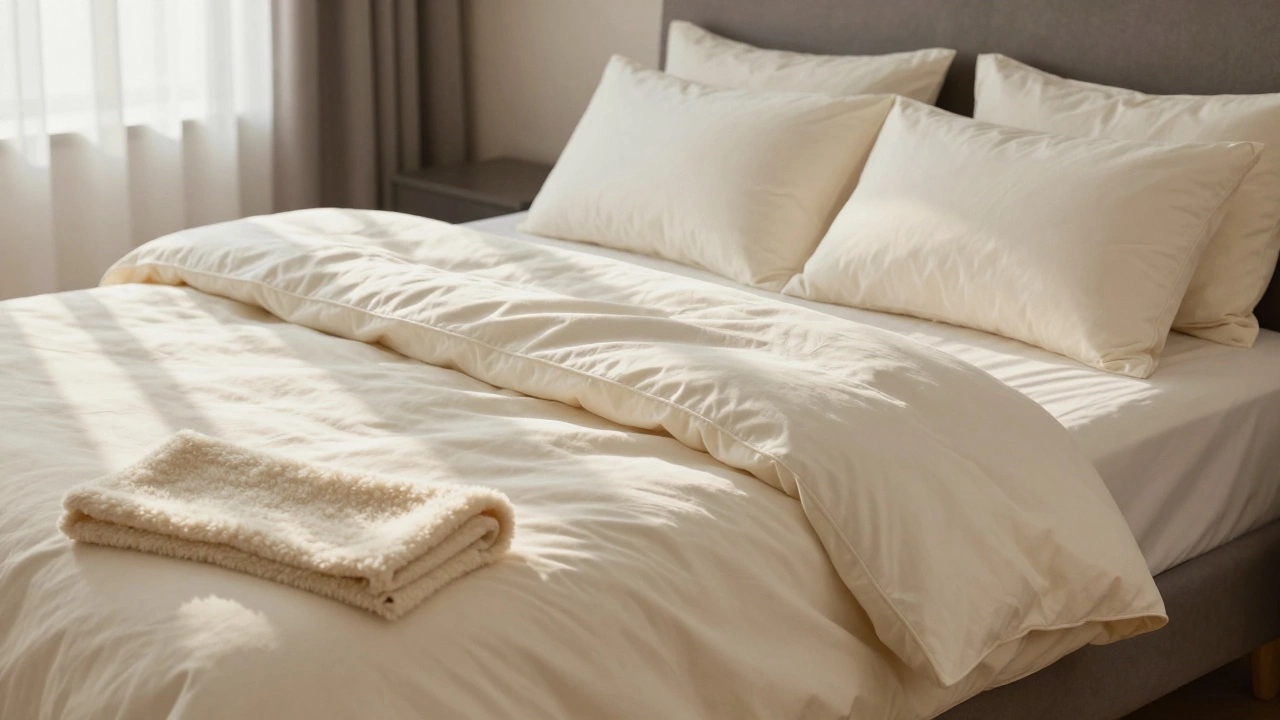
What Is the Term for Bedding? Understanding the Right Words for Your Bed Linens
Bedding is the overall term for everything on your bed, while bed linens refer specifically to washable sheets and pillowcases. Learn the difference and what each part means so you can shop smarter.
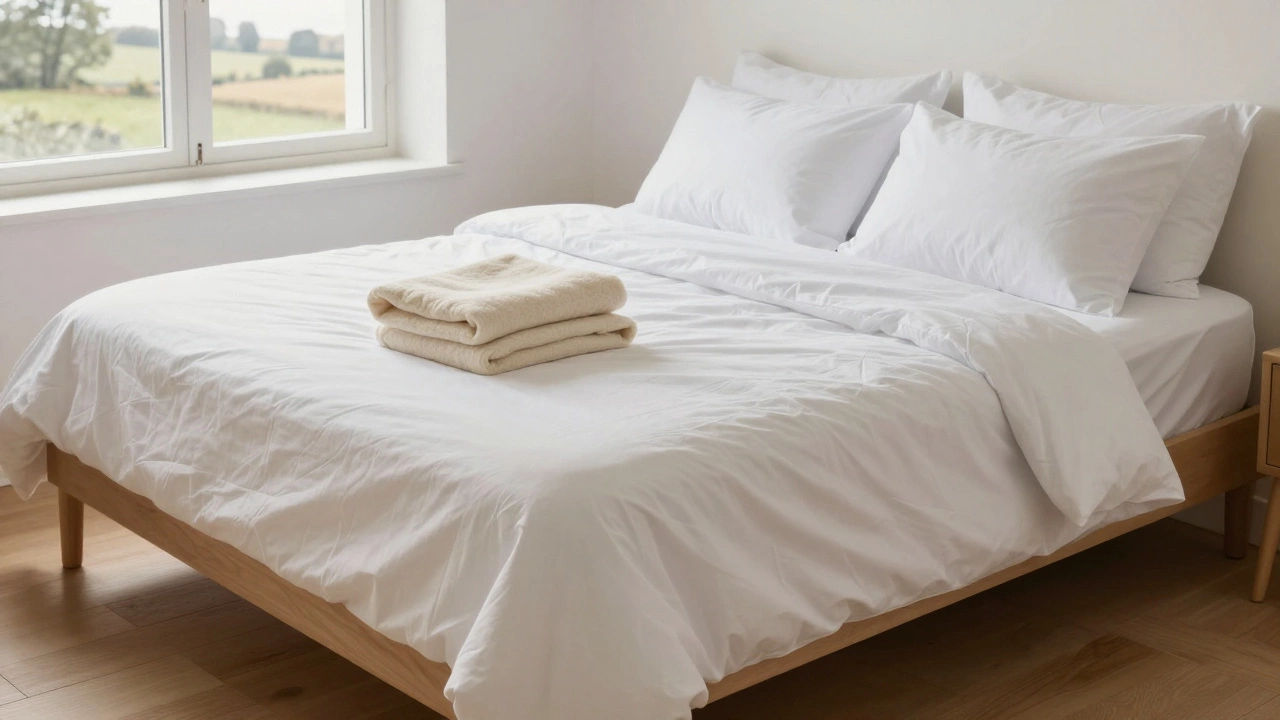
What Are the Two Types of Bedding? A Simple Guide to Sheets and Duvets
There are only two real types of bedding: sheets and duvets. Learn what they are, how they work together, and what you actually need for a clean, comfortable bed without the fluff.
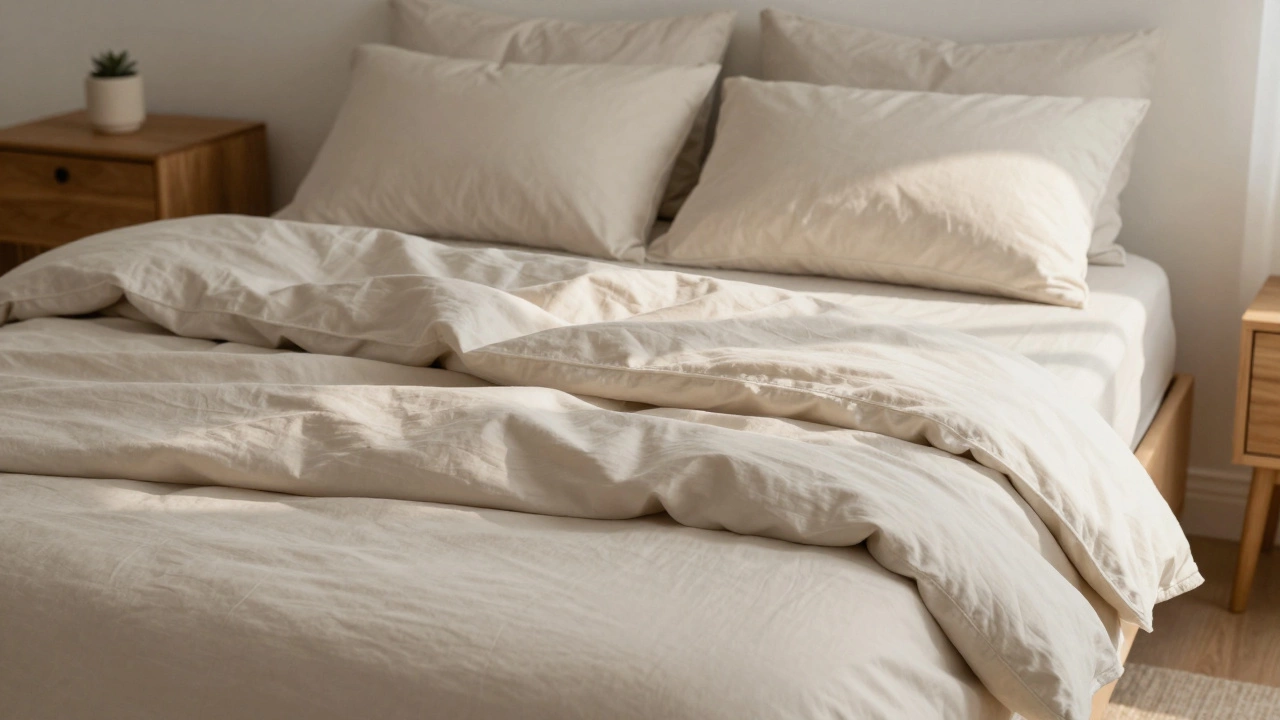
What Is Bedding? A Simple, Clear Definition for Everyday Use
Bedding is everything you use on your bed to sleep comfortably-sheets, pillowcases, blankets, and duvets. It’s not just decoration; it’s essential for good sleep and hygiene.