Mirror Frame: Types, Styles, and What Makes a Mirror Worth Keeping
A mirror frame, the border that holds and enhances a mirror, often defines its style, value, and place in a room. Also known as a mirror border, it’s not just decoration—it affects how light bounces, how space feels, and whether a mirror becomes a family heirloom or just another wall piece. Whether you’re hanging one in your bathroom, buying a vintage piece, or trying to figure out if that dusty reflection in the attic is worth keeping, the frame tells you more than you think.
The frame materials, what the border is made from—wood, metal, plastic, or gilded plaster—determine durability, weight, and how it ages over time. A solid oak frame from the 1920s behaves differently than a hollow plastic one bought last year. Then there’s the antique mirror, a mirror typically over 100 years old, with hand-cut glass, irregular edges, and patina that can’t be faked. These aren’t just old mirrors—they’re artifacts shaped by craftsmanship, not mass production. Their value isn’t in the glass, but in the frame’s history, its joinery, and how it was finished by hand. And if you’re thinking about resale or interior design, the mirror styles, from ornate Baroque to sleek minimalist, directly influence the mood of a room. A gold leaf frame adds luxury; a thin black metal one feels modern and clean. They don’t just reflect your face—they reflect your taste. You’ll also find that the right frame can make a small bathroom feel bigger, or turn a plain wall into a focal point without adding a single painting.
People often overlook frames when they shop for mirrors, but the difference between a $20 frame and a $200 one isn’t just branding—it’s thickness, weight, finish, and how it holds up over decades. Some frames warp. Others chip. A few last longer than the house they’re in. That’s why when you see posts about antique mirror appraisal, or what makes a mirror worth keeping, it’s never just about the glass. It’s about the frame. Below, you’ll find real-world guides on identifying age, choosing styles that work in modern homes, spotting fake antiques, and understanding why some frames belong in museums while others belong in the trash. No fluff. Just what you need to know before you buy, sell, or hang your next mirror.
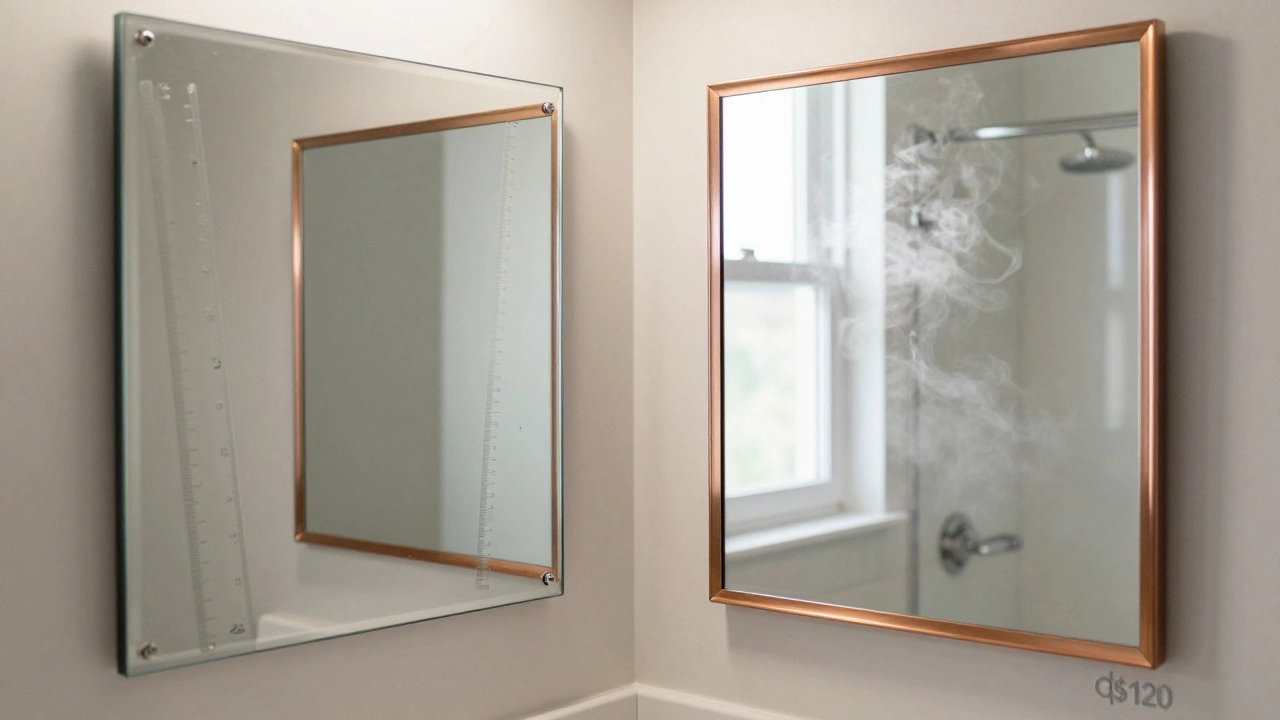
Are cheap mirrors any good? Here's what actually matters
Cheap mirrors can work for decor or low-use areas, but they often warp, fog, or peel in bathrooms. Learn what actually makes a mirror last-and where to save or splurge.
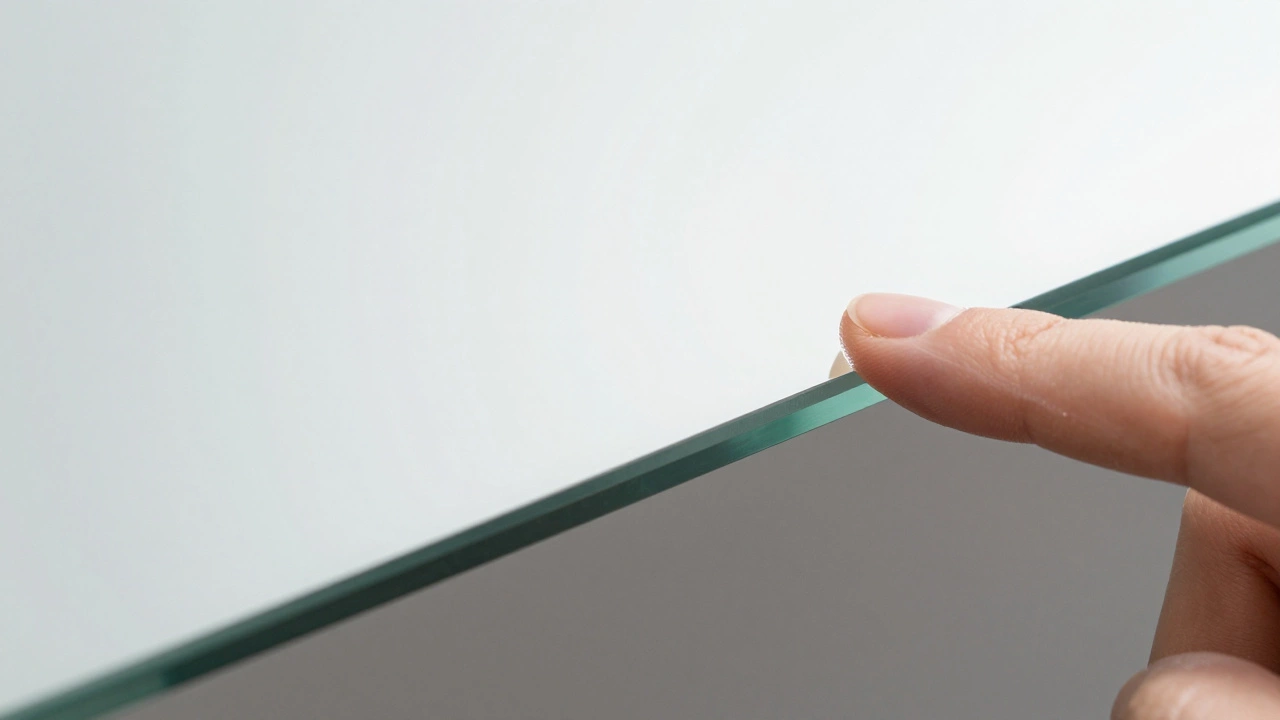
How to Tell if a Mirror Is Good Quality
Learn how to spot a high-quality mirror by checking glass thickness, silver backing, reflection clarity, frame build, and weight. Avoid cheap mirrors that warp, discolor, or corrode over time.
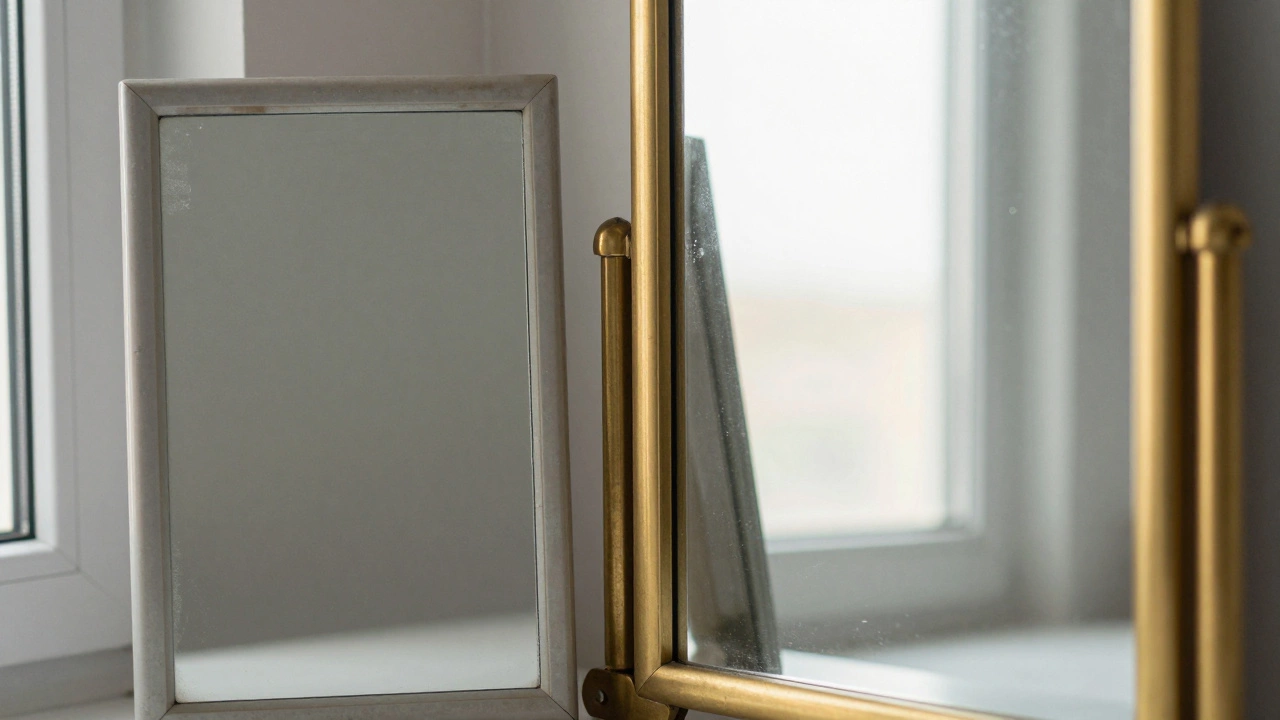
Is There a Difference Between Cheap and Expensive Mirrors?
Cheap mirrors may save money upfront, but they often warp, fog, or crack over time. Expensive mirrors use better glass, protective coatings, and durable frames for a true, long-lasting reflection.