Mattress Adjustment Tracker
Estimate your bedding-in timeline and track your progress
Your Adjustment Status
Key Takeaways for Your New Bed
- The bedding in period is the time it takes for a mattress to reach its intended firmness and for your body to adapt to a new support system.
- Most people need between 21 and 30 nights to fully adjust.
- Physical stiffness in the first week is normal as your muscles react to new pressure points.
- Breaking in a bed involves consistent use and, in some cases, gentle manual manipulation.
What Exactly Is the Bedding In Period?
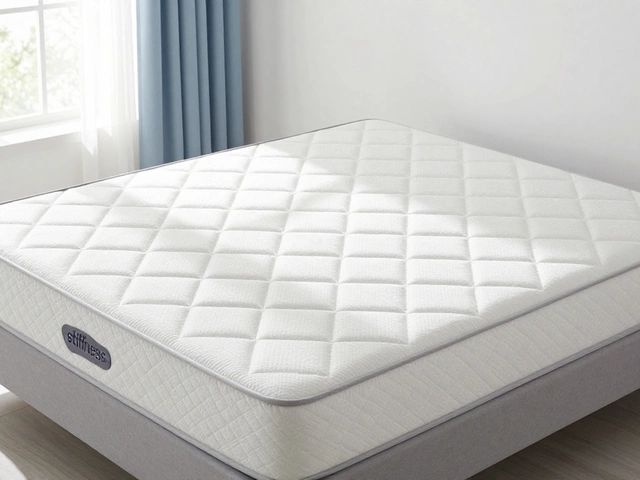
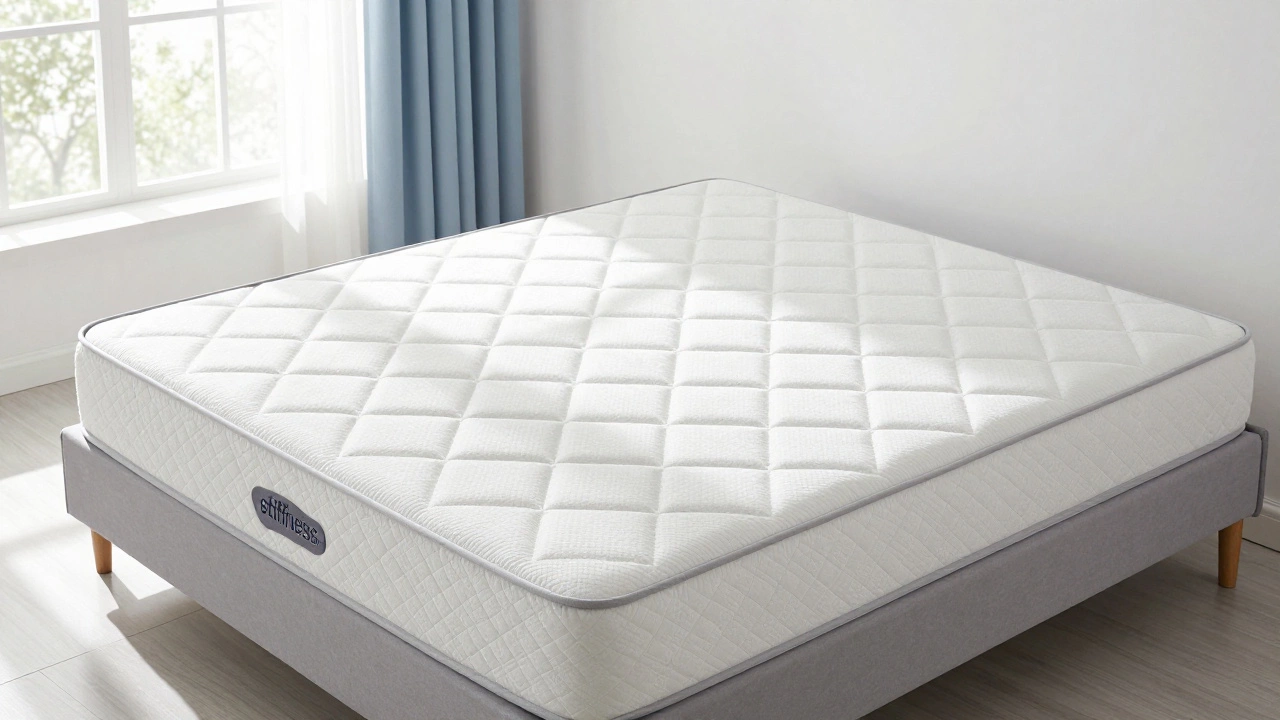
Think of a new mattress like a brand new pair of leather boots. They look great, but they're stiff, and if you wear them for ten hours straight on day one, you'll get blisters. Your mattress is the same way. A mattress is a piece of furniture designed to support the human body during sleep through a combination of springs, foams, or latex. When it arrives at your door, the materials are at their maximum tension.
During the bedding in period, the materials-whether it's Memory Foam, Innerspring, or Hybrid coils-begin to soften slightly. They respond to your specific weight, heat, and sleeping position. At the same time, your spine and muscles are adjusting to a different level of support than what you had for the last decade. If you moved from a sagging old bed to a supportive new one, your body might actually feel sore because it's finally being held in the correct alignment.
The Science of Why Your Bed Feels Stiff
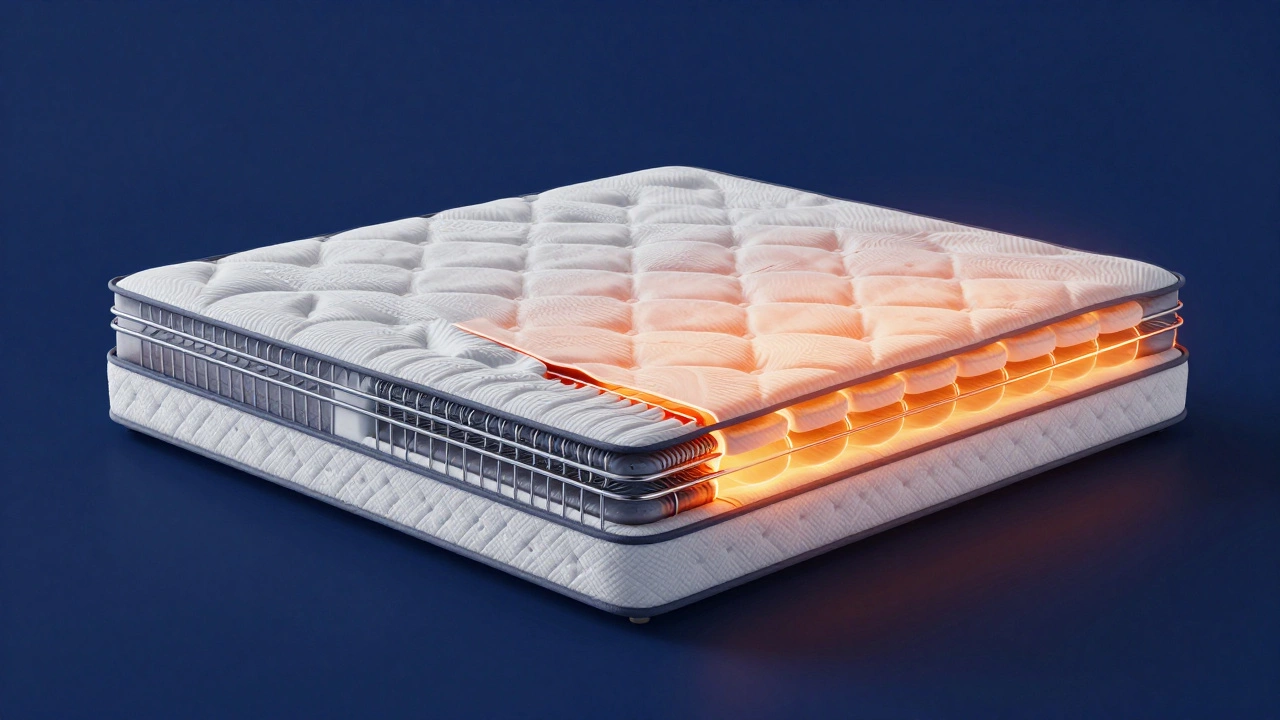
It comes down to material science. If you have a Polyurethane Foam mattress, the cells are tightly packed and haven't been compressed by a human body yet. This creates a higher initial resistance. In contrast, a mattress with Pocket Springs has steel coils that are wound tight. As you sleep on them, those coils lose a tiny bit of that "factory tension," making the bed feel more inviting.
Then there's the human element: proprioception. Your brain has a map of how your body feels when it's supported. When you change that support surface, your nervous system has to recalibrate. This is why you might toss and turn more than usual during the first week. You aren't necessarily uncomfortable; you're just unfamiliar.
| Material Type | Typical Break-in Time | Primary Change |
|---|---|---|
| Memory Foam | 1-2 Weeks | Softens with body heat |
| Innerspring | 2-4 Weeks | Coils lose initial stiffness |
| Latex | 1-3 Weeks | Resilience settles into shape |
| Hybrid | 2-3 Weeks | Balance of foam and spring settles |
Signs You Are Just "Bedding In" vs. A Bad Mattress
How do you know if you just need more time or if you bought a lemon? It's a common worry. If you wake up with a general feeling of "stiffness" that goes away after you stretch for five minutes, you're likely just in the adjustment phase. If you wake up with sharp, localized pain in your lower back or hips that lasts all morning, that's a red flag.
Another clue is the trend. A mattress in the bedding in period gets slightly softer and more comfortable every few days. A bad mattress-one that is too firm or has a structural defect-will feel exactly the same on night 30 as it did on night 1. If the "brick" feeling isn't fading, the mattress probably doesn't match your sleep preference.
How to Speed Up the Break-In Process
You don't have to just lie there and suffer. There are ways to help your bed settle faster. First, keep the room at a moderate temperature. If you have a foam bed, excessive cold makes the material stiffer. A bit of warmth helps the foam respond to your weight more quickly.
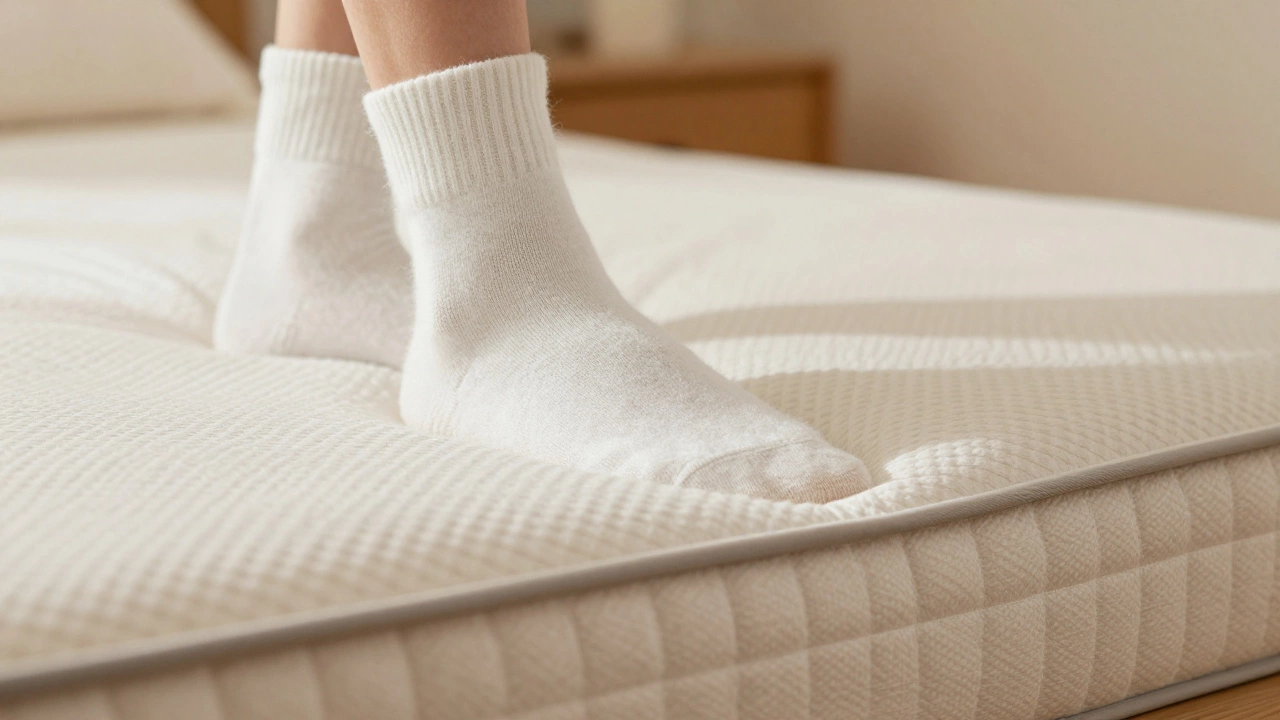
Second, try "manual breaking." This sounds odd, but it works. Spend a few minutes walking on your mattress (with clean socks, of course) or gently pressing your weight into the areas where your hips and shoulders sit. This mimics the repeated pressure of sleep and helps the materials loosen up.
Third, be consistent. Don't jump between your new bed and an old guest bed because the new one feels "too hard." This resets your body's adaptation process and prolongs the period of discomfort.
The Role of the Mattress Topper
Sometimes, even after the bedding in period, a mattress can feel a bit too firm. This is where a Mattress Topper comes in. A topper is a separate layer of material placed on top of a mattress to alter its feel and pressure relief. If you're a side sleeper and the break-in period didn't soften the bed enough for your shoulders, a 2-inch memory foam topper can bridge that gap.
However, wait until the 30-day mark before adding a topper. If you add one on day three, you'll never actually know if the mattress itself is supportive. Use the topper as a fine-tuning tool, not a primary fix for a bed you haven't given a chance to settle.
Common Pitfalls to Avoid
One big mistake people make is ignoring the foundation. If your bed frame is old or your box spring is sagging, the bedding in period won't matter because the support is failing from underneath. Always ensure your Bed Frame is compatible with the mattress type. For example, memory foam needs a solid surface or specific slats to prevent dipping.
Another error is over-rotating the bed. While rotating your mattress 180 degrees every few months is great for longevity, doing it every few days during the break-in period confuses your body's adaptation. Let your body find its "sweet spot" on the mattress first.
How long does a mattress actually take to break in?
Typically, the bedding in period lasts between 21 and 30 nights. While some people feel the difference in a week, it generally takes a full month for the materials to settle and for your musculoskeletal system to adjust to the new support patterns.
Is it normal to have back pain during the first week of a new mattress?
Yes, mild soreness is common. If you've been sleeping on an old, sagging mattress, your spine may have curved into a specific position. A new, supportive mattress pushes your spine back into alignment, which can feel like a "growing pain" for your muscles.
Can I speed up the break-in process by walking on the bed?
Yes, gently walking on the mattress or applying pressure with your knees can help loosen up stiff foams and springs, effectively mimicking several nights of sleep in a shorter amount of time.
What if the bed is still too hard after 30 days?
If the mattress hasn't softened after a month, it's likely too firm for your body type. At this point, you should either look into a mattress topper to add a plush layer or contact the manufacturer to utilize their exchange policy.
Does the room temperature affect the bedding in period?
Absolutely, especially for memory foam. Memory foam is temperature-sensitive; it becomes softer when warm and stiffer when cold. Keeping your room at a comfortable, moderate temperature helps the foam react more naturally to your body.
Next Steps for Your Sleep Setup
If you're still in the middle of your break-in period, give it time. Keep a simple sleep diary for two weeks, noting your pain levels on a scale of 1-10 every morning. If the number is trending down, you're on the right track. If it stays high, it's time to check your bed frame or consider a topper. Once you've conquered the bedding in period, focus on your pillows to ensure your neck alignment matches the new support of your mattress.