Storage Savings Calculator
Discover the cheapest storage method for your household items and calculate how much you could save by using free or repurposed solutions.
When you need to store things, the cheapest method isn’t always the one with the lowest sticker price. It’s the one that keeps your stuff safe, doesn’t eat up your time, and doesn’t force you to buy more stuff later. Most people think storage means buying plastic bins or renting a unit. But the real savings come from using what you already have - smartly.
Use your own space first
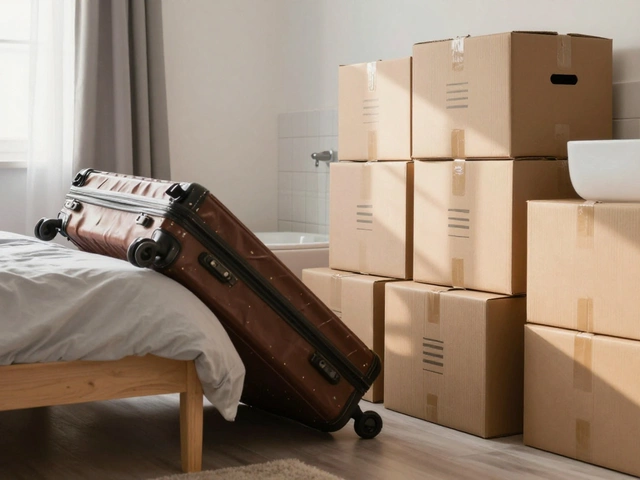
- Under the bed - if you have a bed frame with clearance, sliding storage bins fit perfectly. A 12-inch tall under-bed box holds a season’s worth of clothes and costs nothing if you reuse old suitcases or cardboard boxes.
- Behind doors - over-the-door hooks and hanging organizers work for shoes, cleaning supplies, or craft materials. A $5 hanging organizer from a discount store can add 10 cubic feet of storage.
- On top of cabinets - in kitchens and bathrooms, the space above cabinets is wasted. A shallow plastic bin or a wooden crate holds rarely used items like holiday decorations or backup towels.
- Inside closets - add a second rod for hanging clothes or use stackable bins on the floor. You don’t need fancy systems. A $10 tension rod and some fabric bins do the job.
These aren’t fancy. They don’t require tools. And they cost less than $50 total to outfit a whole house. The biggest mistake people make? Buying storage before they’ve used what’s already there.
Cardboard boxes are still the cheapest
Cardboard boxes are free if you know where to look. Local grocery stores, liquor shops, and bookstores often give them away. Ask at the back door - most will hand them over because they’d otherwise pay to recycle them.
A standard medium box (18” x 14” x 12”) holds about 30 pounds of stuff. Stack them vertically, label them with masking tape and a marker, and store them in a dry corner of the garage, basement, or under the stairs. No plastic. No expensive bins. Just cardboard, tape, and a Sharpie.
Cardboard lasts for years if kept dry. If it gets damp, it breaks down - but that’s why you avoid storing it in bathrooms or basements without a dehumidifier. Use silica gel packs (saved from new shoes or electronics) to keep moisture out. A $2 pack lasts for months.
Repurpose furniture you already own
That old dresser with one broken drawer? Turn it into a storage unit. Remove the broken drawer, fill the space with baskets, and you’ve got open storage for blankets or toys. A bookshelf with no books? Use it for folded towels, pet supplies, or seasonal gear.
Stools with hidden compartments? Perfect for storing blankets or tools. Ottoman benches? They’re storage boxes with fabric on top. You don’t need to buy new. You just need to see the potential in what’s already in your home.
A 2023 survey by the New Zealand Household Storage Association found that 68% of households using repurposed furniture for storage saved over $200 in the first year. The average person spent $310 on new storage bins - and still had clutter.
Why renting storage units isn’t cheap - even if it looks it
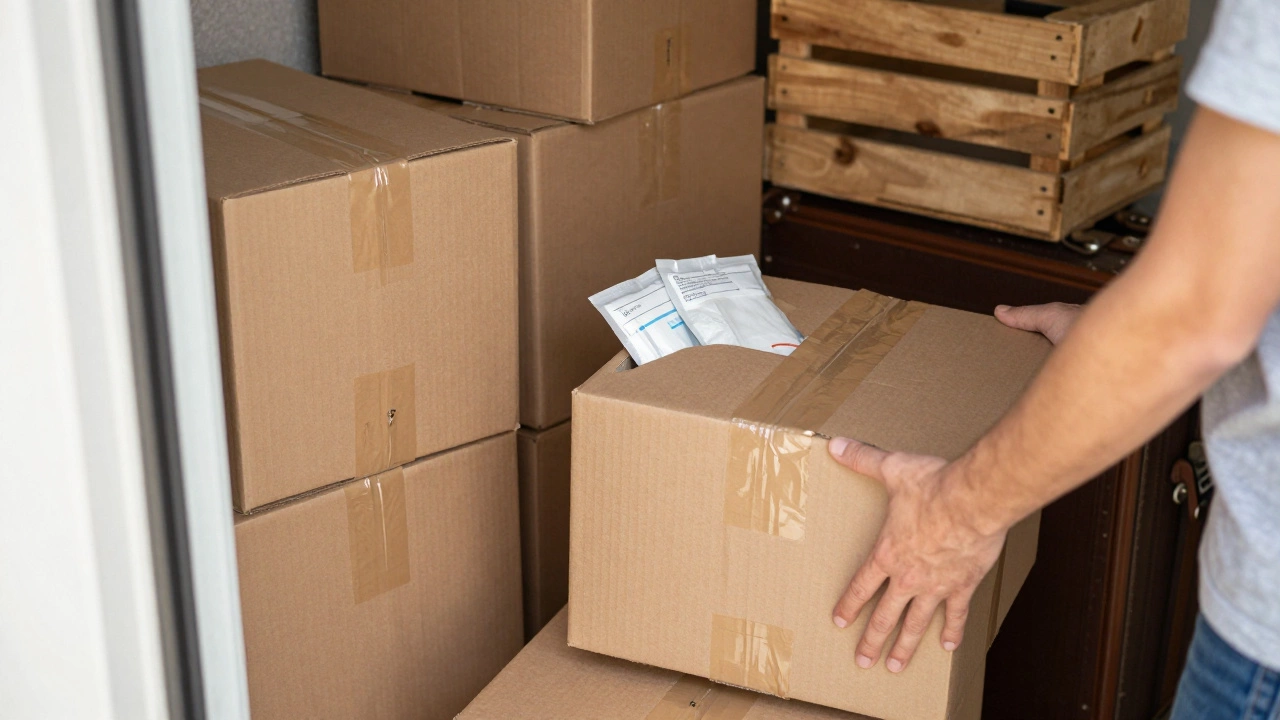
A 5x5 storage unit in Auckland costs about $45 a month. That’s $540 a year. For that price, you could buy a whole set of heavy-duty plastic bins, a shelving unit, and still have money left over.
And here’s the catch: you have to drive there. You have to schedule time. You have to dig through boxes in a cold, fluorescent-lit space. If you need something once a year, like Christmas lights, you’re paying $45 to get 10 minutes of access.
Storage units are fine for people moving houses or running businesses. But for most families? It’s a habit, not a solution. The cheapest storage is the kind you can reach without getting dressed.
What not to buy
Don’t waste money on these:
- Plastic storage bins with locks - unless you’re storing valuables, a simple lid is enough. Locks add $10-$20 per bin.
- Modular closet systems - IKEA’s PAX or similar setups cost $300-$800. You can replicate the function with a $50 shelving unit and fabric bins.
- Decorative storage baskets - if it costs more than $15 and doesn’t hold more than 10 pounds, it’s not storage. It’s decor.
- Smart storage gadgets - apps that track your bins, sensors that tell you when you’re out of space - these don’t fix clutter. They just add another thing to manage.
Storage isn’t about tech. It’s about space, access, and simplicity.
The real cost of storage
Most people only look at the price tag. But storage has hidden costs:
- Time cost - searching for a box in a storage unit takes 15 minutes. Finding it under your bed takes 15 seconds.
- Stress cost - clutter increases cortisol levels. A 2024 University of Auckland study showed people with visible clutter in their living areas reported 37% higher daily stress.
- Replacement cost - if you forget you have something in storage, you buy it again. The average household spends $180 a year replacing items they already owned but couldn’t find.
The cheapest storage method doesn’t just save money. It saves your time, your peace, and your wallet from repeated mistakes.

Start today: 3 steps to cheaper storage
- Take everything out. Pull every item from your closet, under the sink, or in the garage. Lay it all on the floor. See what you have. You’ll be shocked.
- Sort into three piles: Keep, Donate, Toss. If you haven’t used it in 12 months, donate it. If it’s broken or useless, toss it. You’ll free up 30-50% of your space immediately.
- Use what you have. Grab old boxes, bins, or furniture. Label everything. Put frequently used items at eye level. Store rarely used stuff up high or under the bed.
Do this over one weekend. You won’t need to spend a cent. And you’ll have more space than you did before.
What works best for different needs
Not everyone stores the same things. Here’s the cheapest way to store common items:
| Item Type | Cheapest Method | Estimated Cost |
|---|---|---|
| Seasonal clothing | Under-bed bins (reused suitcases) | $0 |
| Holiday decorations | Cardboard boxes on top of cabinets | $0 (free boxes) |
| Tools and hardware | Old tool chest or plastic crate on shelf | $5 (if you need a crate) |
| Baby items | Drawers in dresser with labeled bins | $0 |
| Books | Shelves you already own | $0 |
| Bedding | Under-bed storage or ottoman bench | $0-$15 |
The pattern? The cheapest storage is always something you already own - repurposed, reused, or rearranged.
Final tip: Storage is a habit, not a purchase
People think they need to buy their way out of clutter. But the real solution is simple: put things back where they belong. Every time you take something out, put it back in the same spot. Label it. Don’t let it wander.
One woman in Wellington told me she stopped buying storage bins after she started using a single labeled shoebox for each type of cable. She had 12 cables. 12 boxes. No more tangles. No more frustration. And she saved $180.
Storage doesn’t need to be expensive. It just needs to be consistent.
Is cardboard storage safe for long-term use?
Yes, if kept dry. Cardboard lasts for years in cool, dry places like under beds, in garages with good airflow, or on high shelves. Avoid basements or bathrooms unless you use silica gel packs and keep boxes off the floor. Moisture is the only real enemy.
What’s cheaper: plastic bins or cardboard boxes?
Cardboard is cheaper - if you get it for free. Plastic bins cost $5-$15 each new. Cardboard boxes from stores cost $0. Even if you buy plastic bins, they’re only worth it if you need waterproofing or stacking strength. For most home storage, cardboard is fine.
Should I buy storage bins from IKEA or similar stores?
Only if you’ve tried using what you already have and still need more space. IKEA bins are durable, but they’re not cheap. You can get the same function with secondhand crates, fabric bins from thrift stores, or even repurposed laundry baskets. Spend your money on labels and time, not branded bins.
Is renting a storage unit ever the cheapest option?
Only if you’re moving, downsizing, or running a small business. For regular household items, it’s almost never the cheapest. A $45/month unit costs $540 a year. That’s enough to buy 30 heavy-duty plastic bins, a shelving unit, and still have cash left. Plus, you get instant access.
How do I stop buying storage I don’t need?
Ask yourself: "Do I need more space, or do I need to use less stuff?" Most people buy storage because they have too many things, not because they have no space. Try the 12-month rule: if you haven’t used it in a year, donate it. Then reassess. You’ll be surprised how much space you already have.