Home Storage Chaos Calculator
Answer these quick questions to diagnose your storage issues and receive tailored fixes from our guide.
1. The Entryway Test
How do you handle shoes and jackets when you walk in?
2. The Closet Capacity
What happens when you open your main closet?
3. Kitchen Counter Clutter
How much of your counter is covered by appliances/items?
4. Seasonal Items
Where are your holiday/winter gear stored?
5. Vertical Space Usage
Do you use wall space above waist level?
6. Digital Cable Mess
How organized are your charging cables?
Your Storage Score: 0/18
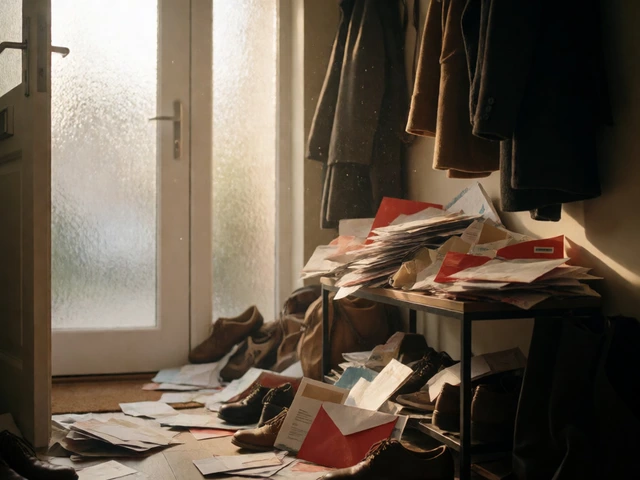
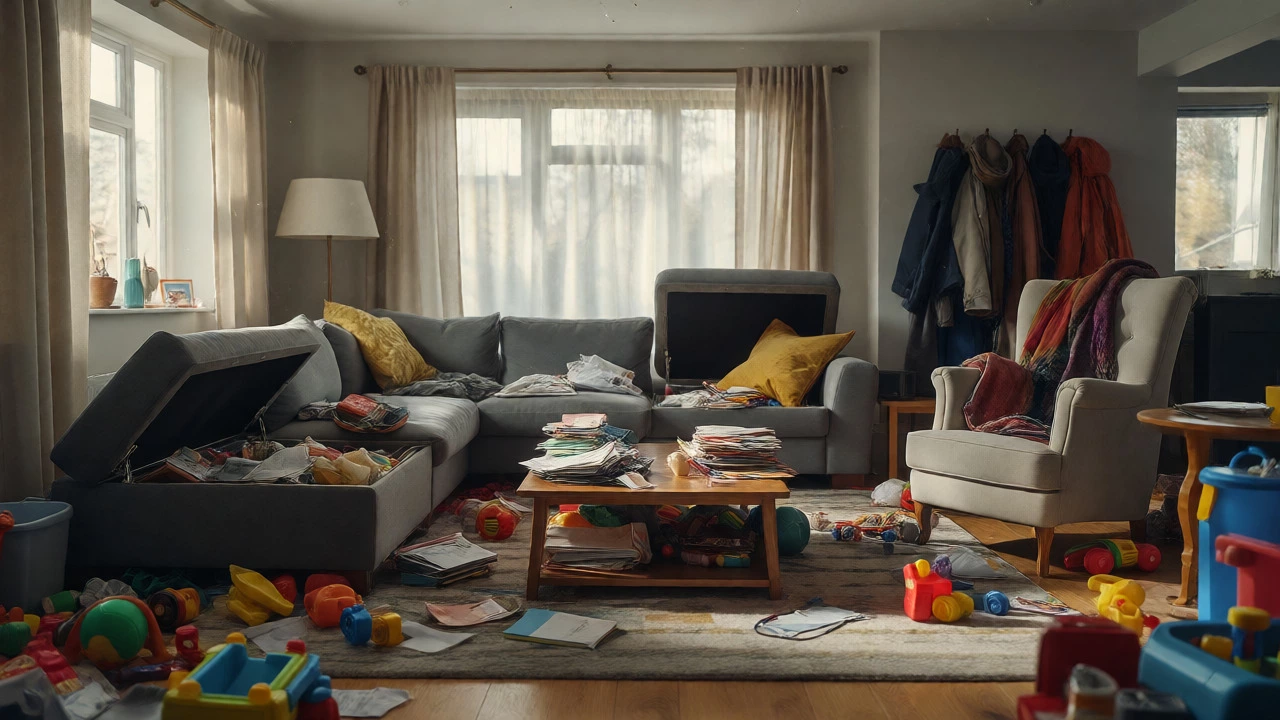
You walk into your living room, ready to relax, but instead of peace, you’re greeted by a pile of mail on the coffee table, toys scattered across the rug, and that one chair in the corner that has become a permanent coat rack. Sound familiar? You aren’t alone. Home storage is rarely just about buying more bins; it’s about solving specific behavioral and spatial problems that cause chaos. Most people think they need more shelves, but the real issue is often poor planning or mismatched systems. Let’s break down the actual headaches people face with storing things at home and how to tackle them without turning your house into a warehouse.
The Illusion of More Space
Here’s a hard truth: adding more furniture doesn’t always fix clutter. In fact, it often makes it worse. This is what experts call the "Parkinson’s Law" of stuff-work (or in this case, accumulation) expands to fill the time (or space) available. If you buy a massive sectional sofa with hidden storage underneath, you might feel compelled to fill it. Suddenly, that hidden compartment becomes a black hole for junk you haven’t seen in three years.
The problem isn’t the lack of square footage; it’s the lack of designated homes for items. When every object doesn’t have a specific place to return to, it ends up wherever there’s empty surface area. Countertops, dining tables, and floor space become default drop zones. To fix this, stop looking for new places to put things. Instead, audit what you already own. If you can’t name where an item belongs, you probably don’t need it, or you need to group it with similar items before assigning it a spot.
Vertical Space Neglect
Most homes are designed with horizontal thinking. We stack things side-by-side until we run out of wall-to-wall width. But look up. The average ceiling height in modern homes is eight to nine feet, yet most storage stops at waist or chest level. Ignoring vertical space is a massive missed opportunity, especially in smaller apartments or narrow hallways.
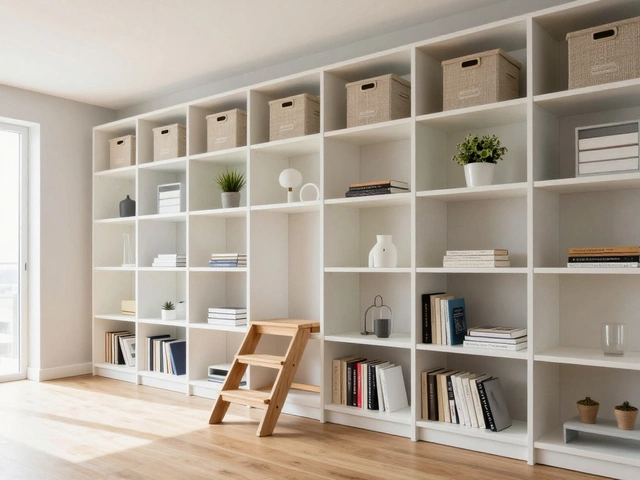
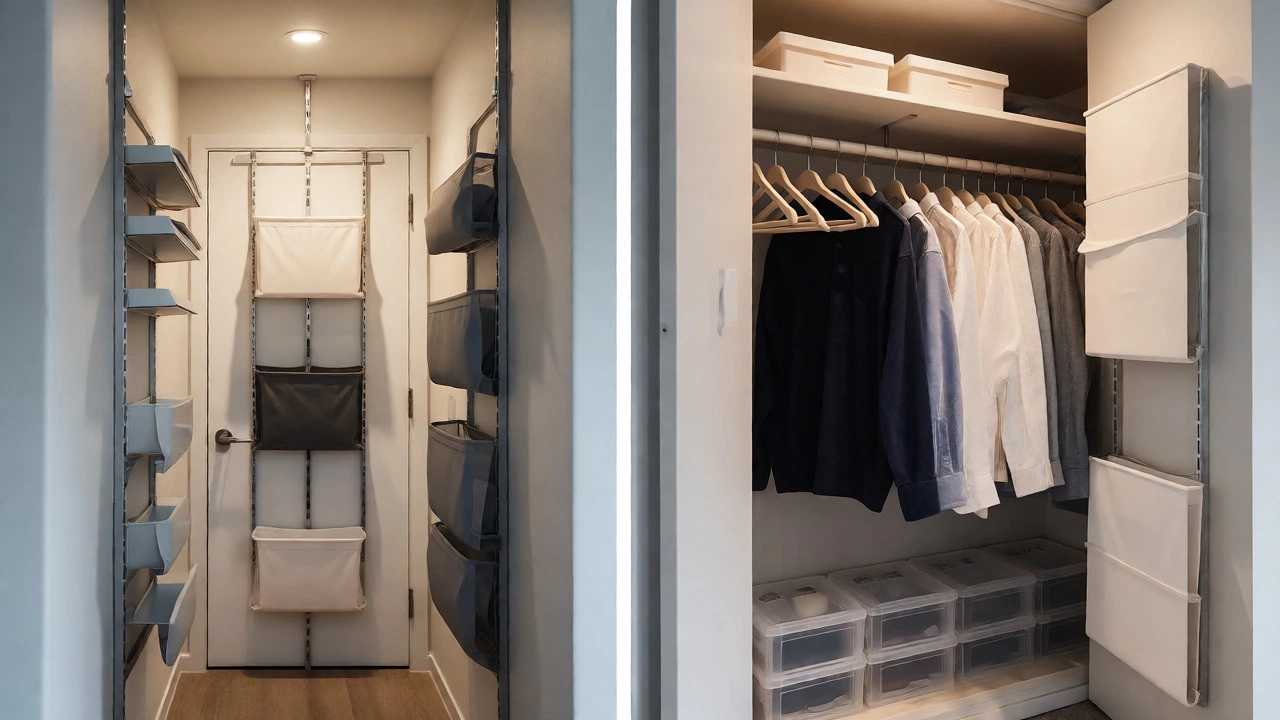
Wall-mounted shelving is a storage solution that utilizes vertical wall area to free up floor space. It’s not just about aesthetics; it’s about ergonomics. Storing heavy items high up can be dangerous, but light items like books, decorative boxes, or seasonal decor belong above eye level. Conversely, under-utilized spaces like the back of doors, the sides of cabinets, and the areas above toilets are prime real estate for slim organizers. Installing tension rods inside cupboards or over-the-door hooks costs pennies compared to building new cabinetry but solves immediate overflow issues.
The Closet Capacity Crisis
Closets are notorious trouble spots. They start organized, then slowly degrade into a jumbled mess of hangers, forgotten shoes, and clothes that no longer fit. Why? Because standard closet designs rarely account for personal habits. A deep shelf might hold folded sweaters, but digging for the bottom one creates a avalanche effect. A single hanging rod wastes half the vertical height if you only hang short items like shirts.
The core problem here is inefficiency in layout. Double-hanging rods can double capacity for short garments. Using uniform velvet hangers saves inches per row compared to bulky plastic ones. And let’s talk about the floor. Shoe racks often sit unused because they’re too small or ugly. Switching to clear stackable boxes or installing a slanted shoe organizer on the door clears the floor instantly. Remember, if you have to move five items to get to one, your system is broken.
Kitchen Counter Clutter
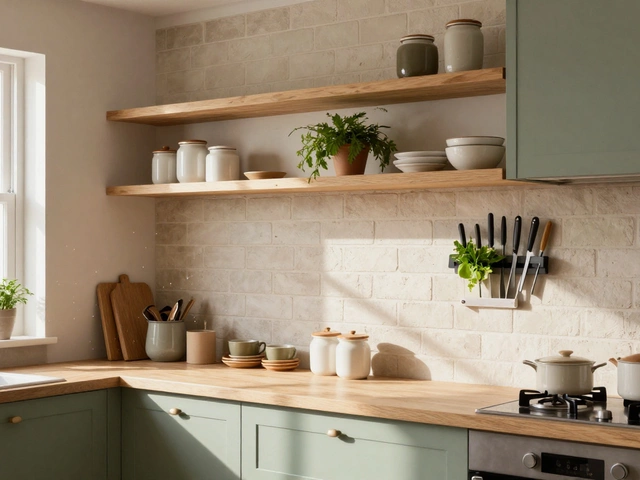
The kitchen counter is the busiest surface in the home, which makes it the easiest place for clutter to accumulate. Appliances like blenders, toaster ovens, and stand mixers are great tools, but they are also bulky visual noise. If you use them weekly, keep them out. If you use them monthly, they should live in a cabinet or pantry.
A common mistake is leaving everything out "for convenience." But convenience comes from organization, not proximity. Use tiered stands inside cabinets to see cans and jars without moving the front row. Install pull-out drawers in base cabinets so you don’t have to kneel down and rummage through dark corners. For countertop items, limit yourself to three categories: daily-use appliances, food prep tools, and maybe one decorative item. Everything else needs a home elsewhere. If your counters are covered, you can’t cook efficiently, which defeats the purpose of having a kitchen.
Seasonal Item Mismanagement
Holiday decorations, winter coats, camping gear, and sports equipment create cyclical storage nightmares. These items are bulky, oddly shaped, and used infrequently. Tossing them in the attic or basement often leads to moisture damage, pests, or total loss of inventory. You end up buying replacements because you couldn’t find the original string lights or snow boots.
The solution is dedicated seasonal storage zones. Label bins clearly-not just "Winter," but "Winter Coats & Scarves." Use vacuum-seal bags for bulky bedding and comforters to reduce volume by up to 75%. Keep these bins off the concrete floor in basements to prevent water damage; place them on wooden pallets or metal shelving. Rotate items annually. If you didn’t use the camping tent last summer, do you really need it next year? Be honest. Selling or donating unused seasonal gear frees up valuable square footage for things you actually touch.
| Storage Area | Common Problem | Quick Fix |
|---|---|---|
| Entryway | Shoe and jacket pile-up | Install hooks and a bench with cubbies |
| Kitchen Pantry | Items lost in back of shelves | Add lazy Susans and clear bins |
| Bathroom | Toiletries overflowing vanity | Use medicine cabinet organizers and under-sink risers |
| Bedroom | Nightstand clutter | Switch to floating nightstands or add drawer dividers |
| Garage | Tools buried under cars | Mount pegboard walls for tool visibility |
The Digital-Physical Hybrid Mess
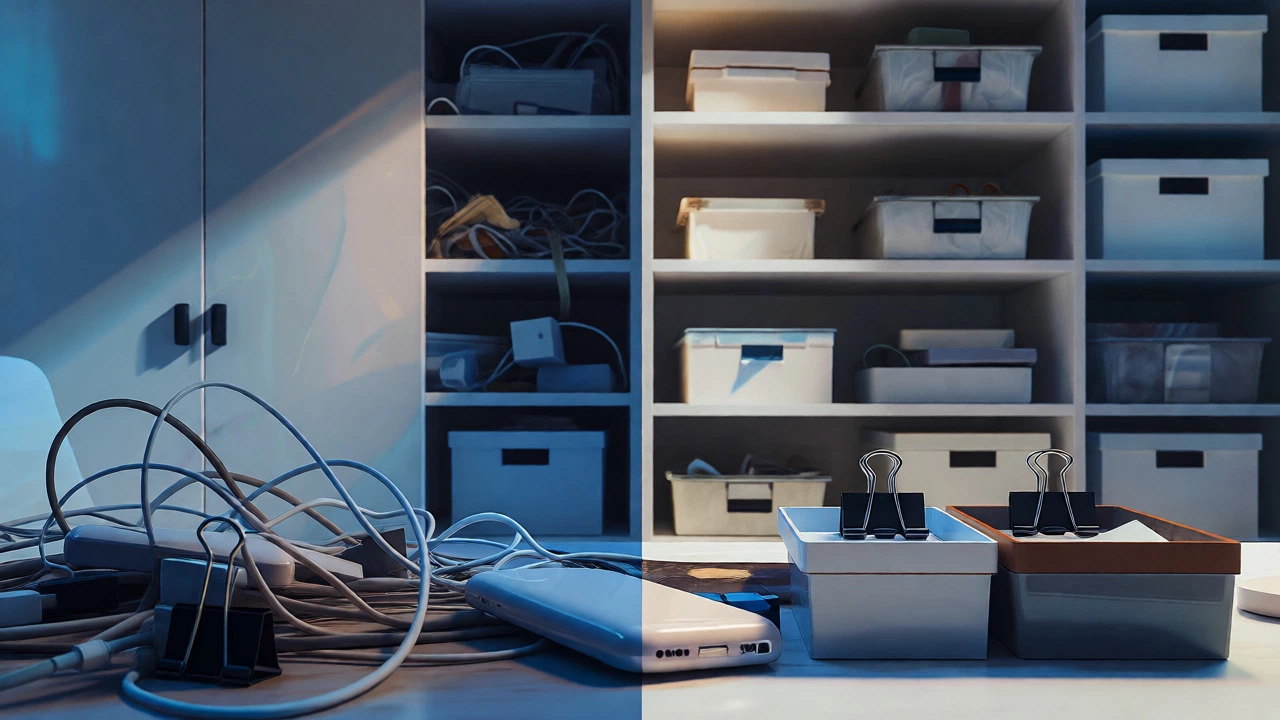
We tend to forget that digital clutter impacts physical storage. Charging cables, power banks, old phones, and gaming controllers create a tangled web behind TVs and desks. This isn’t just annoying; it’s a fire hazard and a source of stress. People often shove cables into random drawers, making it impossible to find the right charger when needed.
Create a centralized charging station. Use binder clips attached to the edge of a desk to hold cables in place. Buy a small box with compartments specifically for batteries and adapters. Label each cable with masking tape if you have multiple similar-looking ones. By treating tech accessories as physical objects that need organization, you eliminate the "cable anxiety" that plagues many households.
Mental Load and Decision Fatigue
Storage isn’t just physical; it’s psychological. Every disorganized item represents a micro-decision you have to make later: "Where do I put this?" or "Do I need this?" Over time, this mental load causes procrastination. You avoid cleaning because the task feels overwhelming. Breaking big storage projects into tiny, manageable tasks helps. Don’t try to organize the whole garage on Saturday. Spend ten minutes sorting one bin. Success breeds momentum.
Also, consider the aesthetic impact. Visible clutter increases cortisol levels, according to studies on environmental psychology. Closed storage hides chaos, while open storage requires discipline. If you struggle to maintain tidiness, opt for closed cabinets and opaque bins. If you enjoy curating displays, open shelving works, but only if you commit to regular editing. Choose the system that matches your personality, not just the one that looks good on Instagram.
FAQ
How do I know if I have too much stuff?
If you regularly move items from one surface to another to access something else, or if you haven’t touched an item in over a year, you likely have excess belongings. A simple test is to close all your closet doors and cabinet doors. If they won’t shut easily, you have too much stuff.
What is the best way to store seasonal clothes?
Vacuum seal bags are excellent for reducing bulk, but ensure clothes are clean and dry before sealing to prevent mold. Store these bags in under-bed storage containers or high shelves in closets. For delicate fabrics like wool, use breathable cotton garment bags instead of plastic to allow air circulation.
How can I maximize storage in a small bathroom?
Utilize vertical space with tall, narrow shelving units or recessed niches in shower walls. Install over-the-toilet shelving for towels and toiletries. Use the inside of cabinet doors for mounting hooks or small baskets. Replace bulky bottles with travel-sized dispensers if you prefer minimalism, or use clear acrylic organizers on countertops to keep products visible but contained.
Is open shelving better than closed cabinets?
It depends on your habits. Open shelving makes items accessible and serves as decor, but it requires constant tidying and dusting. Closed cabinets hide clutter and protect items from dust and grease, making them ideal for kitchens and bathrooms. Many designers recommend a hybrid approach: open shelves for frequently used or beautiful items, and closed cabinets for everyday essentials and unsightly stock.
How do I keep my entryway organized?
Create a "drop zone" near the door. Include a hook rail for keys and bags, a bench for putting on shoes, and a basket for mail. Limit the number of shoes allowed in the entryway to those worn that day. If you have kids, assign each family member a specific hook or cubby to encourage accountability.